
Boiler Repair vs. Replace Estimator
Enter your details below to determine if you should fix the current unit or invest in a new one.
You wake up to a cold house. The shower is lukewarm at best, and the radiators are stone cold. Panic sets in because you know boiler repair isn't cheap, and you have no idea if it's a $150 fix or a $3,000 replacement. Here’s the truth: most common boiler faults fall into three distinct price brackets, and knowing which bracket your issue sits in can save you from overpaying for unnecessary parts.
As someone who has dealt with more than their fair share of heating emergencies in Adelaide, I’ve learned that the sticker price on an invoice rarely tells the whole story. Labor rates vary by region, parts availability changes weekly, and some "repairs" are just band-aids on a dying unit. This guide breaks down exactly what you should expect to pay for different types of fixes, when to walk away from a repair quote, and how to spot a rip-off before the technician even unpacks his toolbox.
The Three Price Tiers of Boiler Repairs
Most homeowners treat boiler repairs as a single category, but they’re wildly different in scope and cost. Think of them like car repairs: a flat tire is cheap, a transmission rebuild is expensive, and buying a new engine is its own project.
Tier 1: Minor Fixes ($150-$300)
This is the sweet spot. It usually involves resetting the system, cleaning a component, or replacing a small, inexpensive part. Common issues here include low water pressure (often just a top-up), a faulty thermostat sensor, or a blocked condensate pipe. If a tech charges you $400 to clean a filter, question it. These jobs take under an hour. In Australia, standard hourly labor rates for qualified gas fitters range from $80 to $120 per hour, plus GST. A minor fix should reflect that reality.
Tier 2: Component Replacement ($300-$800)
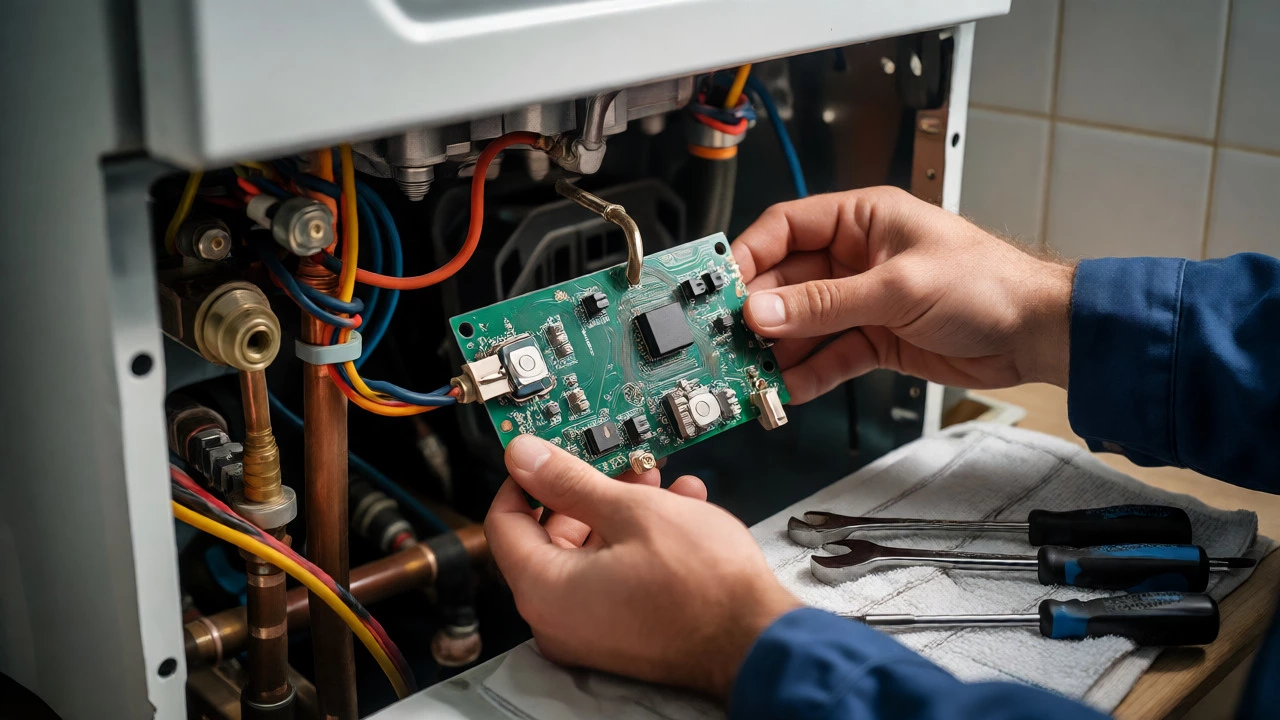
When a specific part fails-like the diverter valve, pump, or printed circuit board (PCB)-costs jump. Why? Because these parts aren’t always off-the-shelf. A PCB for a modern combi boiler can cost $200-$400 alone. Add two hours of labor, diagnostic fees, and call-out charges, and you’re looking at $500+. Is it worth it? Only if the rest of the boiler is healthy. If your unit is 15 years old, spending $600 on a pump might be throwing good money after bad.
Tier 3: Major System Failures ($800+)
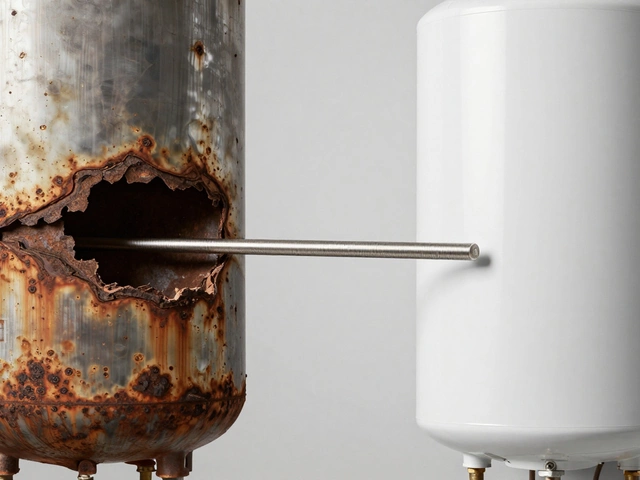
This tier includes heat exchanger cracks, severe corrosion, or complex flue issues. Sometimes, the problem isn’t one part but systemic wear. If a quote exceeds $800, compare it against the cost of a new installation. Often, paying $900 for a major repair on an old boiler is less smart than putting that money toward a deposit on a new, energy-efficient model.
What Drives the Cost Up?
Not all quotes are created equal. Several factors influence the final bill, and understanding them helps you negotiate better.
- Brand and Model: Premium brands like Vaillant or Worcester Bosch often have higher part costs due to proprietary technology. Generic or older models might use cheaper, universal parts, but finding them can take longer, increasing labor time.
- Age of the Boiler: Older units lack spare parts support. Manufacturers typically guarantee parts for 7-10 years. After that, sourcing components becomes a scavenger hunt, driving up both part prices and labor hours.
- Time of Call: Emergency call-outs outside business hours (nights, weekends, public holidays) incur surcharges. Expect to pay 50-100% more for weekend work. If your heating dies on a Friday night, wait until Monday morning unless it’s a safety hazard.
- Location: Living in rural areas or hard-to-reach urban locations increases travel time. Some companies charge a flat call-out fee ($80-$150) regardless of distance, while others calculate based on kilometers. Always ask upfront.
Repair vs. Replace: The Break-Even Point
Here’s a rule of thumb used by industry pros: if the repair cost exceeds 50% of the price of a new boiler, replace it. But there’s nuance. A new mid-range combi boiler costs between $2,500 and $4,500 installed. So, if your repair quote is $1,500+, you’re already halfway to a new unit.
Consider efficiency too. Old boilers operate at 60-70% efficiency. New condensing models hit 90%+. Over five years, the energy savings could offset part of the replacement cost. Plus, new boilers come with warranties (usually 5-10 years), whereas repaired old ones offer no guarantees beyond the part itself.
| Scenario | Estimated Repair Cost | Recommended Action |
|---|---|---|
| Boiler under 5 years old | $200 - $600 | Repair. Likely covered by warranty. |
| Boiler 5-10 years old | $300 - $800 | Repair if efficient; replace if inefficient. |
| Boiler over 10 years old | $600+ | Replace. Parts scarce, efficiency low. |
| Heat Exchanger Failure | $800 - $1,200 | Replace. High risk of future failures. |
Hidden Fees and How to Avoid Them
Invoices can surprise you. Watch out for these common add-ons:
- Diagnostic Fee: Many companies charge $50-$100 just to show up and look. If you proceed with the repair, this fee is often waived. If not, you pay it. Ask if the fee is credited against the job.
- Gas Safety Check: Legally required annually in many places, including Australia. Technicians may bundle this into a repair visit. Ensure it’s listed separately so you know what you’re paying for.
- Part Markups: Some firms mark up parts by 30-50%. You can sometimes buy the part yourself online and have the tech install it, though many refuse to honor warranties on customer-supplied parts.

DIY Checks That Save Money
Before calling a pro, try these safe checks. They might solve the problem for free.
- Check Pressure: Look at the gauge. Ideal is 1-1.5 bar. If it’s below 1, top it up using the filling loop. This takes two minutes and solves many "no heat" issues.
- Reset the Boiler: Turn it off, wait 30 seconds, turn it back on. Software glitches happen. Don’t skip this step.
- Inspect Thermostat Settings: Ensure it’s set above room temperature. Batteries die silently. Replace them if it’s wireless.
- Clear Condensate Pipe: If the boiler shuts down in freezing weather, the external drain pipe might be frozen. Pour warm (not boiling) water over it.
Finding a Reliable Technician
Cheapest isn’t always best. A shady operator might fix the symptom but miss the cause, leading to repeat calls. Look for these signs of quality:
- Licensed Gas Fitter: In Australia, only licensed professionals can touch gas appliances. Verify their license number.
- Transparent Quotes: They provide a written estimate before starting work. No "we’ll see when we get there" surprises.
- Reviews: Check local forums or Google reviews. Look for comments about punctuality and cleanliness.
Remember, boiler maintenance prevents costly repairs. An annual service costs $150-$250 and keeps the system running efficiently. Skipping it to save money often leads to bigger bills later.
How much does a standard boiler service cost?
A standard annual service typically costs between $150 and $250. This includes checking safety components, cleaning key parts, and ensuring efficient operation. Regular servicing can prevent major breakdowns and maintain warranty validity.
Is it worth repairing a 15-year-old boiler?
Generally, no. At 15 years, parts become scarce and expensive, and efficiency drops significantly. If a repair quote exceeds $500, consider replacing the unit instead. New boilers offer better energy savings and longer warranties.
What causes high boiler repair costs?
High costs usually stem from rare parts, complex labor requirements, or emergency call-out fees. Brands with proprietary components also drive up prices. Additionally, if the issue requires draining the entire system or accessing hard-to-reach pipes, labor hours increase.
Can I do any boiler repairs myself?
You can safely check pressure levels, reset the system, and clear blockages in accessible pipes. However, opening the boiler casing or working on gas lines requires a licensed professional. DIY attempts on internal components can void warranties and create safety hazards.
Do emergency boiler repairs cost more?
Yes, emergency services outside regular hours often incur a surcharge of 50% to 100%. Call-out fees alone can reach $150-$200 during nights or weekends. Unless it’s a total heating failure in winter, waiting for a weekday appointment saves significant money.