Boiler Maintenance Tracker & Cost Estimator
Maintenance Checklist
0% Complete-
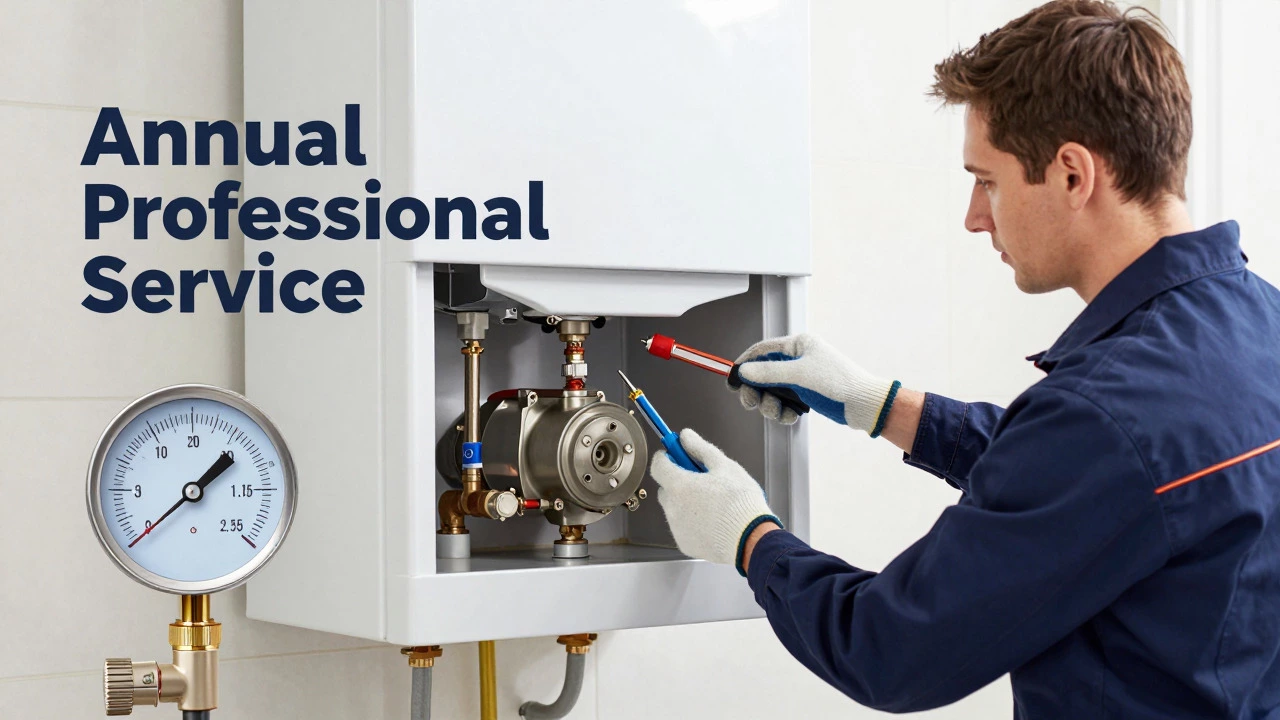
Annual Professional Service Licensed ProEvery 12 Months • $150 - $250 AUD
-
Pressure Check DIYMonthly • Free / 5 Minutes
-
Bleeding Radiators DIYAnnually (Pre-Winter) • Free / 30 Minutes
-
Visual Leak Inspection DIYQuarterly • Free / 5 Minutes
-
Filter Cleaning Pro RecommendedEvery 2-3 Years • $100 - $200 AUD
-
Power Flush (If Needed) As RequiredOlder Units (>5 yrs) • $300 - $500 AUD
Estimated Annual Cost
Based on selected tasks
Imagine coming home on a freezing winter evening, turning the dial, and hearing nothing but silence. No warm water for a shower, no heat in the living room, and a cold chill seeping through the windows. It’s a nightmare scenario that thousands of homeowners face every year, usually because they ignored a simple annual check-up. Boiler maintenance isn’t just about keeping the temperature up; it’s about preventing costly breakdowns, avoiding dangerous gas leaks, and ensuring your wallet doesn’t bleed from inefficient energy use.
In Adelaide, where winters can be surprisingly crisp and heating demand spikes quickly, having a reliable heating system is non-negotiable. Whether you have an older gas-fired unit or a modern combi-system, neglecting routine care is like driving a car without changing the oil. Eventually, something breaks, and the repair bill will dwarf the cost of a standard service. So, what exactly does your boiler need to stay running smoothly? Let’s break down the essential tasks, from DIY checks to professional servicing.
The Annual Professional Service: Non-Negotiable
The single most important task on any homeowner's list is scheduling an annual professional service. This isn't a suggestion; it's a requirement for safety and warranty validity. A qualified technician performs a comprehensive inspection that goes far beyond just wiping down the casing. They check for carbon monoxide leaks, test the pressure of the system, and ensure the combustion process is clean and efficient.
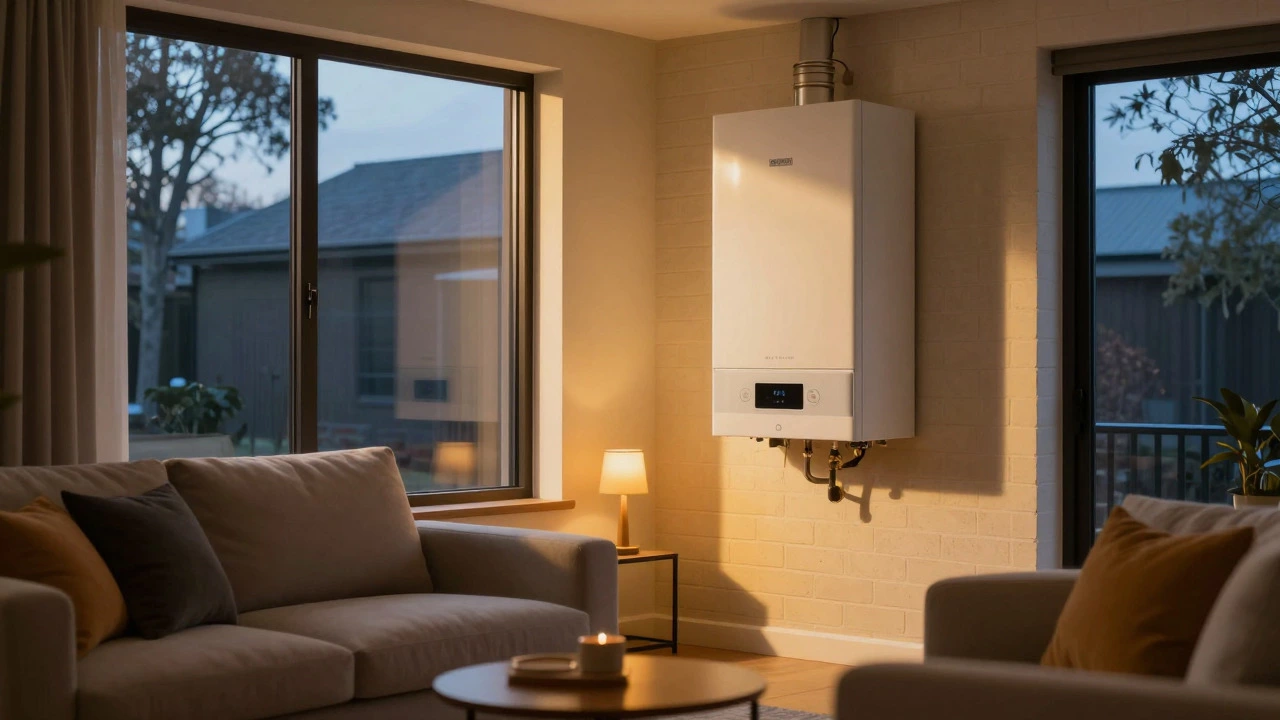
Gas Boilers are complex heating appliances that burn natural gas or LPG to generate hot water and central heating, requiring strict safety protocols due to combustion risks. In Australia, these units must be serviced by licensed professionals who adhere to local gas fitting standards.During this visit, the engineer will inspect the flue to ensure exhaust gases are escaping safely outside. They’ll also clean the burner and heat exchanger, removing soot and debris that can block airflow. If you skip this step, soot buildup can cause the boiler to overheat or produce carbon monoxide-a silent, deadly gas. For peace of mind alone, this $150-$250 investment pays for itself.
Checking the Pressure Gauge: The First Line of Defense
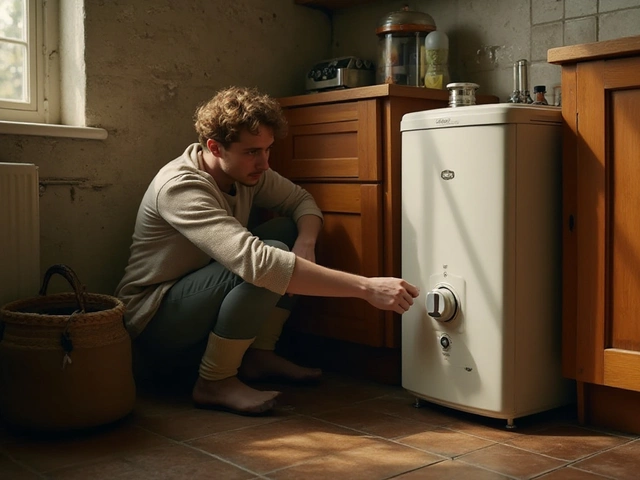
You don’t need to be a plumber to perform one of the most critical daily checks: monitoring the pressure gauge. Most modern boilers come with a small dial, usually located at the bottom of the unit. This gauge tells you how much water is inside your closed-loop heating system. The ideal pressure typically sits between 1 and 1.5 bar when the system is cold.
If the needle drops below 1 bar, your boiler might lock out as a safety precaution, meaning no heat or hot water. This drop often indicates a leak somewhere in your radiators or pipework. Conversely, if the pressure creeps above 2 bar, the pressure relief valve may kick in, wasting water and potentially causing damage. You can often fix low pressure yourself by locating the filling loop-a flexible hose connecting the mains water supply to the central heating-and opening the valves until the gauge reads correctly. Just remember to close them tightly afterward.
Bleeding Radiators: Fixing Cold Spots
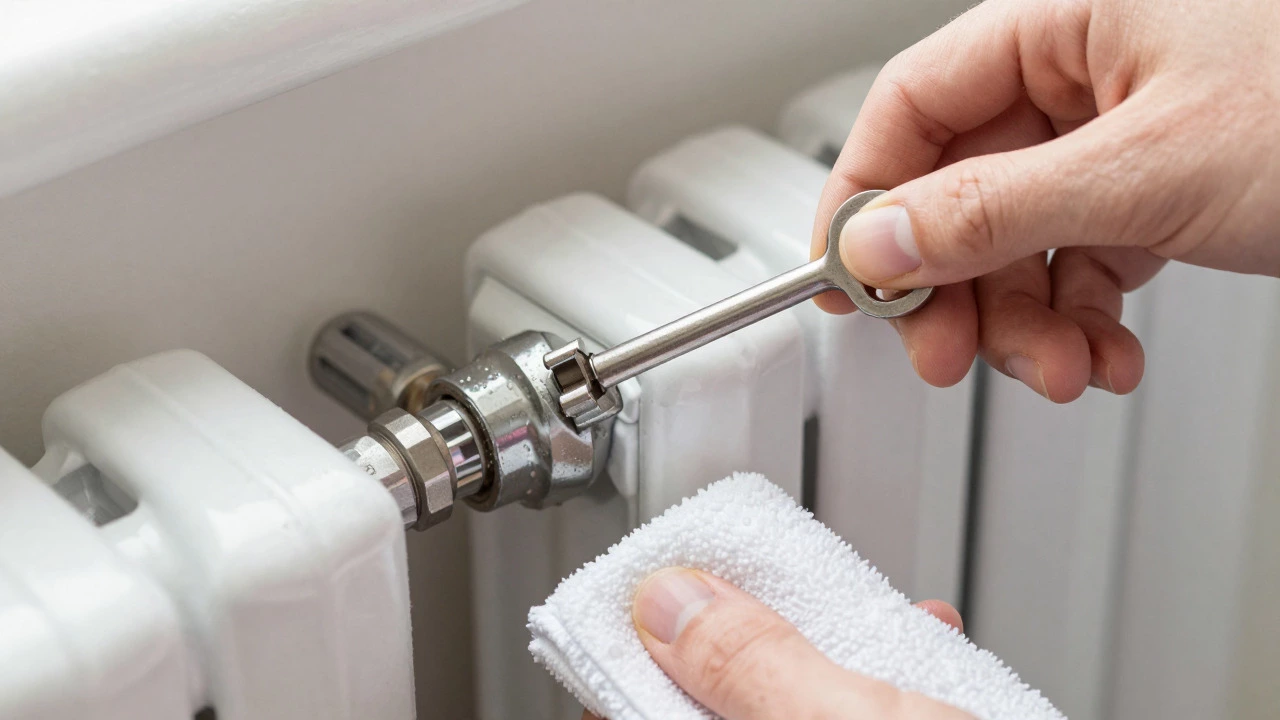
Have you ever noticed that some radiators feel cold at the top but hot at the bottom? That’s trapped air, commonly known as sludge or airlocks, preventing hot water from circulating properly. This inefficiency forces your boiler to work harder, burning more gas to achieve the desired temperature. Bleeding radiators is a simple DIY task that takes minutes but can significantly improve your home’s warmth.
- Turn off your boiler and let the system cool down completely to avoid scalding.
- Place a towel under the radiator valve (usually found at the side) to catch any drips.
- Insert a radiator key or flathead screwdriver into the bleed valve.
- Turn the valve counter-clockwise slowly. You’ll hear a hissing sound as air escapes.
- Once water starts to drip steadily, tighten the valve back up clockwise.
- Check your boiler pressure again, as bleeding releases water from the system, which may require repressurizing.
Doing this once a year, ideally before winter hits, ensures even heat distribution across all rooms. It’s a small effort that yields immediate comfort improvements.
Inspecting for Leaks and Unusual Noises
Your ears and eyes are powerful diagnostic tools. Pay attention to how your boiler behaves during operation. A healthy boiler hums quietly. If you hear banging, gurgling, or whistling noises, it’s time to investigate. Banging often signals kettling-limescale buildup on the heat exchanger causing steam bubbles to burst. Gurgling suggests air pockets or low pressure. Whistling might indicate a failing pump or restricted airflow.
Visually, check around the base of the boiler and along visible pipes for damp patches or puddles. Even a slow drip can lead to significant water damage over time. Look at the condensate pipe (common in condensing boilers) to ensure it hasn’t frozen or blocked, especially during colder months in Adelaide. A blocked condensate pipe will trigger a fault code and shut down the system. Pouring warm water over the pipe can sometimes clear minor blockages, but persistent issues need professional attention.
Maintaining the Condensate Trap and Flue
For condensing boilers, which make up the majority of modern installations, the condensate trap is vital. These boilers extract extra heat from exhaust gases, creating acidic water (condensate) that drains away. If the trap dries out or gets blocked, the boiler won’t fire. Ensure the external drain point is clear of leaves, dirt, or ice. While you shouldn’t tamper with the internal flue, you should visually inspect the exterior termination point to make sure birds haven’t nested there or that debris hasn’t obstructed the flow.
| Task | Frequency | Who Should Do It? | Estimated Cost/Effort |
|---|---|---|---|
| Annual Professional Service | Every 12 Months | Licensed Gas Engineer | $150 - $250 AUD |
| Pressure Check | Monthly | Homeowner | Free / 5 Minutes |
| Bleeding Radiators | Annually (Pre-Winter) | Homeowner | Free / 30 Minutes |
| Visual Leak Inspection | Quarterly | Homeowner | Free / 5 Minutes |
| Filter Cleaning (System Fills) | Every 2-3 Years | Professional | $100 - $200 AUD |
Power Flushing and Magnetic Filters
If your boiler is older than five years, consider asking your engineer about a power flush. Over time, rust and sludge accumulate in the pipes and radiators. A power flush uses high-flow equipment to blast this debris out, restoring efficiency and extending the lifespan of the pump and heat exchanger. It’s more expensive-often $300-$500-but it can save you from replacing major components later.
Additionally, many modern systems include a magnetic filter (like a MagnaClean). This device traps iron oxide particles before they circulate. During your annual service, ask the technician to remove and clean this filter. It’s a quick job that prevents long-term corrosion and keeps the water flowing freely.
Understanding Fault Codes
Modern boilers communicate errors via digital displays or flashing lights. Instead of ignoring a blinking red light, take note of the code. Common codes like E1, F29, or 149 vary by manufacturer (e.g., Worcester Bosch, Vaillant, Baxi), but they generally point to specific issues like loss of flame, overheating, or pressure faults. Keep your user manual handy or search online for your model’s code guide. Knowing the code helps the engineer diagnose the problem faster when they arrive, potentially saving you a call-out fee.
When to Call for Boiler Repair vs. Maintenance
Maintenance is proactive; repair is reactive. If your boiler has suddenly stopped working, made a loud bang, or is leaking water profusely, you’re in repair territory. However, many "repairs" are actually symptoms of poor maintenance. A failed pump might just need lubrication or cleaning. A erratic thermostat could be a wiring issue uncovered during a service. By sticking to a rigorous maintenance schedule, you minimize emergency calls, which are often charged at premium rates.
In Adelaide, where summer temperatures soar, it’s tempting to ignore the heating system until autumn. But booking your service in spring or early summer means you get priority scheduling and avoid the winter rush. Plus, you’ll know your system is ready to go when the first cold front arrives.
How often should I service my boiler?
You should service your boiler at least once a year. This annual check ensures safety, maintains efficiency, and keeps warranties valid. For oil-fired boilers, some manufacturers recommend twice-yearly servicing due to higher soot production.
What happens if I don't maintain my boiler?
Neglecting maintenance leads to reduced efficiency (higher bills), increased risk of breakdowns, potential carbon monoxide leaks, and voided warranties. Small issues like minor leaks or pressure drops can escalate into catastrophic failures requiring full unit replacement.
Can I service my own boiler?
While you can perform basic checks like monitoring pressure and bleeding radiators, the core servicing of a gas boiler must be done by a licensed gas fitter. DIY servicing on gas appliances is dangerous and often illegal, as it requires specialized tools to test combustion and gas tightness.
Why is my boiler making a banging noise?
Banging noises usually indicate 'kettling,' caused by limescale or sludge buildup on the heat exchanger. As water heats up, steam bubbles form and burst against the scale, creating loud knocks. This requires a professional power flush or descaling treatment to resolve.
What is the normal pressure for a boiler?
The normal operating pressure for a residential boiler is between 1 and 1.5 bar when the system is cold. If it drops below 0.8 bar, the boiler may lock out. If it exceeds 2 bar, the pressure relief valve may open to prevent damage.
Does boiler maintenance really save money?
Yes. An inefficient boiler can waste up to 10% more fuel. Regular cleaning of burners and heat exchangers restores efficiency, lowering gas bills. Additionally, catching small issues early prevents expensive emergency repairs or premature unit replacements.