Professional Kitchen Method Matcher
Select the characteristics of the dish you are planning to cook. The tool will recommend whether a Pressure Cooker is suitable or if a Traditional Method (Sous Vide/Stovetop) is preferred by professional chefs.
Awaiting Input...
Select options on the left to get a recommendation.
You might think that since pressure cookers save time and energy, every serious chef would have one in their arsenal. But walk into a high-end restaurant kitchen, and you will rarely see a pressure cooker sitting on the line. It is not because chefs are stuck in the past or afraid of new technology. There are very specific, practical reasons why this appliance gets the cold shoulder in professional settings.
| Feature | Pressure Cooker | Traditional Method (Sous Vide/Stovetop) |
|---|---|---|
| Texture Control | High risk of overcooking/mushiness | Precise control over texture |
| Browning Ability | Limited (requires separate step) | Excellent Maillard reaction |
| Batch Size | Small to Medium | Scalable from small to large |
| Monitoring | Set and forget (less hands-on) | Active monitoring possible |
The Texture Problem Is Real
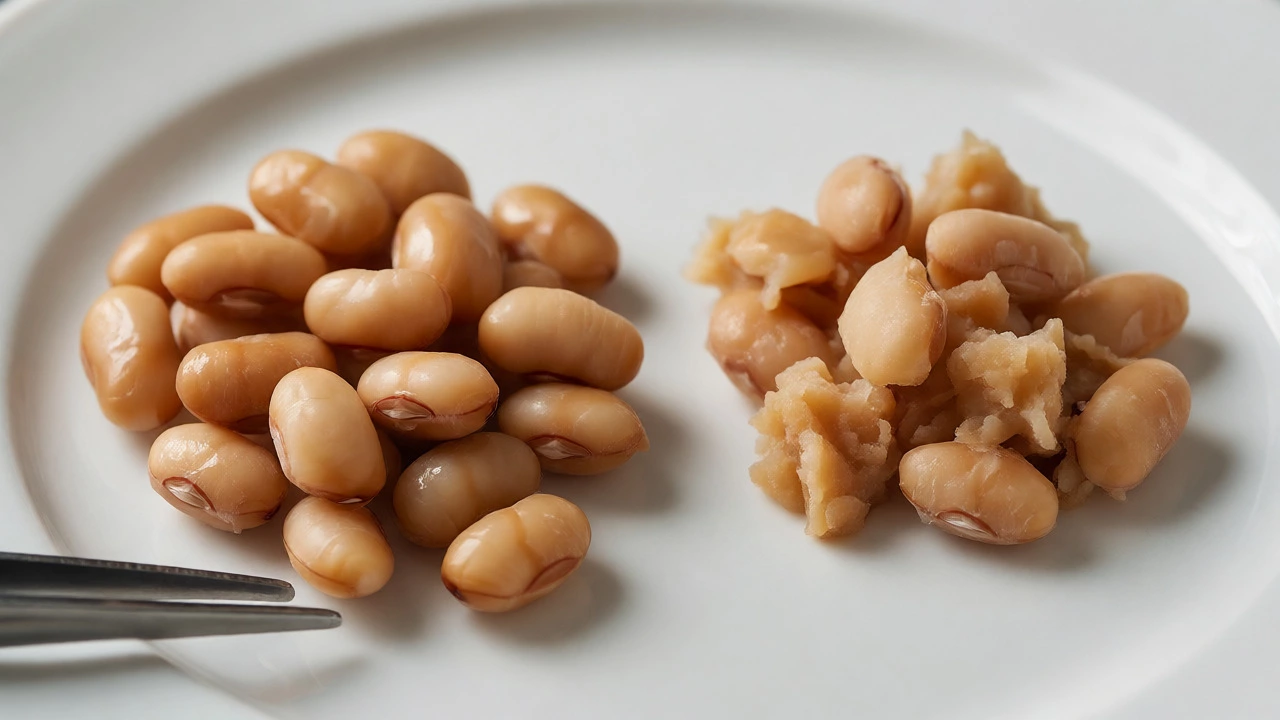
Let’s be honest about what happens inside a pressure cooker. The combination of high heat and steam creates an environment where fibers break down rapidly. This is great for making stock in forty minutes instead of eight hours. But for a dish like a braised short rib or a delicate legume, that speed comes at a cost. You lose the ability to stop exactly when the food hits the perfect level of tenderness. One minute too long, and your beans turn into mush. Your meat falls apart completely, losing its structural integrity. In a home kitchen, mushy beans are fine. On a restaurant plate, they look sloppy and unappetizing.
Chefs care deeply about mouthfeel. They want a bean that holds its shape but yields easily to the tongue. They want a piece of meat that shreds with a fork but isn’t disintegrated. Achieving this precision with a sealed pot under 15 PSI of pressure is incredibly difficult without constant trial and error. Most professional recipes rely on low-and-slow methods or modern sous vide circulators because they offer linear, predictable results. Pressure cooking is exponential; once it starts breaking things down, it doesn’t ease off gently.
No Room for Improvisation
A professional kitchen moves fast. Orders come in, tickets print, and cooks need to adjust on the fly. If a sauce needs more reduction, you can simmer it longer. If a vegetable needs more color, you blanch it briefly. With a pressure cooker, you are locked in. Once you seal that lid, you cannot peek inside. You cannot taste the broth to see if it needs more salt or acid. You cannot add a splash of wine halfway through to brighten the flavor profile.
This lack of feedback loops is a major dealbreaker. Cooking is an iterative process. Chefs taste, adjust, and refine. When you remove the ability to interact with the food during the critical phase of cooking, you surrender control. For many dishes, especially those involving complex flavor building, that loss of control is unacceptable. You essentially hope for the best rather than engineering the outcome.
The Browning Barrier
Flavor development often requires browning. The Maillard reaction-that chemical process that turns seared meat brown and delicious-needs dry heat and direct contact with a hot surface. Pressure cookers work with wet heat. Steam surrounds the food. You cannot get a proper crust on a steak or deep caramelization on onions while the pot is sealed and pressurized.
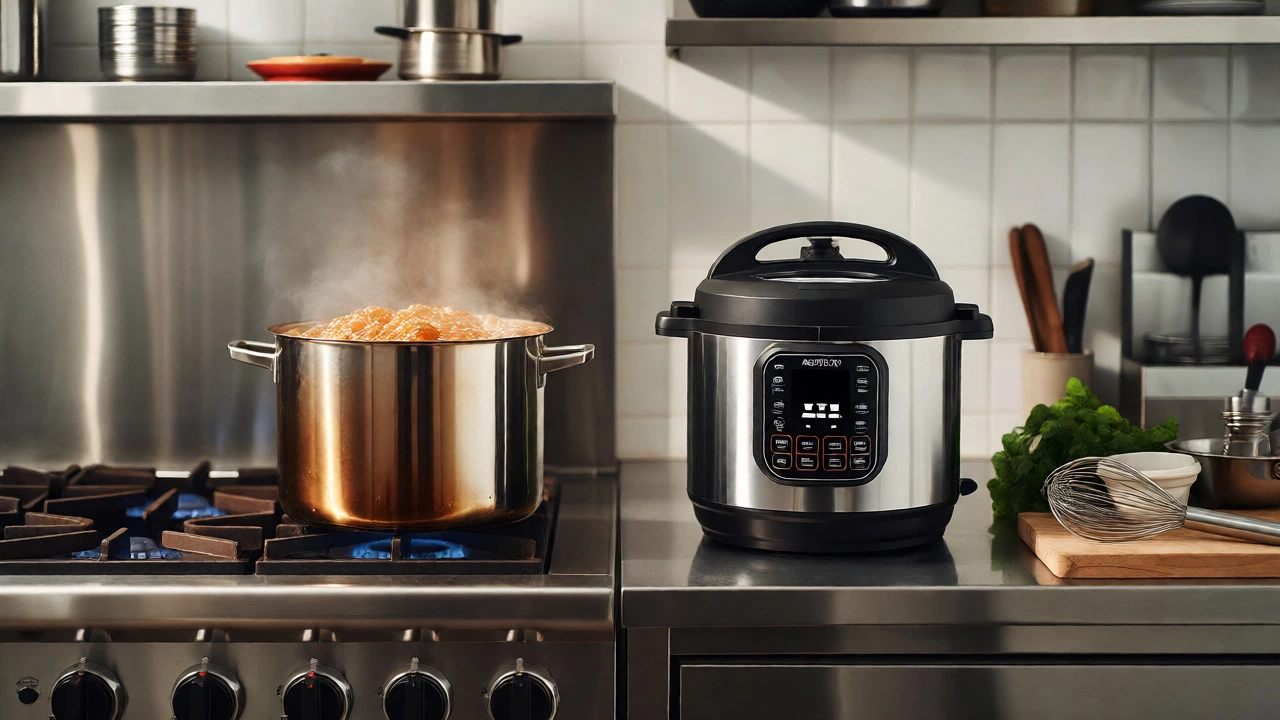
So, what do you do? You have to brown everything separately before putting it in the cooker. That means dirtying another pan, using another burner, and adding another step to the process. At that point, why bother with the pressure cooker? You could just finish the dish in a Dutch oven on the stove, where you can manage both the browning and the simmering in one vessel. Efficiency drops when you have to use two pieces of equipment to do what one traditional pot can handle with better results.
Scaling Issues in Busy Service
Home pressure cookers are typically six quarts. Industrial ones exist, but they are bulky and require significant safety training. In a busy service, volume matters. If you are serving fifty plates of risotto, you don’t want to wait for a small batch to depressurize, open, check, and re-seal. Risotto relies on the gradual addition of liquid and starch release. It’s a dynamic process.
Compare this to a sauté pan or a wide, shallow pot. You can stir continuously, adjust the heat instantly, and pull the dish off the fire the second it’s ready. The workflow is continuous. Pressure cooking introduces bottlenecks. You have to wait for pressure to build. You have to wait for it to release. Those dead times disrupt the rhythm of a kitchen line. Time saved in cooking is often lost in waiting and managing the equipment.
Safety and Maintenance Concerns
While modern electric pressure cookers are safe, stovetop models still carry a stigma of danger in professional environments. Chefs work in tight spaces with hot oil, sharp knives, and rushing staff. A heavy metal pot that can explode if blocked is an unnecessary risk. Furthermore, maintaining these units is annoying. Gaskets degrade. Valves clog with starch. Cleaning the lid assembly takes time.
In a commercial setting, equipment needs to be durable and easy to clean. A standard stainless steel pot has no moving parts. No seals to replace. No valves to clear. It goes straight into the dishwasher or sink scrubber. The simplicity of basic tools wins out because reliability is paramount. If a pressure cooker fails mid-service, it can halt production for that station. A broken handle on a stockpot is rare; a failed seal on a pressure cooker is common after heavy use.
When Do Chefs Actually Use Them?
It’s not that chefs never touch them. They do, but usually for specific tasks where speed outweighs precision. Stock and bone broth are prime examples. Extracting collagen from bones quickly is valuable, and the slight cloudiness or textural compromise is acceptable for a base liquid that will be clarified later. Legumes for purees or soups also make sense. If you’re blending chickpeas into hummus, it doesn’t matter if they are slightly soft.
Some avant-garde chefs experiment with pressure cooking for infusion techniques. Making flavored oils or intense herb infusions can be accelerated. But these are niche applications. For the core proteins and vegetables that define a menu, traditional methods remain king. The tool serves a specific purpose, but it is not a universal solution for professional cooking.
Key Takeaways
- Texture Control: Pressure cookers often overcook delicate foods, leading to mushy textures that fail plating standards.
- Lack of Feedback: Sealed lids prevent tasting and adjusting flavors during the cooking process.
- Browning Limitations: Wet heat prevents the Maillard reaction, requiring extra steps and pans.
- Workflow Disruption: Waiting for pressure buildup and release creates bottlenecks in fast-paced service.
- Maintenance Burden: Seals and valves wear out, unlike simple pots with no moving parts.
Do any famous restaurants use pressure cookers?
Yes, but sparingly. Some establishments use them for stocks, broths, and pre-cooking grains or legumes for purees. However, you rarely see them used for finishing main courses like steaks or roasted vegetables due to texture concerns.
Is a pressure cooker good for making sauces?
Generally, no. Sauces require reduction and concentration of flavors, which needs evaporation. Pressure cookers trap moisture, preventing reduction. You would have to open the pot and boil it down afterward, negating the time-saving benefit.
Why don't chefs use slow cookers either?
Similar reasons apply. Slow cookers lack precise temperature control and browning capabilities. They also tie up a pot for hours with little active management, which is inefficient in a kitchen where space and equipment turnover are critical.
Can pressure cookers ruin expensive ingredients?
Absolutely. Delicate proteins like fish or premium cuts of beef can become rubbery or fall apart too easily. The aggressive nature of high-pressure steam can destroy the subtle textures that justify the high cost of these ingredients.
What is the alternative to pressure cooking for quick meals?
Chefs prefer techniques like sous vide for precision, or high-heat sautéing and roasting for speed and flavor development. Cutting ingredients smaller also reduces cooking time without sacrificing texture or control.