Refrigerator Repair Cost Estimator
Select a component issue to see estimated costs and receive a recommendation on whether to repair or replace based on the age and value of your fridge.
Compressor Failure
Recommendation
Loading analysis...
You’re standing in your kitchen, staring at a warm fridge that hums but doesn’t cool. The technician arrives, pokes around for ten minutes, and drops a number that makes you wince. Was it the door gasket? The fan? No. It’s usually one of two things: the compressor or the main control board. But which one actually hits your wallet harder?
Here is the brutal truth about refrigerator repairs: labor costs often outweigh parts. While a new compressor might cost $200-$400, the job requires specialized tools, refrigerant handling certifications, and hours of work. This pushes the total bill into the $600-$1,000 range. A faulty control board, meanwhile, can cost $300-$500 for the part alone, plus diagnostic fees. So, while the compressor is the "heart" of the system, the electronic brain (the board) is often just as expensive to replace.
| Component | Avg. Part Cost | Labor Complexity | Total Estimated Cost |
|---|---|---|---|
| Compressor | $200 - $400 | High (Requires brazing & refrigerant) | $600 - $1,000+ |
| Main Control Board | $300 - $500 | Medium (Diagnostic & Swap) | $450 - $750 |
| Evaporator Coils | $100 - $200 | Very High (Full disassembly) | $800 - $1,200 |
| Sealed System Leak | N/A (Refrigerant) | High (Leak detection & recharge) | $500 - $900 |
| Door Gaskets | $50 - $100 | Low (DIY possible) | $100 - $200 |
The Compressor: Why It’s the Heartbreaker
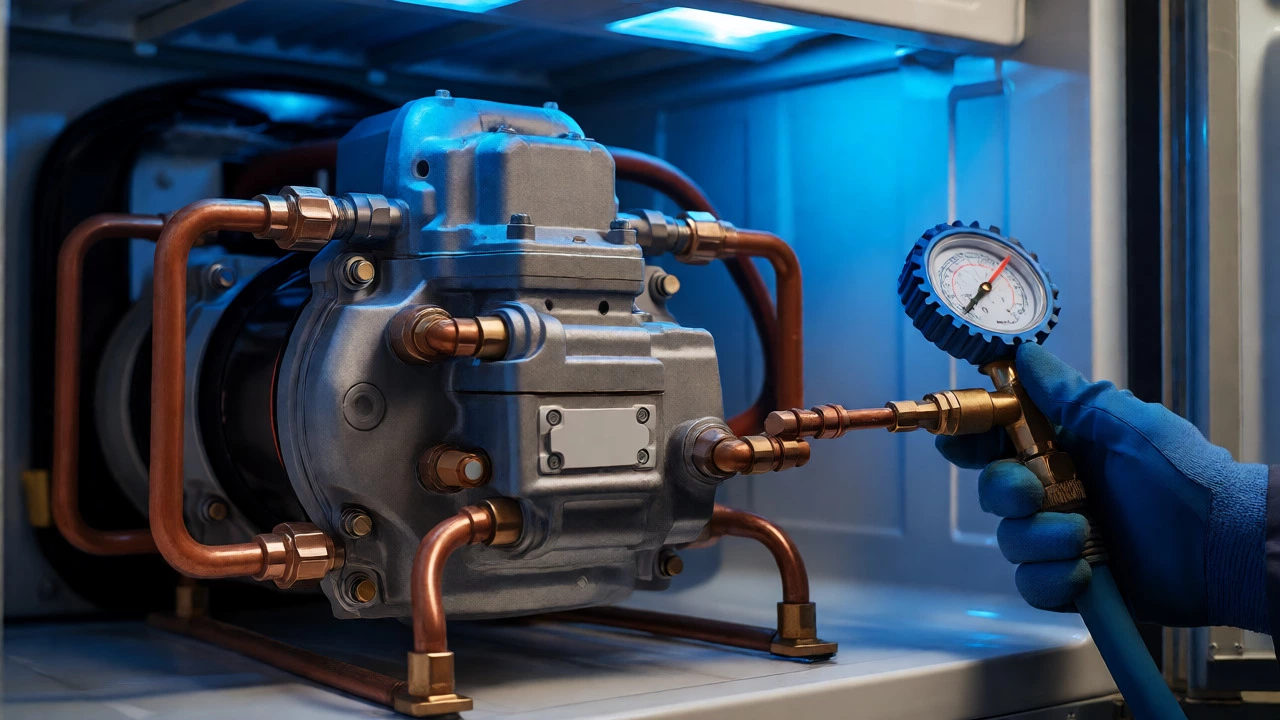
The compressor is an electric pump that circulates refrigerant through the cooling system. When it fails, your fridge stops cooling entirely. You’ll hear clicking sounds or no sound at all where there used to be a steady hum. Replacing it isn’t like swapping a lightbulb. It involves cutting copper lines, soldering new connections, evacuating air from the system, and recharging with specific refrigerants like R-134a or R-600a.
Why does this cost so much? First, the part itself is heavy-duty machinery. Second, EPA regulations require technicians to have Section 608 certification to handle refrigerants. Third, if the old compressor burned out, it likely sent debris throughout the system. That means the technician must also replace the drier and filter-drier, adding to the parts list. If you skip these steps, the new compressor will fail within months. So, you aren’t just paying for a motor; you’re paying for a complete system reset.
The Main Control Board: The Silent Killer
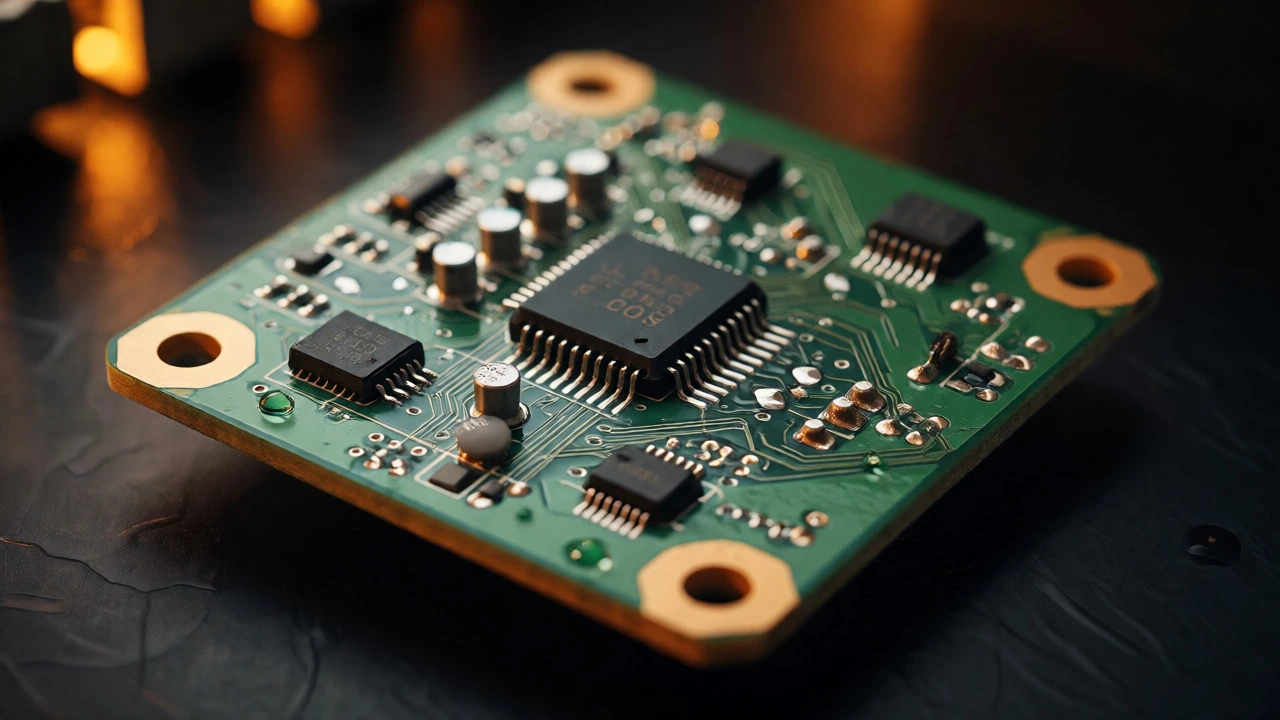
If your fridge runs but doesn’t cool properly, or if the lights are dim and the display is glitchy, suspect the main control board. This is the central computer that manages temperature settings, defrost cycles, and component activation. Modern fridges are packed with sensors and relays, all tied together by this circuit board.
Control boards fail due to power surges, moisture intrusion, or simple age. Unlike mechanical parts, you can’t fix a fried circuit board easily. You replace it. And here’s the catch: manufacturers often charge premium prices for proprietary electronics. A generic compressor might fit multiple brands, but a Samsung control board only fits Samsung models. This lack of cross-compatibility drives up the price. Plus, diagnosing a board issue takes time. Technicians use multimeters to test voltage outputs, ruling out fans and heaters first. That diagnostic time adds $100-$150 to the bill before they even touch the part.
Sealed System Leaks: The Invisible Problem
Sometimes, neither the compressor nor the board is broken. Instead, you have a sealed system leak, which is a breach in the refrigerant loop allowing gas to escape. Refrigerant is what absorbs heat. Without enough of it, your coils stay warm. Finding a leak is tricky. It could be a pinhole in the evaporator coils hidden behind the back panel, or a crack in the condenser coils under the fridge.
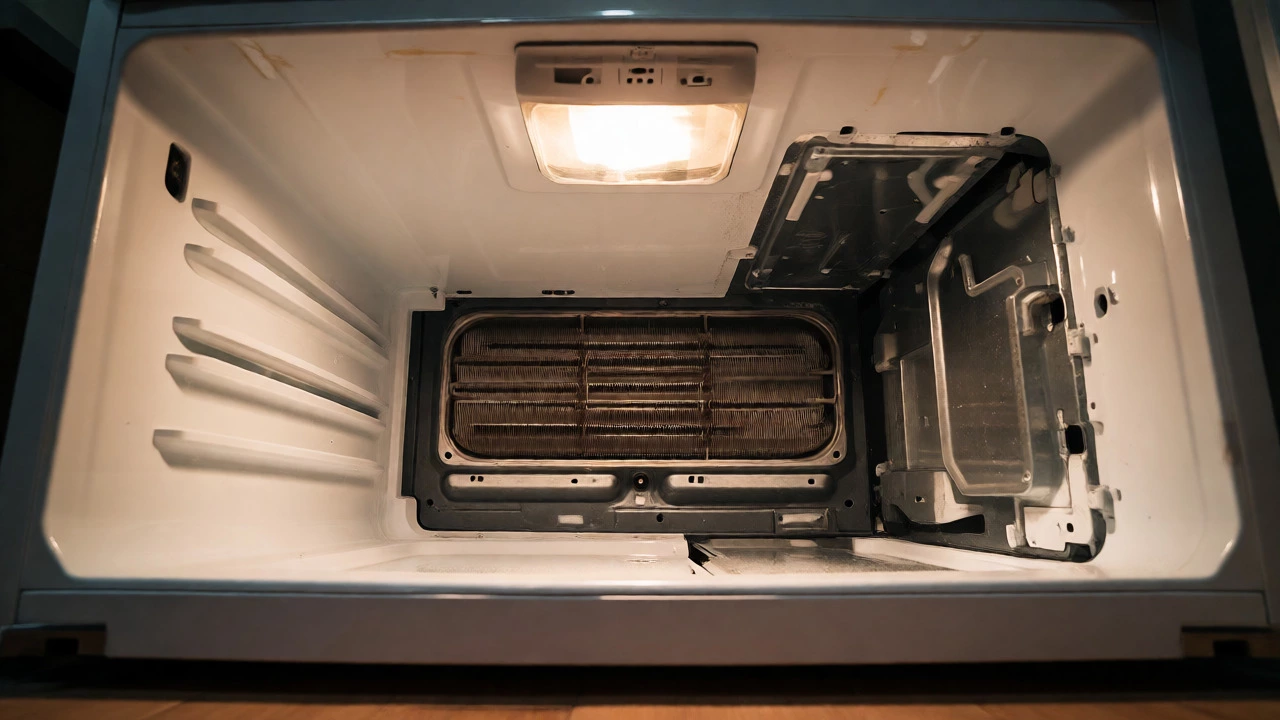
Repairing a leak often involves replacing the leaking coil section, not just patching it. Evaporator coils are particularly nasty because they sit inside the freezer compartment. Accessing them requires removing shelves, panels, and sometimes the entire inner liner. Labor hours skyrocket. In many cases, if the leak is in the evaporator, technicians recommend replacing the whole cabinet or buying a new fridge. The repair cost ($800+) often approaches 50% of a new unit’s price ($1,200+). At that point, is it worth fixing?
When to Repair vs. Replace
Money talks. Here’s a simple rule of thumb used by seasoned repair pros: if the repair cost exceeds 50% of the price of a new refrigerator, buy a new one. But context matters. If you have a high-end built-in Sub-Zero fridge costing $8,000, a $1,000 compressor repair is still a bargain. For a standard $800 top-freezer model, that same repair is questionable.
- Age Factor: Fridges last 10-15 years. If yours is 12 years old and needs a $700 repair, save that money for a new, energy-efficient model.
- Energy Savings: Newer models use 20-30% less electricity. Over five years, those savings can offset part of the purchase price.
- Warranty Status: Check if your compressor has a 5-10 year warranty. Many manufacturers cover the part but not labor. If labor is $400, check if the manufacturer offers a labor reimbursement program.
How to Avoid the Big Bills
You can dodge the most expensive repairs with basic maintenance. Dirty condenser coils make the compressor work harder, leading to premature burnout. Vacuum the coils every six months. Keep the door seals clean and pliable. Wipe them with warm water and mild soap. If they feel stiff or cracked, replace them early-they’re cheap ($50) compared to a compressor ($1,000).
Also, watch your power supply. Use a surge protector for your fridge. Power spikes fry control boards faster than anything else. If you live in an area with frequent brownouts, consider a dedicated UPS (Uninterruptible Power Supply) for your appliance. It’s a small investment ($100-$200) that protects a $1,500 machine.
Frequently Asked Questions
Is it worth repairing a 15-year-old refrigerator?
Generally, no. At 15 years, other components like fans, thermostats, and seals are likely nearing failure. Unless the repair is minor (under $200), investing in a new, energy-efficient model is usually more cost-effective long-term.
Can I replace the compressor myself?
Technically yes, but practically no. Handling refrigerants requires EPA certification. You also need vacuum pumps, gauges, and brazing equipment. Mistakes can lead to poor cooling or safety hazards. Most DIYers stop at cleaning coils or replacing gaskets.
Why is my fridge running but not cooling?
This points to several issues: dirty condenser coils, a failed evaporator fan, a stuck defrost timer, or low refrigerant levels. Start by cleaning the coils and checking if the fan spins when the door is closed. If those are fine, call a pro to check for leaks or board issues.
Does insurance cover refrigerator repairs?
Homeowners insurance rarely covers mechanical breakdowns. It typically covers damage from fire, theft, or sudden electrical surges. If a lightning strike fried your control board, you might have a claim. Routine wear-and-tear repairs are almost always out-of-pocket.
Which brand has the cheapest repair costs?
Brands like Whirlpool and GE tend to have more widely available and affordable parts compared to luxury brands like Sub-Zero, Miele, or Viking. Luxury brands often use proprietary components that drive up both part and labor costs.