Extractor Fan Diagnostic Checker
Select the observed symptoms to identify the likely issue.
Details here.
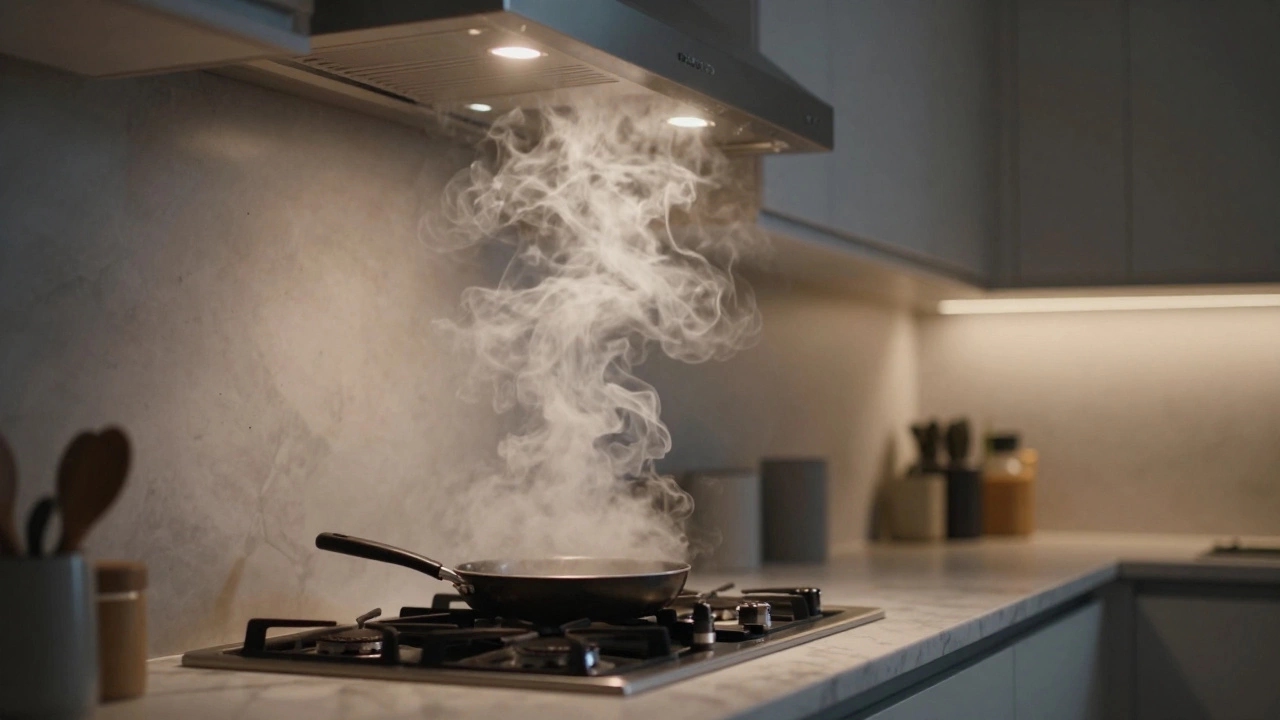
You turn the knob to clear the cooking smoke, but nothing happens. The kitchen air stays thick, and the steam refuses to vanish from the mirror. A silent Extractor Fanis a mechanical device designed to remove airborne contaminants such as smoke, heat, grease, and odors from a building environment is frustrating, but usually fixable. Most failures aren't catastrophic; they stem from simple interruptions in power, airflow, or control mechanisms.
Before you hire a technician, walk through these checkpoints. You might save money and time by identifying the issue yourself.
Power Supply Interruptions
The most common reason a unit stops spinning is a lack of electricity reaching the motor. Sometimes the problem isn't the appliance itself but the connection point.
Start at the wall socket. If your fan plugs in, try a different plug-in device in that same socket to confirm the outlet works. If the fan is hardwired directly into your ceiling or cabinetry, you need to inspect your consumer unit. Look for a tripped Circuit Breakeris an electrical switch designed to protect an electrical circuit from damage caused by overcurrent or short circuit. In many homes, the kitchen circuits share a line. If you trip a General Purpose Switch (GPO) or an RCD (Residual Current Device), the fan cuts out instantly.
- Reset any tripped breakers labeled "Kitchen" or "Appliances".
- Check for loose wires behind the access panel if accessible.
- Look for burnt marks near the connection points indicating a fire hazard.
Never force a breaker back on if it trips again immediately. That signals a short circuit or ground fault requiring professional intervention.
Motor and Capacitor Failures
If power is present but the fan hums without turning, the mechanical components are likely seized or worn. The heart of the system is the Electric Motorconverts electrical energy into mechanical energy to drive the fan blades. Over years of use, dust and grease infiltrate the windings, creating friction.
A frequent culprit in older models is the capacitor. This small component gives the motor the initial push to start spinning. When it fails, you might hear a buzz, but the blades stay still. While some technicians replace capacitors for a fraction of the cost of a new unit, modern fans often have sealed motors where replacement isn't practical. Listen closely:
- Silence: Power issue or open circuit.
- Humming: Motor receiving power but unable to overcome resistance (capacitor or bearings).
- Loud Grinding: Bearing failure or foreign object in the blower wheel.
Blocked Airflow Pathways
Imagine trying to drink soup through a straw that is partially clogged with dried milk. The motor tries to pull air, meets resistance, and shuts down via a thermal cutoff switch. This is a protection mechanism preventing overheating.
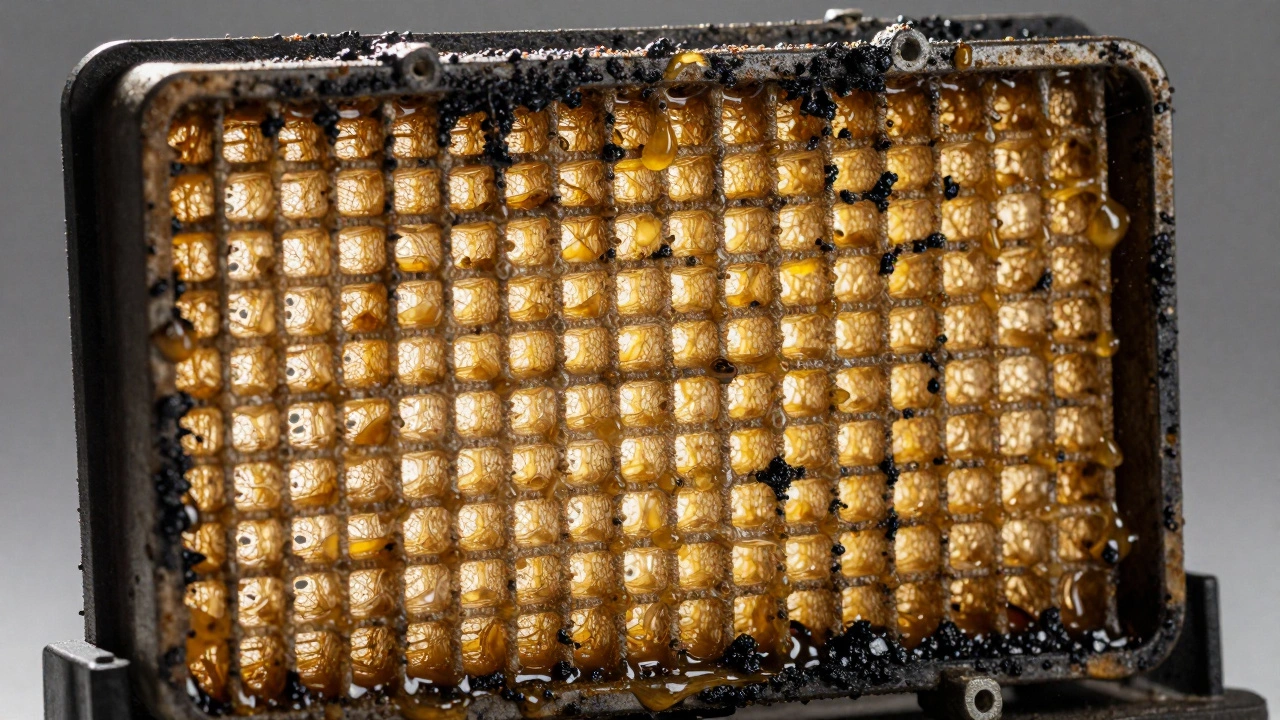
Cleanliness plays a massive role in performance. Grease traps capture oil particles, but they eventually saturate. If metal mesh screens are covered in yellow buildup, air cannot pass through effectively. Similarly, Carbon Filtersare porous materials used in recirculating systems to adsorb odors and particulate matter lose efficiency over time. Unlike metal mesh, carbon pads cannot be washed; they absorb odor molecules until they are full. Once saturated, they restrict airflow significantly.
Check the external vent flap too. Birds and wasps often build nests in the exterior cowls, especially during warmer months. The internal damper might also be stuck closed. Manually flex the plastic flap outside your window to ensure it opens freely.
Control Switch and Timer Issues
Sometimes the machine works perfectly, but the signal to start never arrives. Wall-mounted toggle switches degrade internally. Contacts oxidize or spring tension weakens. This is common in high-humidity bathrooms.
Many modern hoods utilize variable speed controls or digital timers. If your unit has a Timer Switchallows the fan to run automatically for a set period after cooking finishes, test the immediate override function. Bypass the timer temporarily. If the fan runs on the manual setting, your logic board or timer module needs resetting or replacement.
Recall how long since you last cleaned the control panel buttons? Sticky grease on touch controls prevents sensors from registering your press. Clean glass panels with mild detergent and dry thoroughly.
Ductwork Restrictions
Poor installation is a hidden cause of failure. If your Ductworkrefers to the network of tubes or channels carrying airflow away from the appliance has too many bends, static pressure builds up. A straight vertical pipe moves air easily; three sharp 90-degree elbows fight the motor.
Long duct runs also reduce suction. If your system vents through the roof, debris may enter the termination point. Inspect the path for kinks in flexible aluminum tubing, which crushes easily during installation. Straightening these creases restores flow without buying new pipes.

Knowing When to Call a Pro
While cleaning filters and resetting breakers is safe DIY work, electrical diagnostics require caution. Hardwired connections involve live voltage capable of severe injury. If you smell burning ozone, see scorch marks on terminals, or feel warmth radiating from the control box, stop immediately.
Contact an electrician or specialist repair technician if:
- The motor is seized and requires disassembly.
- You suspect a wiring fault inside the ceiling cavity.
- The unit is under warranty (tampering voids coverage).
- You notice flickering lights elsewhere when the fan attempts to start.
Replacing a motor might cost less than a new unit, but labor charges often tip the balance toward replacement. Calculate the age of your appliance. If it is over ten years old, upgrade models offer better LED lighting, quieter operation, and energy efficiency.
Maintenance to Prevent Future Failure
Prevention keeps costs low. Schedule a deep clean twice yearly. Wash metal filters in warm water with dish soap or oven degreaser. Soak them to loosen baked-on grime. Rinse and dry completely before reinstalling to prevent rust.
Vacuum the fan casing gently to remove dust accumulation. Keep the outdoor vent screen clear of leaves and webs. These simple steps maintain optimal airflow and extend the lifespan of the motor significantly.
Why is my extractor fan making noise but not blowing air?
This usually indicates a capacitor failure or seized bearings. The motor receives power (hence the noise) but cannot turn the impeller blade. Check the blades manually; if they are stiff, the motor needs replacement or lubrication.
Can I wash the grease filters in the dishwasher?
Metal mesh filters generally survive the dishwasher, but check your manufacturer's guide first. High temperatures can warp aluminum mesh, causing leaks. Hand washing is safer and preserves the coating better over time.
How do I know if the fan needs more power?
Is it normal for the fan to stop after a while?
Yes, many models feature thermal protection or timers that cut power after a set duration. Continuous running triggers heat sensors to cool the motor. If it stops prematurely, the internal thermostat might be sensitive or overheated.
What does it mean if the light stays on but the fan doesn't?
This suggests the light circuit is intact, but the fan motor circuit is broken. The switch might only be sending a signal for illumination. It could also be a dedicated fan switch fault independent of the lighting controls.
How often should I replace carbon filters?
Replace charcoal filters every three to six months depending on usage frequency. They become saturated and stop filtering odors efficiently. There is no cleaning method that restores their adsorption capacity.