Signs of Heat Pump Failure – What to Look For
When dealing with signs of heat pump failure, the tell‑tale symptoms that indicate a heat pump is on the brink of breaking down. Also known as heat pump fault indicators, these clues help you act before a small issue becomes a major expense. The heat pump, a system that moves heat rather than generating it relies on several components working together, so a glitch in one area often shows up in easy‑to‑spot ways.
One of the most common culprits is a refrigerant leak, loss of the fluid that carries heat through the system. When the refrigerant level drops, the pump struggles to reach set temperatures, and you might notice the indoor unit blowing weak air or the outdoor unit humming louder than usual. Another frequent offender is compressor failure, the component that pressurises refrigerant to create heat exchange. A failing compressor can cause rattling noises, intermittent operation, or a complete shutdown. Both issues share a simple semantic link: heat pump failure encompasses refrigerant leaks and compressor problems, meaning spotting either symptom points directly to a broader system fault.
Why Regular Maintenance Cuts Down Failure Risks
Proactive heat pump maintenance, routine cleaning, filter checks, and performance testing dramatically lowers the odds of the problems described above. Clean coils improve heat exchange efficiency, while fresh filters keep airflow optimal, preventing the motor from overheating. Maintenance also gives technicians a chance to tighten refrigerant connections, catching tiny leaks before they widen. In short, heat pump maintenance reduces failure risk, and a well‑kept unit shows fewer of the warning signs we’re discussing.
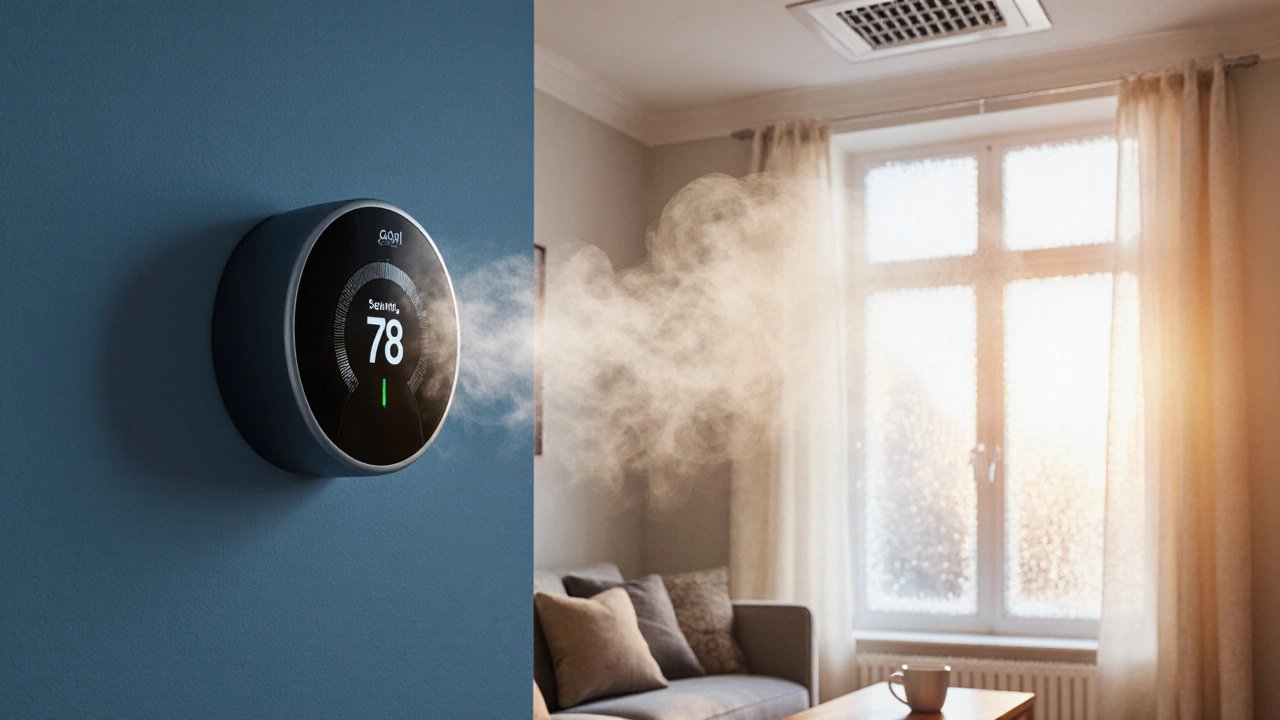
Beyond leaks and compressor wear, a handful of other symptoms scream for attention. If you see ice forming on the outdoor coil, that usually signals insufficient airflow or a low‑charge refrigerant. Erratic temperature swings inside your home often mean the thermostat isn’t communicating properly with the pump’s control board. Unusual buzzing or clicking noises can indicate a failing fan motor or loose electrical connections. Each of these clues forms a semantic chain: heat pump failure is indicated by noise anomalies, temperature inconsistencies, and icing. Recognising them early saves you from emergency service calls and expensive part replacements.
When do you move from DIY checks to calling a professional? If you’ve cleared filters, reset the thermostat, and the unit still won’t heat, the issue likely involves the compressor or refrigerant system—tasks that need specialised tools and certification. Trying to fix a refrigerant leak yourself can be dangerous and illegal without proper handling. A qualified technician can safely recharge the system, replace a faulty compressor, or repair electrical faults. Remember, the cost of a timely repair is usually a fraction of a full system replacement, especially if the heat pump is still under warranty.
Understanding these signs of heat pump failure gives you a solid foundation to protect your home’s comfort and your wallet. Below you’ll find a curated set of articles that dive deeper into each symptom, explain step‑by‑step diagnostics, and outline both DIY fixes and professional services. Keep reading to arm yourself with the knowledge you need to keep your heat pump running smoothly year after year.