Oven Wiring: Common Issues, Safety Risks, and Professional Fixes
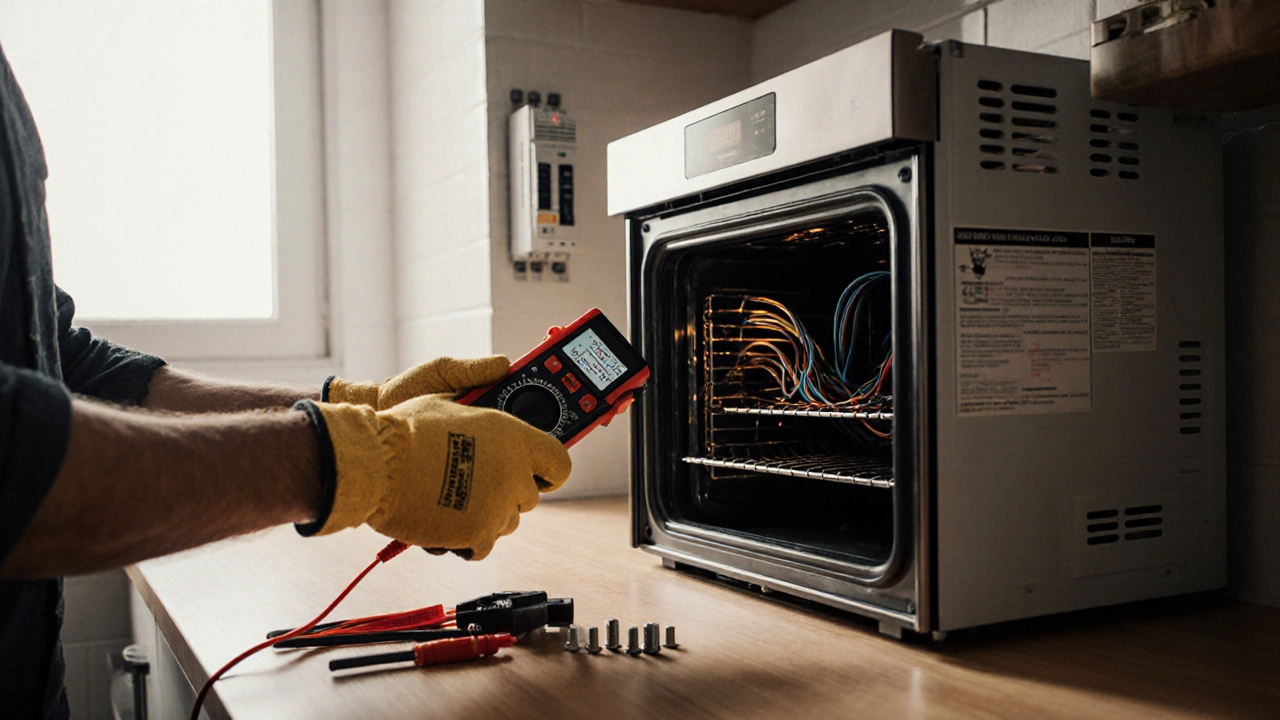
When your oven won’t heat up or keeps tripping the breaker, the problem isn’t always the heating element—it could be oven wiring, the network of cables and connections that deliver power to your oven’s components. Also known as appliance electrical harness, it’s the hidden lifeline that keeps your oven running. If this wiring frays, overheats, or comes loose, your oven won’t work—and worse, it could start a fire.
Oven control board, the brain of your oven that sends signals to the heating elements and thermostat, often fails because of bad wiring connections. A loose wire or corroded terminal can make the board think the oven is overheating, so it shuts down. That’s why a technician doesn’t just swap out the control board—they check every wire leading to it. The same goes for the oven heating element, the coil that glows red-hot to bake or broil your food. If it’s not getting power, the issue isn’t always the element itself—it could be a broken wire, a blown fuse in the circuit, or a damaged terminal block.
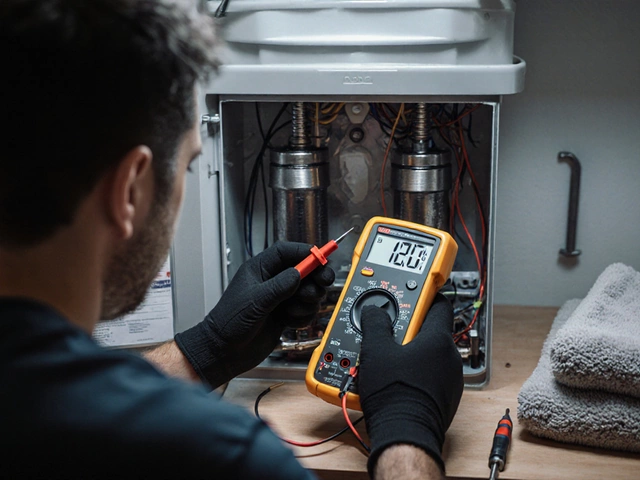
Most people assume oven problems are simple fixes: replace the element, reset the breaker, or turn it off and on again. But oven wiring issues are sneaky. They don’t show up on error codes. You won’t smell burning plastic right away. The wires might look fine from the outside, but inside the insulation, they’re cracked from heat cycles or pinched behind the oven’s frame. This is why DIY oven repairs often end in frustration—or worse, an electrical hazard. You need someone who knows how to trace voltage, test continuity, and spot hidden damage before it causes more harm.
It’s not just about fixing the oven—it’s about safety. Faulty wiring can overload your home’s circuit, trip breakers repeatedly, or ignite nearby insulation. That’s why certified appliance technician, a trained professional who understands household appliance electrical systems doesn’t just swap parts. They inspect the entire circuit, check your home’s grounding, and make sure the oven is properly wired to the outlet. In older homes, the wiring might not even meet today’s safety standards, and a good tech will tell you if that’s a hidden risk.
You’ll find posts below that cover everything from replacing a heating element to diagnosing control board failures. But none of those repairs matter if the wiring is bad. The articles here aren’t just about parts—they’re about understanding how the pieces connect, literally and electrically. Whether you’re dealing with no heat, flickering lights when the oven turns on, or a tripped breaker that won’t stay reset, the solutions start with the wires. These aren’t theory guides—they’re real fixes from technicians who’ve seen what happens when wiring fails. What you’ll read isn’t guesswork. It’s what works when the oven won’t turn on, and you’re out of options.