Glass Hob Replacement – What You Need to Know
Got a cracked or shattered glass hob? It’s tempting to toss it out, but sometimes a simple fix will do. In this guide we’ll show you how to spot the signs that a replacement is the only sensible option, what to look for when buying a new hob, and the basics of getting it fitted safely.
Signs Your Glass Hob Needs a New Pane
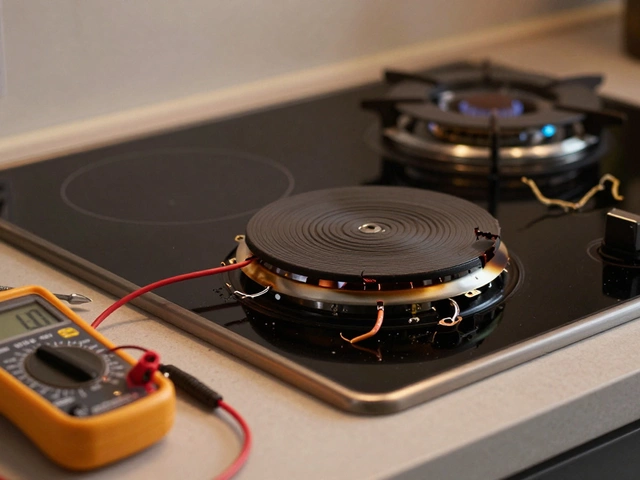
First, check the damage. Small scratches or localized cracks often survive a repair kit, but any crack that spreads across the surface, chips off a corner, or makes the glass wobble is a red flag. If the hob won’t heat evenly, flickers, or shows error codes, the built‑in sensors may be compromised – that usually means a full swap.
Another clue is age. Most glass hobs last around 7‑10 years with normal use. If yours is older and you’ve already fought a few cracks, the cost of a new unit often beats endless patch‑ups. Finally, safety matters. A weakened pane can shatter under the weight of a pot, putting you and your kitchen at risk.
Choosing and Installing a Replacement Hob
When you’ve decided to replace, match the new hob to your existing setup. Measure the cut‑out opening (width, depth, and any mounting brackets) and note the type of cooktop – induction, electric, or gas‑compatible. Most retailers list these dimensions, and many will send a free template to avoid guesswork.
Don’t just chase the cheapest price. Look for a hob with good reviews on durability and even heating. Brands that offer a warranty of at least two years give you extra peace of mind. If you’re in Rugby, ask local suppliers about delivery fees and whether they can handle disposal of the old unit.
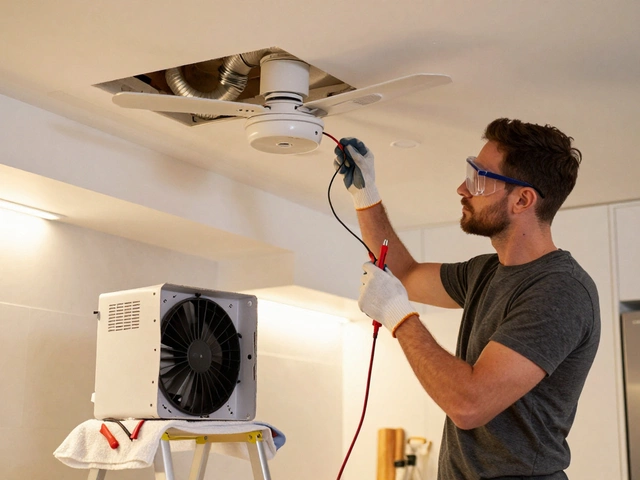
Installation is the trickiest part. While a handy DIYer can hook up an electric or induction hob, you’ll need a qualified electrician for any hard‑wired connections. The process usually involves disconnecting power, removing the old unit, sealing the cut‑out with the new gasket, sliding the hob into place, and reconnecting the wiring. If the new hob sits lower or higher than the previous one, you may need to adjust the countertop – a small job for a carpenter but one to budget for.
After fitting, run a quick test. Turn each zone on for a few seconds, check for steady heat, and make sure there are no strange noises or smells. If everything feels right, you’re good to go. If you notice any flickering or the hob won’t stay on, switch it off immediately and call a professional – it’s better to be safe than waste a new appliance.
Bottom line: a cracked glass hob can be a hassle, but a clear checklist makes the decision easy. Small damage? Try a repair kit. Big cracks, uneven heating, or an old unit? Replace it with a matching model and get a qualified electrician to finish the job. Your kitchen will be back to cooking in no time, and you’ll avoid a potential safety scare.