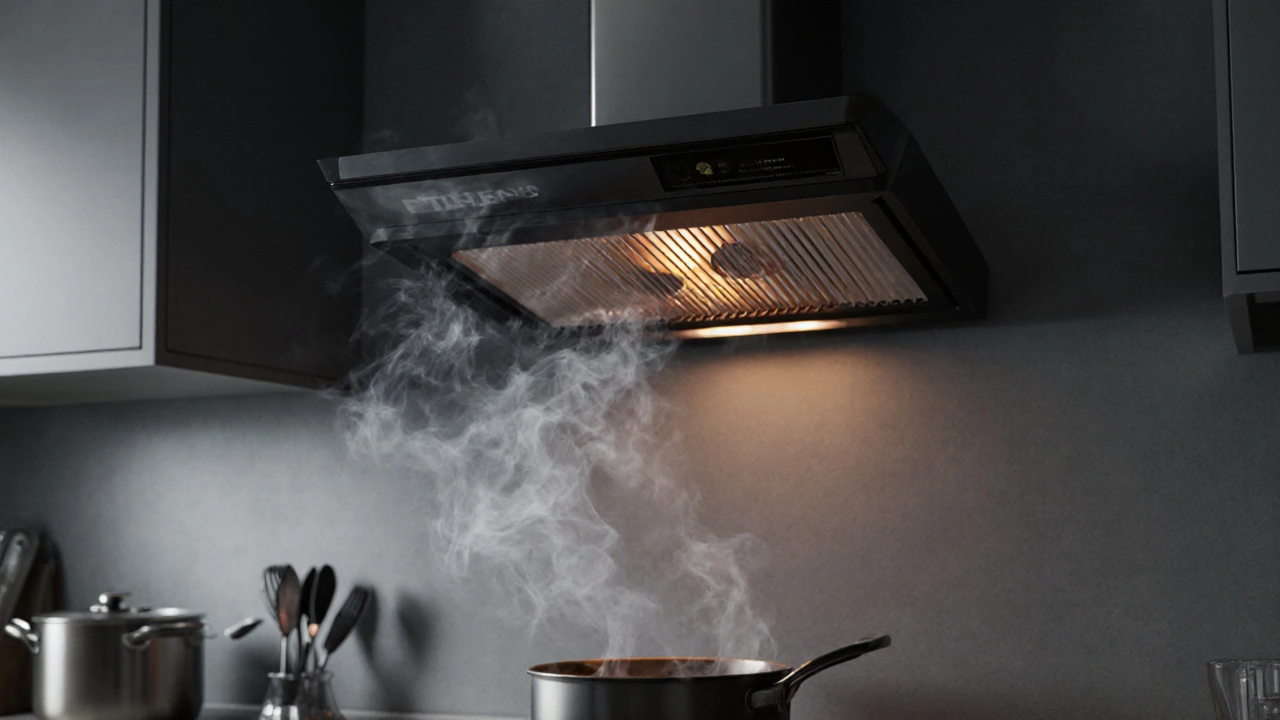
Fan Not Working – Quick Fixes and What to Check
When dealing with Fan Not Working, the situation where a household fan stops spinning, humming, or blowing air. Also known as broken fan, it often points to a simple fault you can spot yourself. Understanding this issue ties directly into extractor fan, the ventilation fan used above stoves or in bathrooms, kitchen ventilation, the system that removes heat, smoke, and moisture from cooking areas, and the broader practice of fan maintenance, regular cleaning and inspection to keep fans running efficiently. If you’re comfortable with a screwdriver, you’re also stepping into DIY fan repair, a hands‑on approach to diagnosing and fixing fan problems yourself. These entities interact: a well‑maintained extractor fan improves kitchen ventilation, and proper DIY repair can avoid costly service calls. In short, fan not working signals a chain of possible issues that are easy to untangle with the right checklist.
Typical Causes and First‑Aid Checks
Most fans stop because of one of three culprits: a jammed blade, a burnt‑out motor, or a wiring glitch. Start by turning the fan off and unplugging it – safety first. Remove the housing; if you see dust or grease buildup, that’s usually the villain. A quick brush or vacuum clears the blockage and often restores airflow. Next, give the motor a gentle spin by hand; resistance suggests bearing wear or motor failure. If the motor hums but doesn’t turn, the capacitor may be dead – swapping it out is a common DIY fix for many extractor fans. Electrical issues are trickier; check the plug and cord for visible damage, and use a multimeter to confirm voltage at the motor terminals. A loose connection or blown fuse can also make a fan appear dead. By following these steps, you cover the core of fan maintenance, keep your kitchen ventilation humming, and learn the basics of DIY fan repair without calling a pro.
When the simple fixes don’t work, it’s time to weigh the cost of a replacement versus a professional repair. A seasoned technician can test the motor windings, replace capacitors, or install a new fan assembly, often saving you from a future breakdown. Professional service also ensures compliance with safety standards, especially for high‑speed extractor fans that run over electrical circuits. Knowing when to DIY and when to call an expert keeps your home safe and your kitchen ventilation effective. Below, you’ll find a collection of articles that dive deeper into specific fans, detailed troubleshooting guides, and cost‑breakdown insights, giving you everything you need to decide your next move.