Electric Water Heater Repair: Fix Common Issues and Save Money
When your electric water heater, a household appliance that heats water using electrical elements instead of gas. Also known as storage tank water heater, it’s one of the most relied-on but least noticed devices in your home. stops working, you don’t need to panic—or replace it right away. Most electric water heater repair issues are minor, cheap to fix, and often something you can handle yourself with basic tools.
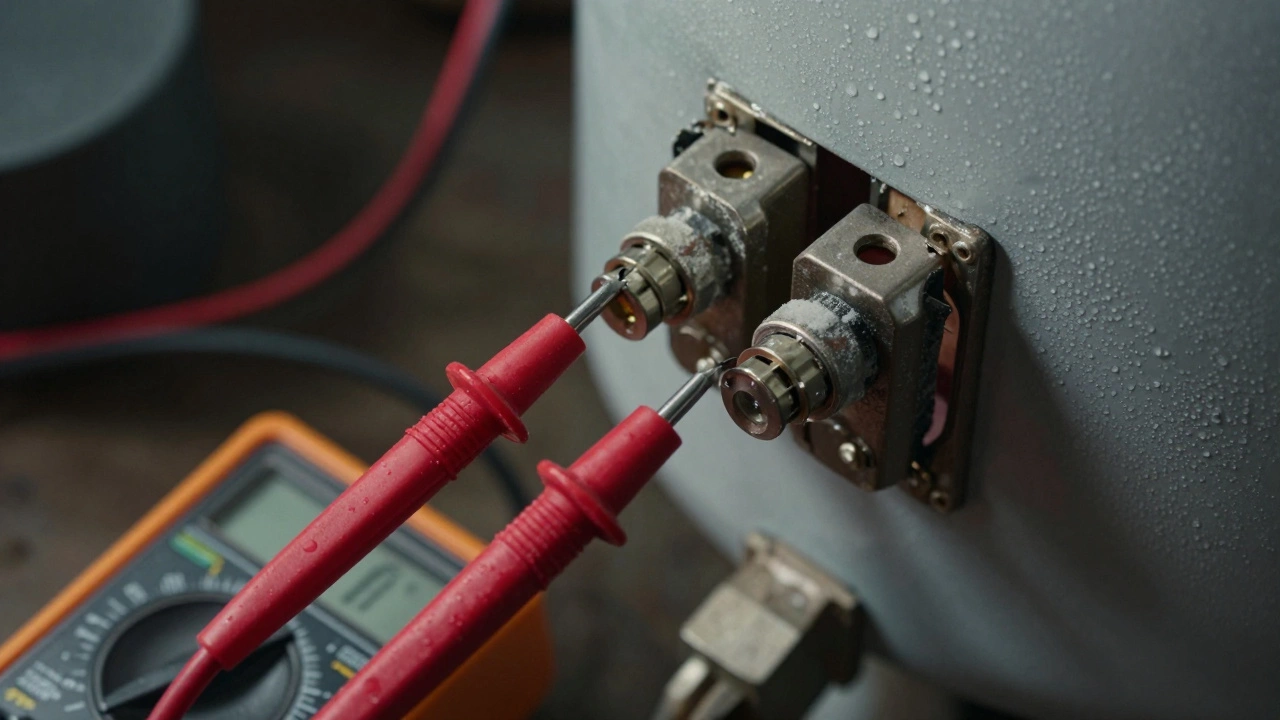
The heart of any electric water heater is its heating element, a metal rod that heats up when electricity passes through it to warm the water inside the tank. If you’re running out of hot water fast or getting cold showers, a bad heating element is usually the culprit. These elements wear out over time, especially in areas with hard water. You can test them with a multimeter in under 10 minutes. No need to call a pro unless you’re uncomfortable working with electricity.
Another common fix? The thermostat, the control unit that tells the heater when to turn on and off. If one thermostat fails, only half the tank heats up—so you get lukewarm water instead of hot. Resetting the high-limit switch or replacing a faulty thermostat can bring your hot water back. Sediment buildup is another silent killer. Flushing your tank once a year prevents it from overheating and burning out the elements too soon.
And yes, you should always turn off the breaker, the electrical circuit that powers the water heater. before doing any repair work. Skipping this step isn’t just risky—it’s dangerous. A tripped breaker, loose wire, or faulty reset button can cause the same symptoms as a broken element. That’s why diagnosing the problem correctly matters more than rushing to replace parts.
Most electric water heaters last 8 to 12 years. If yours is older than that and keeps needing repairs, replacement might make more sense. But if it’s under 8 years old? Repairing it is almost always the smarter move. You’ll save hundreds, reduce waste, and get back to warm showers fast.
In the posts below, you’ll find clear, step-by-step guides on testing your heating element, resetting your thermostat, flushing sediment, and deciding when to repair versus replace. No fluff. No jargon. Just what actually works when your hot water disappears.