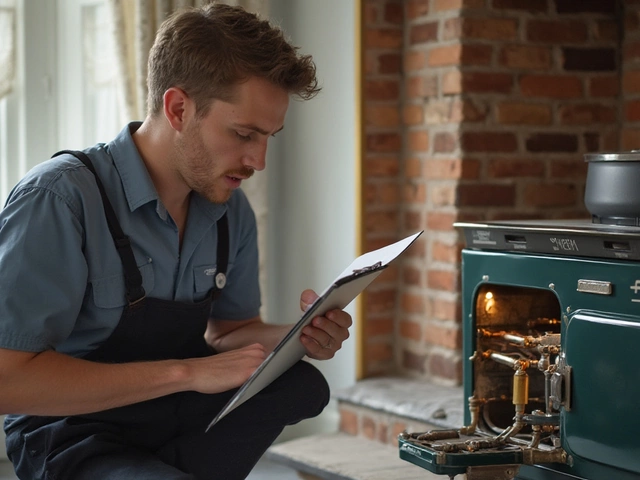
Electric Oven Safety: What You Need to Know to Avoid Fires and Faults
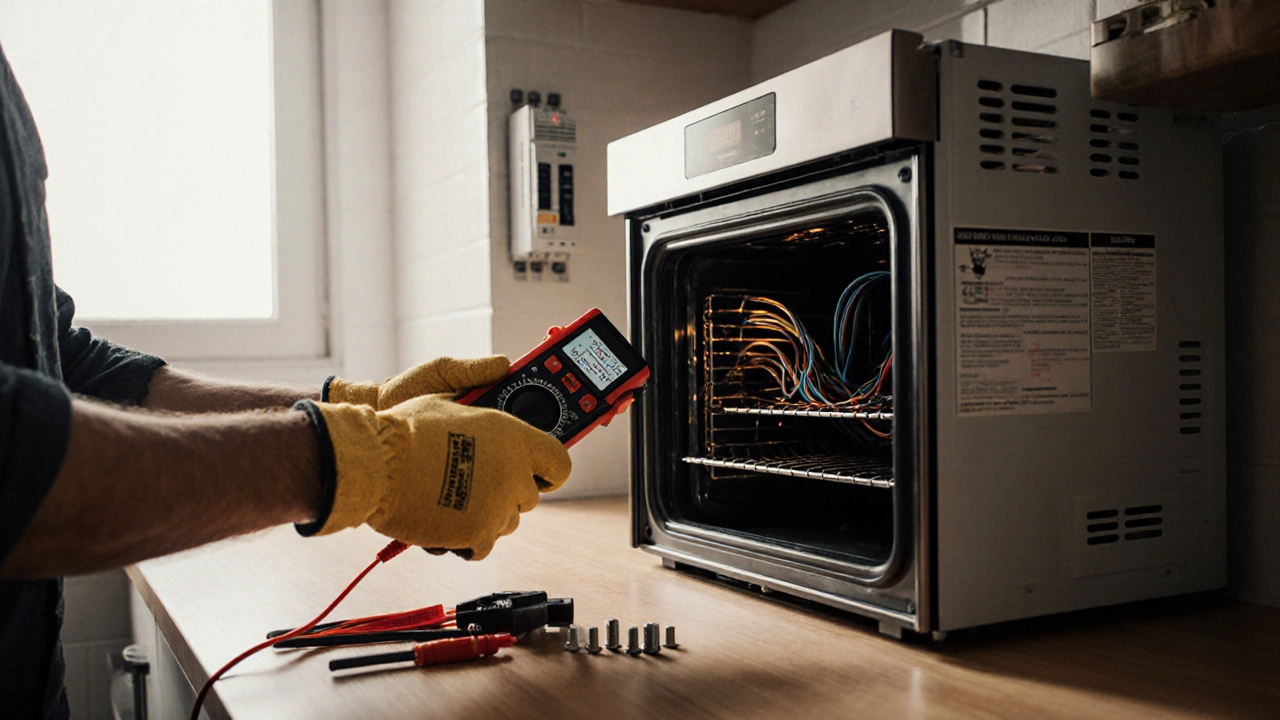
When your electric oven, a household appliance that uses electrical current to generate heat for cooking. Also known as a built-in oven, it heats up quickly and works silently—until it doesn’t. That’s when electric oven safety becomes more than a checklist item. A faulty heating element, a broken thermostat, or even a loose wire can turn your kitchen into a risk zone. Most people don’t realize how often small issues lead to bigger dangers—like overheating, sparks, or even fires—until it’s too late.
The heating element, the metal coil inside the oven that glows red when powered is the most common culprit. If it’s cracked, warped, or doesn’t glow evenly, it’s not just inefficient—it’s unsafe. A damaged element can arc electricity, melt surrounding parts, or ignite grease buildup. Then there’s the oven thermostat, the sensor that tells the oven when to turn on or off to maintain temperature. If it’s off by even 25 degrees, your food burns, or worse, the oven keeps running past safe limits. These aren’t abstract problems. They show up as strange smells, uneven baking, or the oven staying hot after you’ve turned it off.
People often try to fix these issues themselves. You can replace a heating element if you know what you’re doing—but only after turning off the breaker. Skipping that step? That’s how people get shocked. And if you’re seeing error codes, sparking, or a burning smell, don’t just unplug it and hope it goes away. That’s when you call a professional. Appliance repair isn’t just about fixing broken parts—it’s about preventing disasters before they start. Many of the posts below show real cases: ovens that stopped heating, elements that blew out, thermostats that failed mid-bake. Each one had warning signs, and each one could’ve been caught sooner.
Electric oven safety isn’t about being paranoid. It’s about being aware. Knowing how your oven works, spotting the early signs of trouble, and acting fast can save you money, time, and maybe even your home. The posts here cover everything from how to test a heating element to when to walk away from a repair and replace the whole unit. No fluff. No guesswork. Just what you need to keep your oven running safely—and your kitchen out of danger.