Bad Water Heater Element? Here’s What You Need to Know
When your water heater stops giving you hot water, it’s usually not the whole unit dying—it’s often just a bad water heater element, a simple component inside electric water heaters that heats the water when electricity passes through it. Also known as a heating element, this part can burn out over time, especially in areas with hard water or if the tank isn’t flushed regularly. Most electric water heaters have two of these elements—one near the top and one near the bottom—and if either fails, you’ll notice problems fast.
A bad water heater element, a resistive coil that converts electricity into heat doesn’t always make noise or leak. Often, it just stops working quietly. You might get lukewarm water, no hot water at all, or the water runs hot for a few minutes then goes cold. That’s not a thermostat issue—it’s usually the element. You don’t need to replace the whole tank just because one part failed. Replacing the element is often cheaper than a new unit, and it’s something many homeowners can do safely with a multimeter and a little patience.
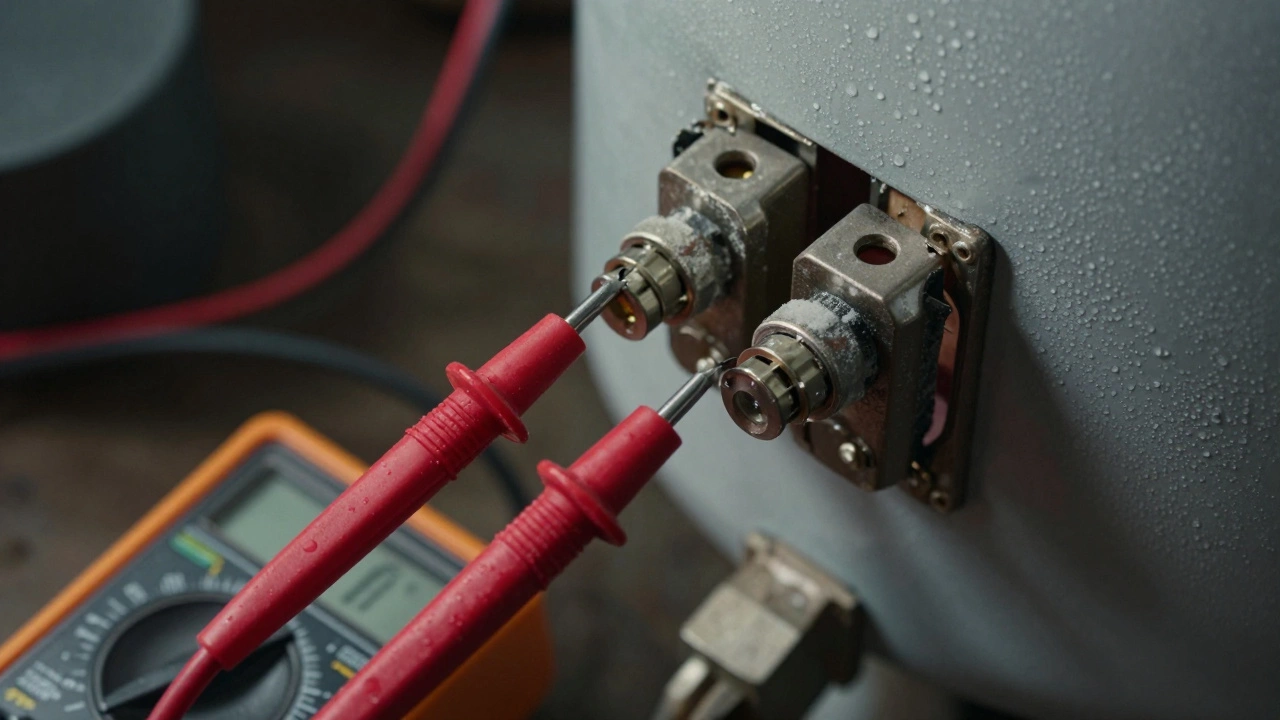
Other things can cause similar symptoms, like a tripped reset button, a faulty thermostat, or heavy sediment buildup. But if you’ve checked those and still have no hot water, the element is the next logical place to look. You can test it yourself in under 15 minutes—no plumber needed. Just turn off the power, drain a little water, pull the element, and check for continuity. If the multimeter reads zero, it’s dead. If it shows any resistance, it’s still good.
This isn’t just about fixing a broken appliance—it’s about saving money and avoiding unnecessary replacements. A water heater can last 10 to 12 years, but a single bad element can make it feel like it’s dying at year five. That’s why knowing how to test and replace it matters. And if you’ve ever wondered why your water heater keeps tripping the breaker or why your energy bill jumped suddenly, the answer might be hiding inside the tank.
Below, you’ll find real-world guides on diagnosing and fixing exactly this issue. From step-by-step testing methods to when to call a pro, these posts cover what actually works. No fluff. No theory. Just what to do when your hot water disappears.