Bad Heating Element? Fix Your Oven or Water Heater Now
When your oven won’t heat or your hot water suddenly goes cold, the culprit is often a bad heating element, a component that converts electricity into heat and is essential for ovens and water heaters to function. Also known as a element coil, it’s one of the most common failure points in household appliances. Unlike a broken thermostat or tripped breaker, a failed heating element doesn’t fix itself—and ignoring it won’t make the problem go away.
A oven heating element, the metal coil inside your oven that glows red when working usually dies from age, power surges, or food spills that cause corrosion. You’ll know it’s bad if your oven takes forever to heat, heats unevenly, or doesn’t get hot at all. The same thing happens with a water heater element, the rod-like part inside your tank that warms the water. If you’re running out of hot water faster than usual or the water is lukewarm, that element might be burnt out. Both parts are replaceable, but only if you know what you’re doing—wrong wiring can fry your whole system or start a fire.
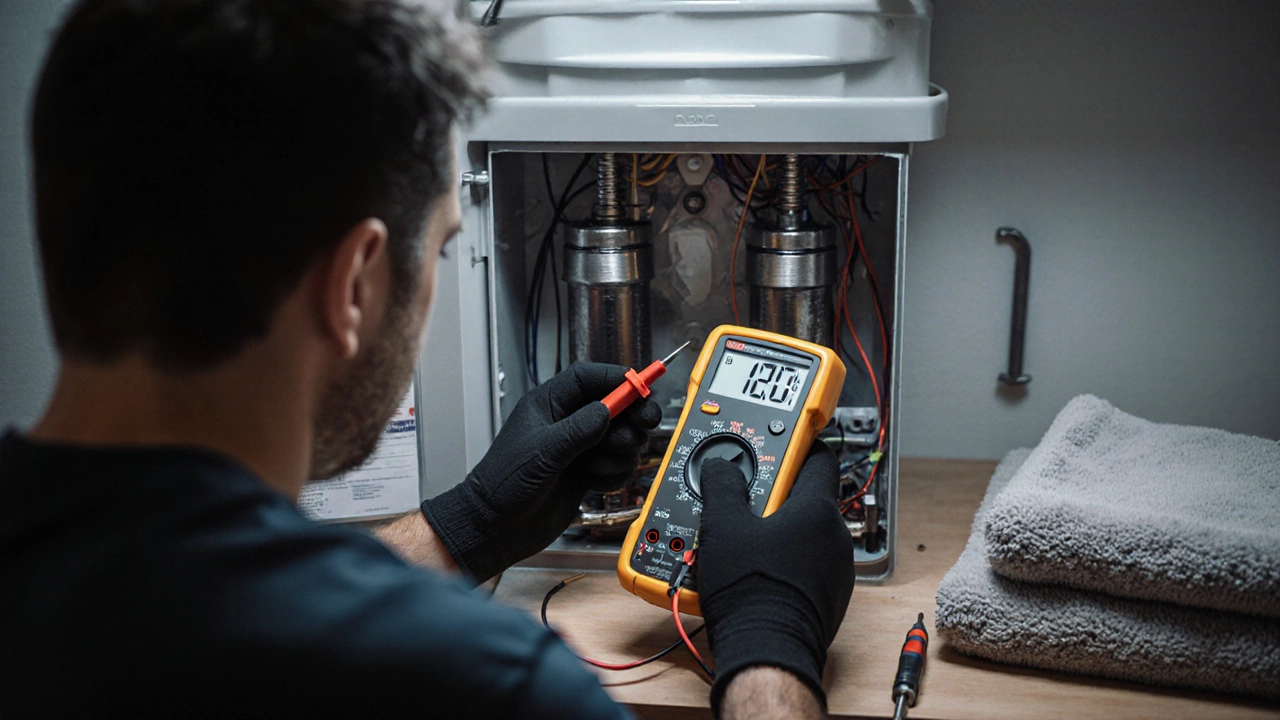
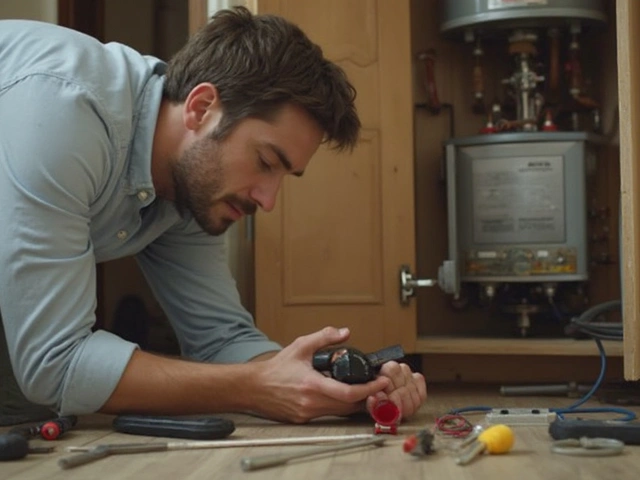
Many people try to fix these themselves after watching a YouTube video. And sometimes, it works. But if your element is cracked, discolored, or has visible gaps, it’s not just broken—it’s dangerous. You don’t need to be an electrician to test it with a multimeter, but you do need to turn off the power and know how to safely disconnect the wires. Most of the posts below show you exactly how to do that without risking shock or damage. You’ll also find out why some repair shops charge $200 to replace what you could fix for $40 in parts—and when it’s smarter to just replace the whole appliance.
Whether you’re dealing with a 12-year-old oven that’s starting to act up or a water heater that’s been sputtering for months, the fixes aren’t complicated. But they do require the right tools, the right timing, and the right safety habits. Below, you’ll find real guides from people who’ve been there—how to test the element, how to pick the right replacement, and when to call in a pro instead of risking your home. No fluff. No guesswork. Just what works.