
Gas vs. Electric Savings Calculator
Your Usage Details
Results Summary
| Estimated Annual Cost | $180 - $250 |
| Total Cost (10 Years) | $1,800 - $2,500 |
| Potential Savings vs Gas | -- |
| CO2 Reduction Estimate | -- |
You’re standing in your kitchen, staring at that familiar blue flame under the wok. It’s been there for years-maybe decades. But lately, you’ve heard whispers about safety risks, rising gas bills, and a push toward all-electric homes. Should you rip out your gas appliances and switch to electric? Or is keeping them the smarter move?
This isn’t just a trend. Across Australia, homeowners are rethinking their energy choices. With new regulations tightening around carbon emissions and electricity prices fluctuating, the decision to keep or ditch gas depends on your budget, your home’s setup, and what matters most to you: cost, convenience, or comfort.
The Real Cost of Keeping Gas Appliances
Let’s talk money first, because that’s usually what keeps people up at night. Gas might seem cheaper upfront when you buy a stove or heater, but over time, the costs add up. Natural gas prices in South Australia have risen steadily since 2023, driven by global supply chains and local infrastructure upgrades. According to data from the Australian Energy Market Operator (AEMO), household gas usage dropped by nearly 15% between 2022 and 2025 as more families switched to electric alternatives.
Here’s where it gets tricky: if you’re using an older gas appliance, especially one manufactured before 2010, you’re likely burning through fuel inefficiently. Older models lack modern sensors and burners that optimize combustion. That means higher bills AND worse air quality inside your home.
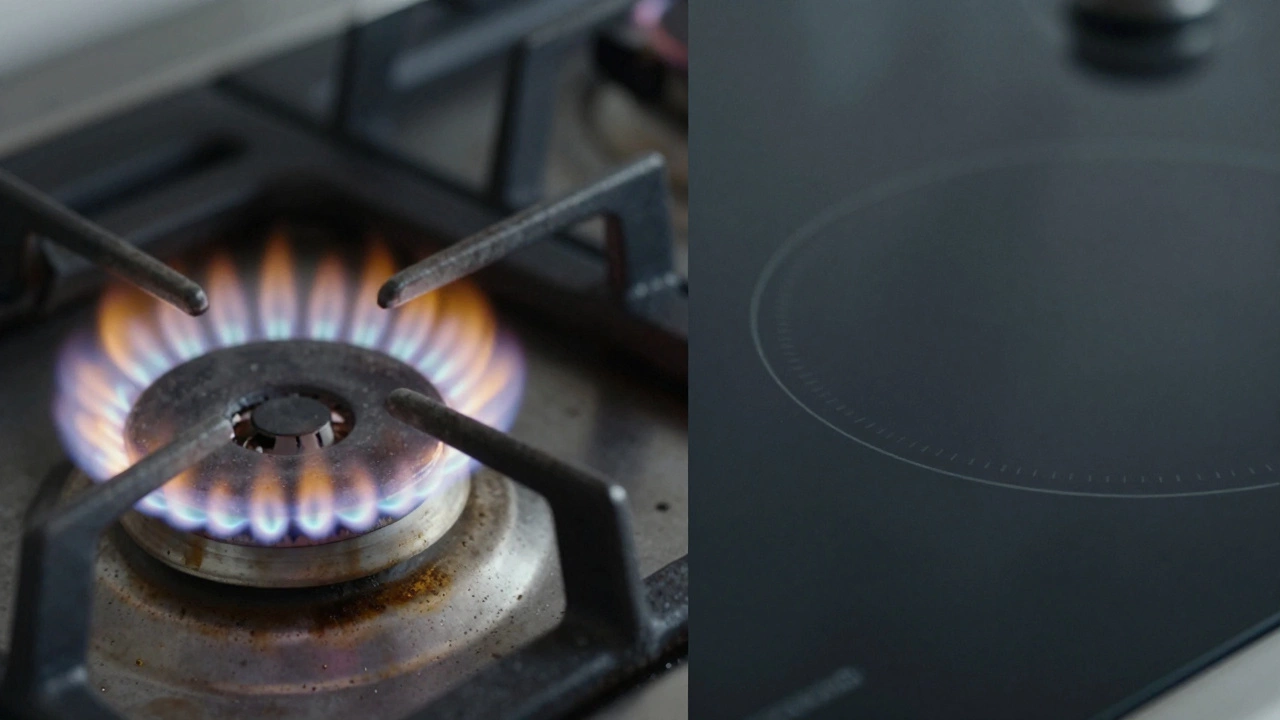
- Average annual cost of running a gas cooktop: $180-$250 AUD
- Average annual cost of running an induction cooktop: $90-$140 AUD
- Lifespan of a typical gas hob: 10-15 years
- Lifespan of an induction hob: 15-20+ years
So while gas may feel like the “cheaper” option today, electric alternatives often win out over five to ten years. Plus, many councils now offer rebates for switching away from fossil fuels-check with your local council or SA Power Networks for current incentives.
Safety Concerns: Is Your Gas Appliance Risking Your Health?
Gas appliances aren’t inherently dangerous-but they do come with risks that electric ones don’t. Carbon monoxide leaks, incomplete combustion, and pilot light failures can lead to serious health issues, including headaches, nausea, and even poisoning. The National Ambulance Service reports hundreds of non-fatal CO incidents each year linked to faulty gas heaters and stoves.
Newer gas appliances include built-in safety features like automatic shut-off valves and oxygen depletion sensors. But if yours is older than 15 years, those protections may be missing or worn out. Regular maintenance helps, but how often are you really getting your boiler or water heater inspected?
How do I know if my gas appliance is leaking carbon monoxide?
Look for yellow or flickering flames instead of steady blue ones. You might also notice soot buildup around the burner or frequent extinguishing of the pilot light. If anyone in your household experiences unexplained dizziness or fatigue, install a carbon monoxide detector immediately.
Electric Alternatives: What Are You Switching To?
If you decide to say goodbye to gas, what replaces it? Let’s break down the main options available in 2026.
| Feature | Induction Cooktop | Ceramic Hob | Traditional Electric Stove |
|---|---|---|---|
| Energy Efficiency | High (~90%) | Moderate (~70%) | Low (~60%) |
| Heating Speed | Very Fast | Medium | Slow |
| Installation Complexity | Requires dedicated circuit | Standard outlet | Standard outlet |
| Upfront Cost (AUD) | $800-$1,500 | $400-$900 | $300-$700 |
| Compatibility with Existing Pots | No - needs magnetic pans | Yes | Yes |
Induction hobs are the top choice for most households making the switch. They heat food faster, use less energy, and cool down quickly after turning off. However, you’ll need to invest in compatible cookware unless you want to stick with ceramic or traditional electric coils.
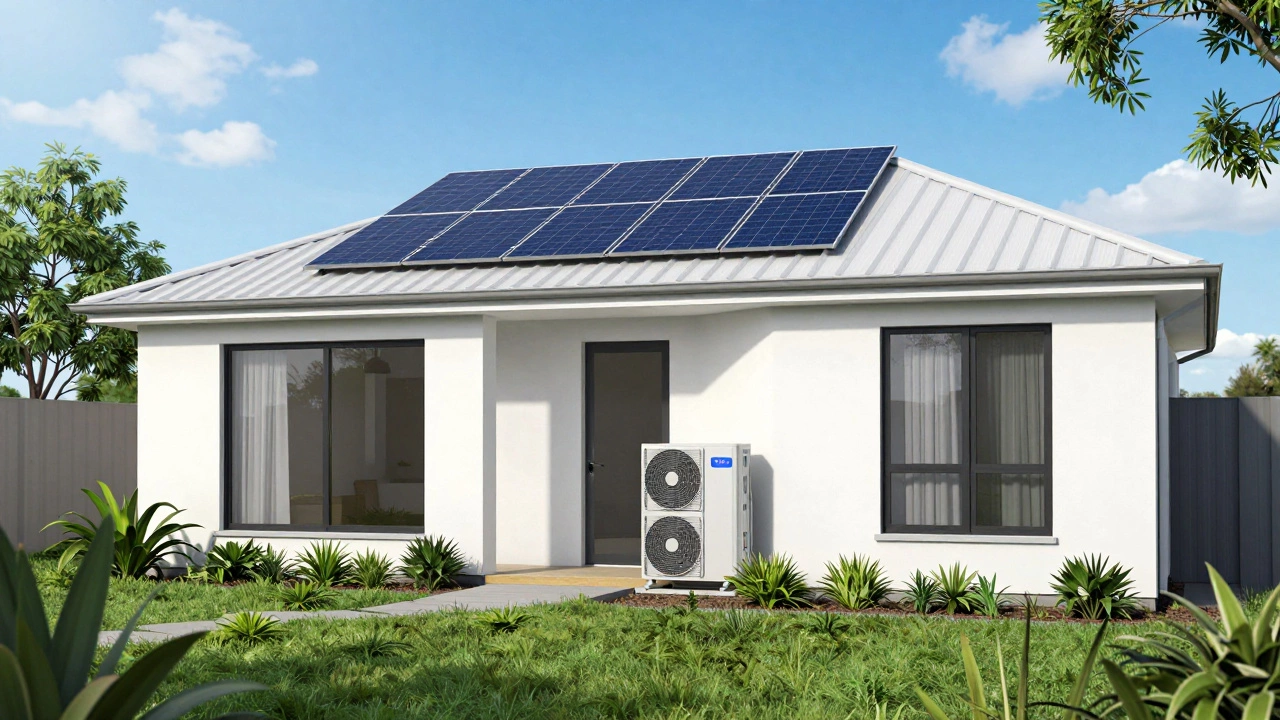
For heating and hot water, consider replacing your gas boiler with a heat pump. These systems pull warmth from outside air and transfer it indoors, using up to 70% less energy than conventional gas boilers. In Adelaide’s mild climate, air-source heat pumps perform exceptionally well year-round.
What About Environmental Impact?
Even if you’re not worried about saving money or improving indoor air quality, there’s another reason to think twice about gas: climate change. Burning natural gas releases methane-a potent greenhouse gas-as well as CO₂ during combustion. Even small leaks from aging pipes contribute significantly to global warming.
Australia has committed to net-zero emissions by 2050, and states like South Australia are leading the charge with renewable energy targets. By switching to electric appliances powered by solar panels or green grid electricity, you’re helping reduce demand for fossil fuels and supporting cleaner infrastructure.
One study published in the *Journal of Cleaner Production* found that households transitioning fully to electric reduced their carbon footprint by an average of 1.2 tonnes per year. Multiply that across millions of homes, and the impact becomes massive.
When Does It Make Sense to Keep Gas?
Not every situation calls for a full teardown. There are valid reasons to hold onto your gas appliances-for now.
- Your home already has gas connected: Removing service lines costs extra and requires licensed plumbers.
- You live in a rental property: Landlords typically control major upgrades.
- You rely on gas backup power: Some areas experience blackouts; gas ovens still work without electricity.
- You love open-flame cooking: Chefs swear by the responsiveness and flavor profile of gas flames.
In these cases, focus on maintaining your existing equipment. Schedule annual inspections, replace filters regularly, and upgrade only when necessary. Think of it as delaying the inevitable rather than avoiding it entirely.
Step-by-Step: How to Transition Away From Gas
Ready to make the leap? Here’s a simple roadmap to guide you through the process.
- Assess your current setup: List all gas-powered devices-cooktops, ovens, water heaters, space heaters-and note their age and condition.
- Check eligibility for rebates: Visit [SA Government Website] or contact your energy provider for available incentives.
- Choose replacement technologies: Decide whether induction, ceramic, or heat pumps fit your lifestyle and budget.
- Hire certified professionals: Ensure installations meet AS/NZS standards and comply with local building codes.
- Dispose of old units responsibly: Many retailers accept trade-ins or arrange recycling programs.
- Update insurance policies: Notify your insurer about changes to avoid coverage gaps.
Pro tip: Start with the easiest wins first. Swap out your cooktop before tackling the water heater-it’s quicker, cheaper, and gives you immediate feedback on how much you’ll enjoy electric cooking.
Frequently Asked Questions
Can I convert my gas oven to electric easily?
No, conversion kits exist but are rarely worth the hassle. Most experts recommend replacing the entire unit rather than modifying it. Conversion parts are expensive, installation is complex, and performance won’t match purpose-built electric models.
Will my electricity bill go up if I switch everything to electric?
It depends on your usage patterns and tariff structure. While electricity rates vary, efficient appliances like induction hobs and heat pumps often lower overall consumption. Pairing them with rooftop solar can further offset costs.
Is it safe to leave my gas meter disconnected?
Yes, once properly sealed by a licensed plumber, leaving the meter inactive poses no risk. Just ensure any internal piping is flushed and capped to prevent corrosion or accidental ignition.
Do I need permission from my landlord to remove gas appliances?
Absolutely. Any structural modification requires written consent. Tenants should discuss plans ahead of time and explore temporary solutions like portable induction plates until ownership allows permanent changes.
How long does it take to install a new heat pump system?
Typically two to three days for a standard split-system setup. Larger multi-zone installations may require additional planning and permits. Always hire accredited technicians familiar with South Australian regulations.