Stove Repair vs. Replacement Calculator
Enter the estimated costs below to see if repairing your 15-year-old stove makes financial sense.
Enter values to compare costs.
There is nothing quite as frustrating as pulling out your dinner, only to realize the stove is refusing to heat up or the oven temperature is wildly inaccurate.
If your appliance is sitting at the 15-year mark, you are likely standing in a kitchen dilemma: do you spend money on a repair that might just be a temporary fix, or do you bite the bullet and buy a new one? This is a common crossroads for homeowners in Adelaide and beyond. The short answer isn't a simple yes or no; it depends entirely on the type of failure, the fuel source, and your budget.
The General Rule of Thumb for Appliance Lifespan
To make an informed decision, we first need to look at the expected lifespan of cooking appliances. Most major manufacturers design gas cookers and electric ovens to last between 10 and 15 years. Some high-end models can push past 20 years with proper maintenance, but by year 15, your appliance is officially considered "senior citizen" status.
At this stage, parts wear out more frequently. Seals degrade, heating elements become brittle, and control boards suffer from thermal stress over thousands of cycles. If your stove has been running smoothly until now, that’s great news. But if you’ve already had minor repairs in the last two years, the clock is ticking louder.
When Repair Makes Financial Sense
Not all breakdowns are created equal. Sometimes, a cheap fix can extend the life of your stove for another few years, saving you thousands of dollars upfront. Here are scenarios where repairing a 15-year-old unit is often worth it:
- Minor Component Failures: If the issue is a faulty igniter, a broken door seal, or a stuck knob, these are relatively inexpensive fixes. A new igniter might cost $50-$100 plus labor, whereas a new stove costs significantly more.
- Gas Safety Issues: If you have a gas stove and suspect a leak or pilot light issue, immediate repair is non-negotiable for safety. However, if the burners are failing due to age, replacement might be safer long-term.
- Budget Constraints: If replacing the entire unit stretches your finances thin, a targeted repair can bridge the gap until you can afford an upgrade.
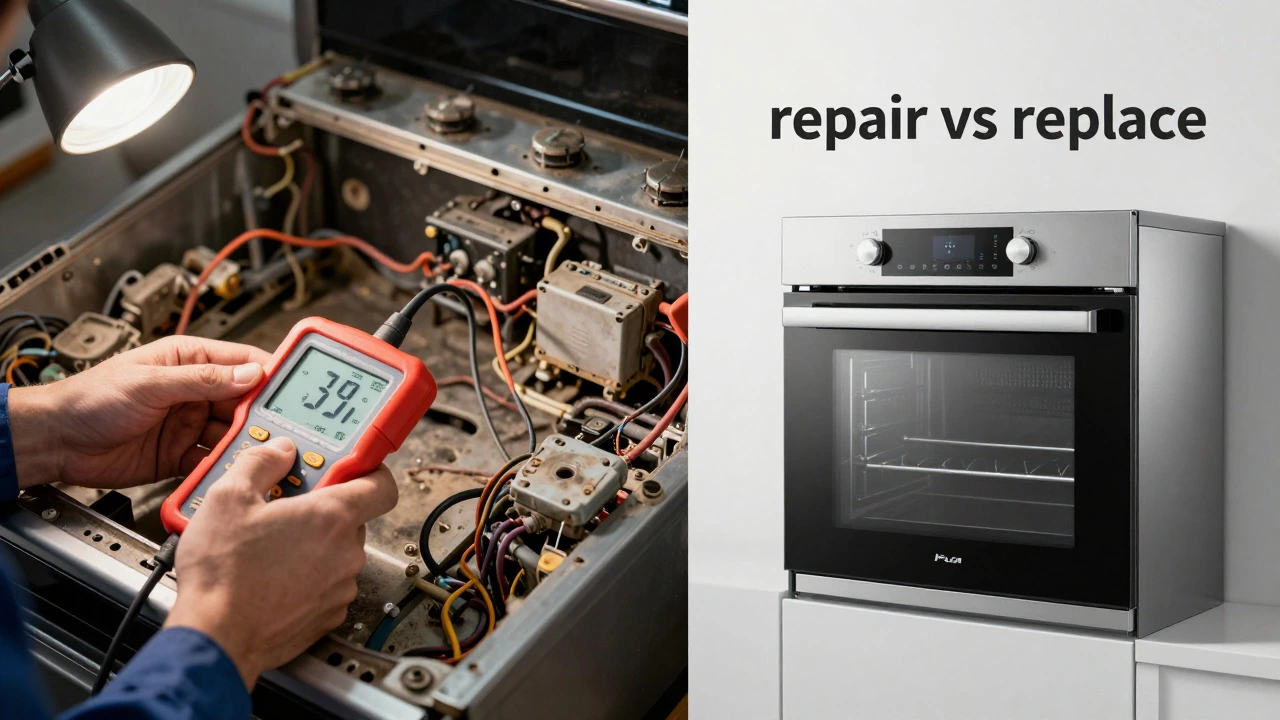
The key here is the "50% Rule." If the cost of the repair exceeds 50% of the price of a comparable new appliance, replacement is usually the smarter financial move. For example, if a new mid-range stove costs $800 and the repair quote is $450, you’re better off buying new.
When Replacement Is the Better Choice
Conversely, there are clear signs that your 15-year-old stove is done. Pushing for repairs in these cases often leads to a cycle of diminishing returns:
- Control Board Failure: The electronic brain of modern stoves is expensive to replace. If the main control board fails, the repair cost can easily hit $300-$600. Given the age, other components are likely next in line to fail.
- Efficiency Loss: Older ovens lose heat through degraded insulation and warped doors. You might not notice it immediately, but your energy bills could be higher than necessary. Newer models are significantly more energy-efficient, which pays back over time.
- Availability of Parts: Manufacturers sometimes discontinue support for older models. If a technician tells you they need to order a part that may never arrive, don’t wait. Buy a new stove.
- Aesthetic and Functional Upgrades: Modern stoves offer features like self-cleaning cycles, convection fans, and precise digital controls. If your current stove lacks these, replacement improves your daily cooking experience.
Gas vs. Electric: Different Considerations
The type of fuel your stove uses changes the equation slightly. Gas appliances tend to have longer lifespans because they rely less on complex electrical components for heating. An electric stove, however, depends heavily on heating elements and wiring, which degrade faster under high heat.
| Factor | Repair (15-Year-Old) | Replace (New Model) |
|---|---|---|
| Upfront Cost | $100 - $500 (varies by part) | $800 - $2,500+ |
| Lifespan Extension | 1-3 years (estimated) | 10-15+ years |
| Energy Efficiency | Low (older tech) | High (modern standards) |
| Safety Risk | Higher (aging wires/seals) | Lower (new safety certs) |
| Warranty | 90 days on parts/labor | 1-5 years manufacturer warranty |
For gas users, check for carbon monoxide leaks. An old gas valve or burner assembly can pose serious health risks. If your stove is electric, inspect the heating elements for cracks or discoloration. If multiple elements are failing, replacement is almost always the better path.
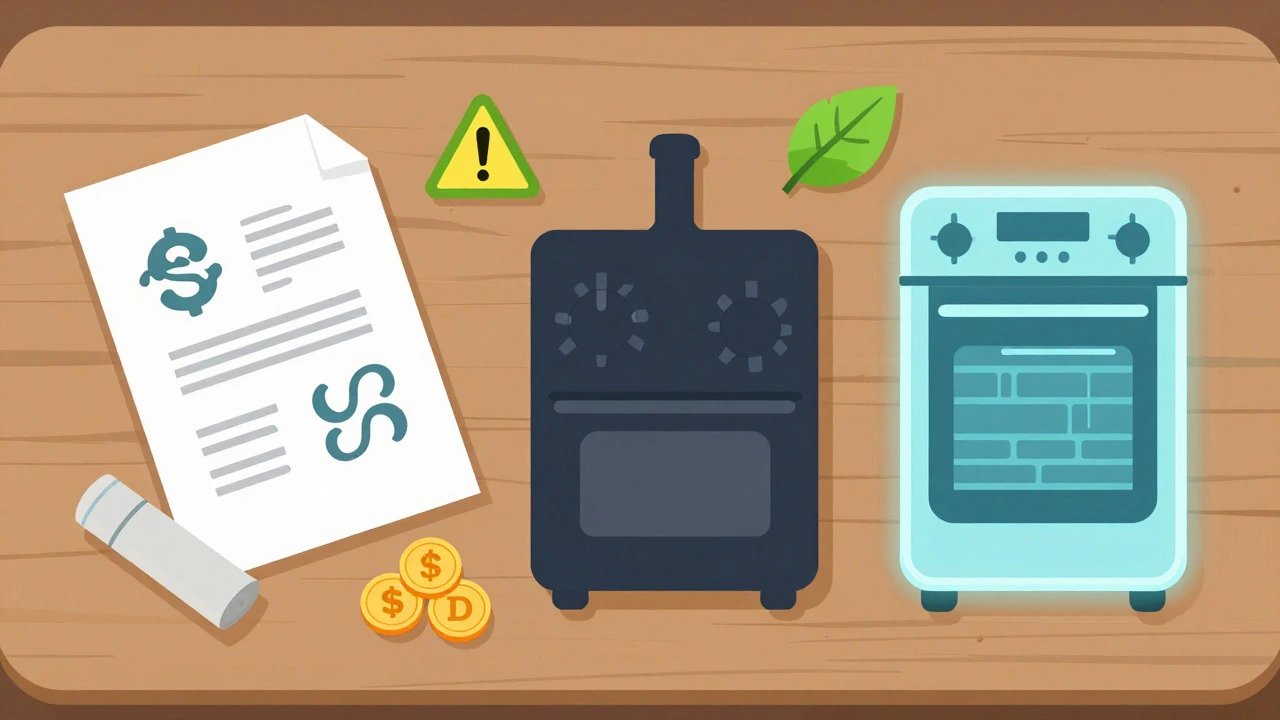
Hidden Costs and Environmental Impact
We often forget about the hidden costs of keeping an old appliance alive. Beyond the repair bill, consider the disposal fees if you eventually replace it. Many local councils in South Australia charge for bulky waste removal. Buying a new stove often includes haul-away services, which simplifies the process.
Environmentally, repairing is generally greener than replacing, as it reduces e-waste. However, if the repair requires rare parts or extensive energy to manufacture, the benefit shrinks. Modern appliances are built with recyclable materials and energy-saving technologies. Switching to a new, efficient model can reduce your household’s carbon footprint over its lifetime.
How to Make the Final Decision
Before calling a technician or heading to the store, ask yourself these questions:
- What is the exact problem? Get a diagnosis. Don’t pay for a guess.
- How much will the repair cost? Get written quotes from at least two reputable technicians.
- How much is a comparable new stove? Check prices online or in-store for similar features and size.
- Do I love my current stove? If it’s a premium brand you adore, repair might be worth it. If it’s a basic model you tolerate, replace it.
- Are there safety concerns? Any doubt about gas leaks or electrical faults means replace immediately.
If the repair is under $200 and the issue is minor, go ahead and fix it. If the quote is over $400, start shopping for a new stove. Remember, a new appliance comes with a warranty, peace of mind, and improved performance. Your 15-year-old workhorse has served you well, but it might be time to let it retire.
How long should a stove last?
Most stoves last between 10 and 15 years. Gas models often reach the upper end of this range, while electric models may start showing significant wear closer to the 10-year mark. Regular maintenance can extend this lifespan, but efficiency and reliability decline after 15 years.
Is it safe to use a 15-year-old gas stove?
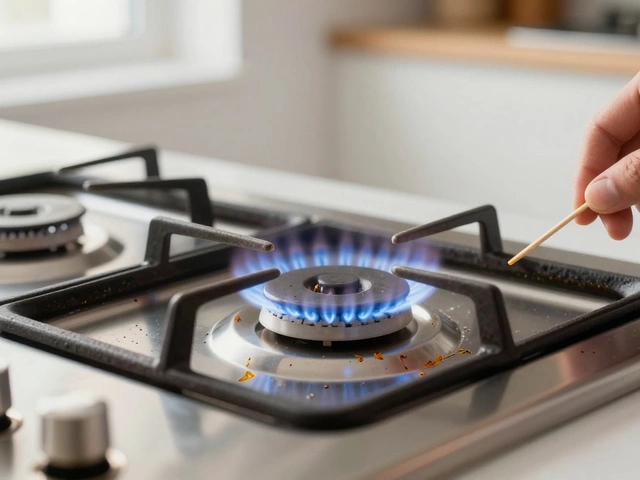
It can be safe if it has been regularly maintained and inspected. However, aging gas valves, flexible connectors, and burners increase the risk of leaks or incomplete combustion. If you smell gas, see yellow flames instead of blue, or experience frequent pilot light failures, have it inspected immediately or consider replacement.
What is the most common reason stoves break after 15 years?
The most common issues are failed heating elements (electric), faulty igniters or thermocouples (gas), and degraded door seals. Electronic control boards also fail frequently due to heat exposure over many years. These components wear out naturally with use.
Should I repair or replace if the oven door won’t stay shut?
If the hinges are broken, repair is often worth it as hinge kits are relatively inexpensive. However, if the door glass is cracked or the seal is completely gone, replacement is safer. A poorly sealed oven loses heat, wastes energy, and can pose a burn hazard.
Can I install a new stove myself?
Electric stoves can often be installed by DIYers if you are comfortable disconnecting power and handling heavy appliances. Gas stoves require professional installation in most areas, including Adelaide, to ensure proper gas line connections and leak testing. Always check local regulations.