Emergency Heating Cost Calculator
Estimated Weekly Cost
per week
Pro Tip: Reducing usage by just 2 hours a day could save you approximately $0.00 per week.
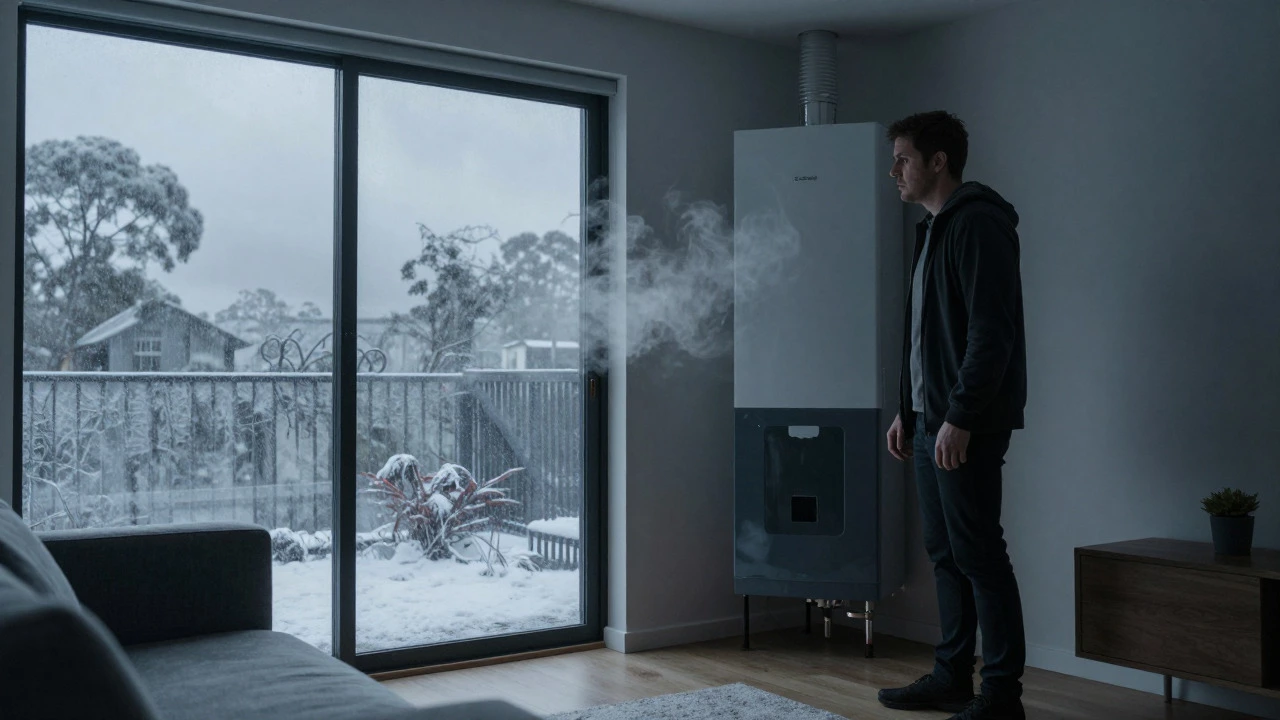
It’s the middle of July in Adelaide. The wind is howling outside, the temperature has dropped below freezing, and you turn the dial on your boiler, only to find nothing happens. No warmth. No hot water. Just silence. Panic sets in immediately because you know that without central heating, the house will become unlivable within hours.
This is a nightmare scenario for any homeowner. You are not alone in this stress. When a boiler fails during peak winter, you need immediate action, not just a repair quote for next week. The goal right now isn't just comfort; it's preventing hypothermia, protecting pipes from bursting, and keeping your family safe.
Step One: Secure the Scene and Call for Help
Before you rush to buy heaters or wrap yourself in blankets, you must address the broken system itself. A broken boiler can be dangerous. If you smell gas (that distinct rotten egg scent), hear hissing, or see soot around the appliance, evacuate the house immediately. Do not touch light switches or create sparks. Call Gasworks or your emergency gas fitter from outside.
If there is no gas leak, turn off the power to the boiler at the switch near the unit and isolate the gas supply if you know how to do so safely. This prevents further damage and ensures safety while you wait for repairs. Contact a licensed plumber or heating engineer. In South Australia, ensure they hold a current license. Ask for an emergency call-out fee structure upfront, as these services are premium-priced but necessary when temperatures plummet.
Choosing the Right Temporary Heat Source
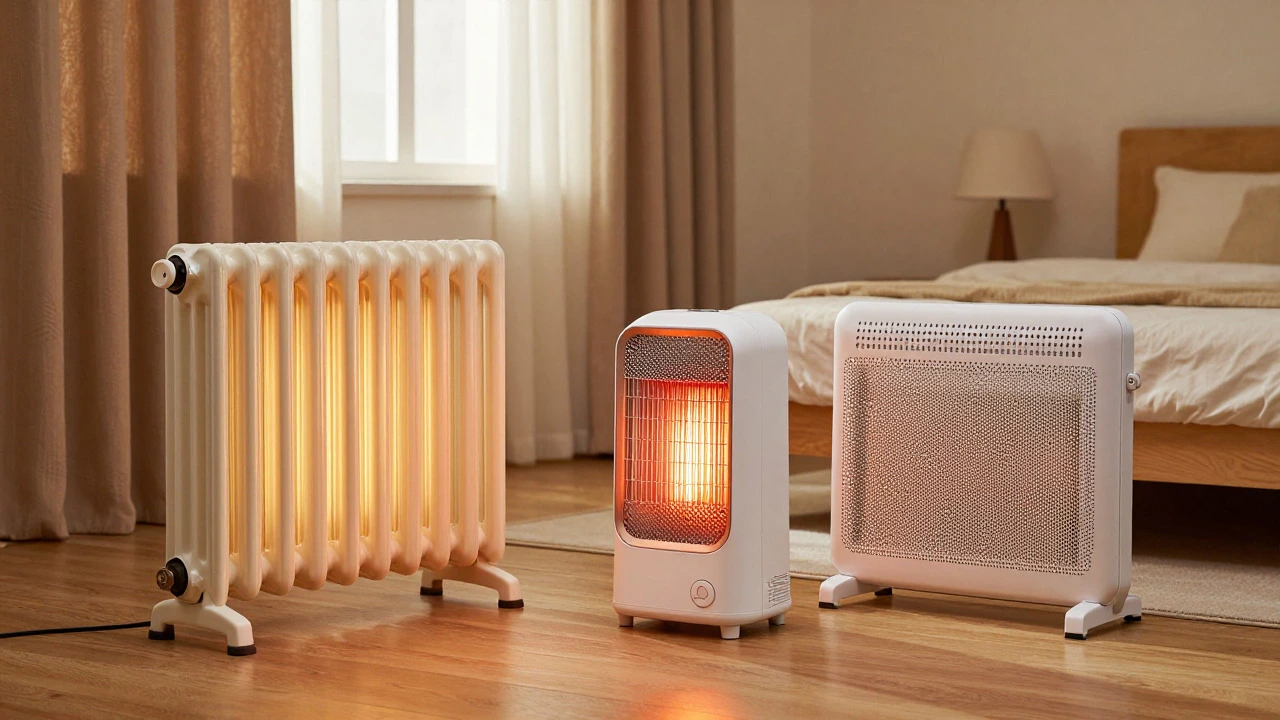
Once the immediate danger is ruled out, you need heat. But not all heaters are created equal, especially in an emergency. You need something that provides rapid warmth, is safe to run overnight, and doesn't rely on the broken central system.
| Heater Type | Speed of Heat | Safety Risk | Best For |
|---|---|---|---|
| Ceramic Fan Heater | Instant | Low (if tipped-over switch works) | Small rooms, quick bursts of warmth |
| Oil-Filled Radiator | Slow (15-30 mins) | Very Low | Overnight heating, large open spaces |
| Infrared Panel Heater | Instant (spot heat) | Low | Sitting areas, direct body warmth |
| Kerosene Heater | Fast | High (CO risk, fire hazard) | Well-ventilated garages/sheds ONLY |
Avoid using kerosene or paraffin heaters inside your main living areas unless they are specifically designed for indoor use with adequate ventilation. Carbon monoxide (CO) is odorless and deadly. Always install battery-operated CO detectors if you haven't already. Electric options like oil-filled radiators are safer for unattended use because they don't have exposed heating elements that can ignite curtains or clothes.
Strategic Room Zoning: Don't Heat the Whole House
Trying to heat every room in your home with portable units is expensive and often ineffective. Your electricity bill will skyrocket, and you may trip your circuit breakers. Instead, adopt a "zone heating" strategy.
Identify one or two core zones where your family spends the most time. Usually, this is the living room and perhaps one bedroom. Seal off these rooms by closing doors and using draft excluders under the door gaps. This traps the heat generated by your portable heaters. Use thermal curtains or even heavy blankets over windows at night to reduce heat loss through glass, which is a major source of energy leakage.
Protecting Your Home Infrastructure
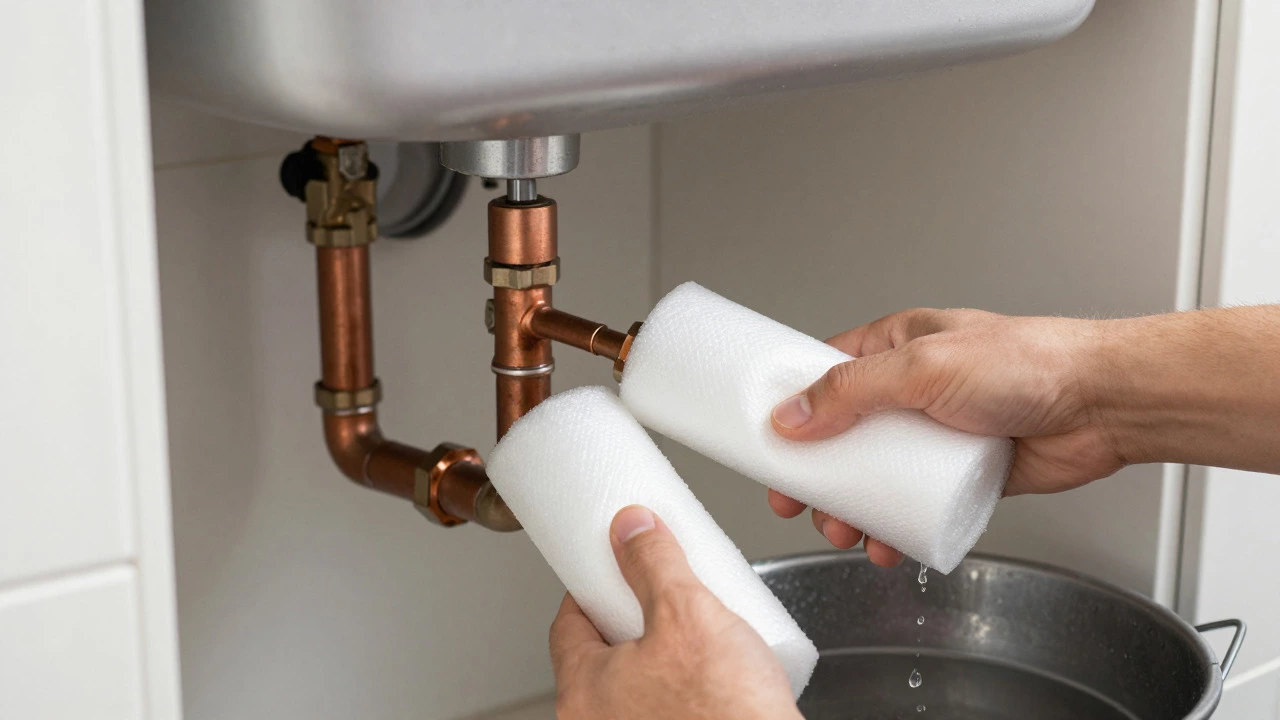
While keeping people warm is priority number one, you also need to protect your house. Frozen pipes are a secondary disaster that can cause thousands of dollars in water damage. In Adelaide's cold snaps, outdoor taps and pipes in uninsulated walls are vulnerable.
- Insulate exposed pipes: Use foam pipe insulation sleeves available at any hardware store. Wrap them tightly around copper pipes under sinks and outside.
- Let taps drip: A slow trickle of water keeps pressure moving and reduces the chance of freezing solid. Collect the water in a bucket for later use.
- Open cabinet doors: Allow warm air from the room to circulate around plumbing under kitchen and bathroom sinks.
If you plan to leave the house for work, consider setting a smart plug timer for your oil-filled radiator to turn on before you return. This ensures the house isn't completely frozen when you walk in, but avoid leaving high-wattage fan heaters running unattended.
Personal Warmth Hacks That Actually Work
Technology helps, but biology matters too. Your body generates heat, and you can conserve it effectively.
Layer up. Cotton wicks moisture away from skin but holds it against you when wet, making you colder. Wear wool or synthetic base layers. Wool socks are non-negotiable. Keep a pair of dry socks in the bedroom to change into if your feet get damp during the day.
Eat and drink warm things. Hot soup, tea, or coffee raises your internal temperature slightly. Avoid alcohol; it dilates blood vessels, making you feel warm temporarily but actually causing you to lose body heat faster.
Use heated blankets or electric throws directly on your lap or bed. These use far less energy than heating the entire room air volume. An electric blanket set to low can make a cold bedroom sleepable without needing a powerful space heater running all night.
When to Consider Alternative Accommodation
If your boiler repair is delayed beyond 48 hours and the temperature drops significantly, assess your health risks. Elderly relatives, infants, or those with respiratory conditions are at higher risk. In extreme cases, staying with friends, family, or booking a budget hotel might be the safest option. It’s better to spend $100 on a night’s stay than risk medical emergencies from prolonged exposure to cold.
Check with your home insurance policy. Some policies cover "alternative accommodation" costs if your home becomes uninhabitable due to essential service failure. Keep receipts for any hotels or meals incurred during the outage.
Preventing Future Boiler Failures
Once the crisis passes, don’t let the boiler go unchecked. Most failures are preventable. Schedule an annual service with a qualified technician. They will check for leaks, test pressure, clean burners, and ensure safety devices are functioning. Ignoring maintenance leads to catastrophic breakdowns exactly when you need the system most.
Consider upgrading to a heat pump if your boiler is old. Heat pumps are highly efficient, provide both heating and cooling, and are increasingly popular in Adelaide due to their reliability and lower running costs compared to gas boilers. While the upfront cost is higher, the long-term savings and peace of mind are significant.
Can I use a fireplace if my boiler is broken?
Yes, if you have a working wood-burning fireplace or stove. Ensure the flue is clear and chimneys are swept annually to prevent carbon monoxide buildup. Wood fires provide excellent radiant heat but require constant attention and fuel management.
Is it safe to sleep with a fan heater on?
Generally, no. Fan heaters have exposed elements and blow dust around, which can irritate lungs. They also pose a fire risk if knocked over. Oil-filled radiators or infrared panels are much safer for overnight use as they have no moving parts and cool surfaces.
How long does it take to fix a broken boiler?
Simple issues like reset errors or low pressure can be fixed in under an hour. Major component failures like a broken pump or heat exchanger may require ordering parts, taking 2-5 days. Emergency plumbers often prioritize critical repairs to restore basic function quickly.
Will my electricity bill explode if I use space heaters?
It depends on usage. Running a 2kW heater for 10 hours a day can add $10-$20 to your weekly bill depending on your tariff. To minimize costs, zone heat only occupied rooms, use timers, and keep thermostat settings moderate (18-20°C).
What should I do if my pipes burst?
Turn off the main water valve immediately to stop the flow. Open faucets to drain remaining pressure. Contact a plumber for repairs and document the damage for insurance claims. Mitigate water spread with towels and buckets.