Extractor Fan Repair vs. Replace Calculator
Fan Assessment Details
Ready to Decide?
Fill out the form to get a personalized recommendation based on industry standards.
Estimated Cost: --
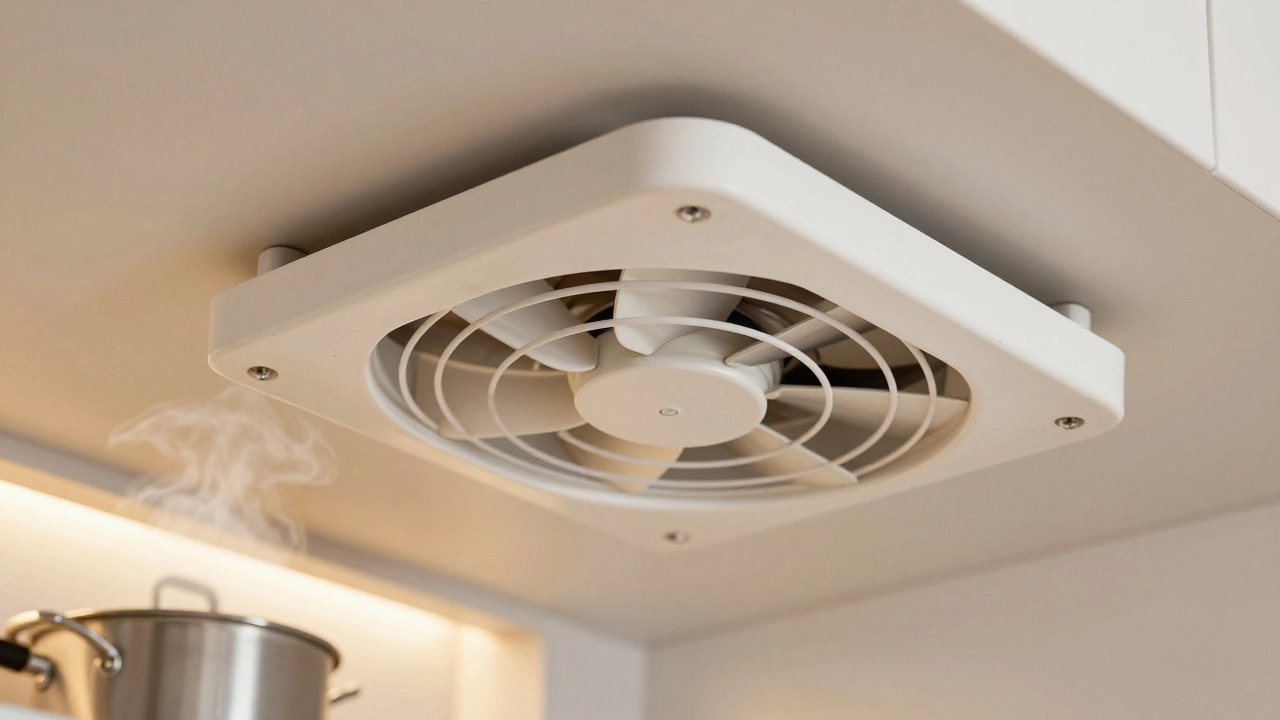
That high-pitched whine coming from your kitchen ceiling isn't just annoying; it's a warning. You might be wondering if extractor fans actually wear out or if they are built to last forever. The short answer is yes, they do wear out, but not all at once. Unlike lightbulbs that simply burn out, these mechanical devices degrade gradually through friction, heat, and electrical stress.
Ignoring the early signs of failure can lead to bigger problems than just a noisy room. A failing motor can overheat, potentially causing fire hazards in extreme cases, or worse, it can stop pulling moisture out of your bathroom, leading to mold growth. Understanding how long an extractor fan lasts and what causes premature failure helps you decide whether to call for extractor fan repair or buy a new unit.
How Long Do Extractor Fans Last?
The average lifespan of a standard household extractor fan is between 10 and 15 years. However, this number fluctuates wildly based on usage patterns and maintenance habits. If you have a powerful inline fan running constantly in a busy restaurant kitchen, you might see replacement needs every 3 to 5 years. For a quiet bathroom fan used only during showers, 20 years is achievable.
Several factors dictate this timeline:
- Bearing Quality: Ball bearings last significantly longer than sleeve bearings. High-end models often use sealed ball bearings that resist dust ingress.
- Duty Cycle: Fans that run continuously (like those with humidity sensors) experience more thermal expansion and contraction, stressing the motor windings.
- Vibration: Poor installation causes vibration, which loosens screws and damages internal components over time.
If your fan is older than 10 years and starting to make noise, you are likely looking at the end of its functional life unless it’s a simple fix like a loose grille.
Early Warning Signs: Is Your Fan Dying?
You don’t need to be an electrician to spot trouble. Most extractor fans give clear signals before they completely fail. Pay attention to these three major indicators:
1. Unusual Noises
The most common sign is sound. A healthy fan hums quietly. A dying fan screams, rattles, or clicks. A high-pitched squeal usually means the motor bearings are dry and grinding against each other. A rattling noise often indicates that the fan blades have become unbalanced due to heavy grease buildup or a broken blade.
2. Reduced Airflow
If you cook a curry and the smell stays in the room for hours, your fan might still spin, but it’s not moving air efficiently. This could be a blocked duct, a clogged filter, or a motor losing torque. In kitchens, grease acts like glue, weighing down the impeller blades until the motor can no longer overcome the resistance.
3. Intermittent Operation
Does the fan cut out randomly? Or does it struggle to start when you flip the switch? This often points to failing capacitors or worn-out brushes in universal motors. Capacitors help the motor get enough "oomph" to start spinning; when they weaken, the motor stalls or runs sluggishly.
Repair vs. Replace: Making the Right Call
This is the biggest decision homeowners face. Should you spend £80-£150 on extractor fan repair, or just buy a new one for £100-£200? Here is a practical framework to help you decide.
| Symptom | Likely Cause | Action |
|---|---|---|
| Rattling Noise | Loose grille or foreign object | DIY Fix: Tighten screws or remove debris. |
| High-Pitched Squeal | Dry or worn bearings | Replace: Bearing replacement is rarely cost-effective for standard units. |
| No Airflow but Spinning | Blocked duct or dirty filter | Clean: Clean the ductwork and washable filters. |
| Fan Won't Start | Failed capacitor or motor | Repair/Replace: Check capacitor first (£10 part); if motor is dead, replace unit. |
| Burning Smell | Overheating motor or electrical fault | Replace Immediately: Fire hazard risk. |
Generally, if the issue is external (dirt, loose parts, blocked vents), clean or tighten it. If the issue is internal (motor noise, electrical failure), replacement is usually the smarter financial move, especially for budget models where labor costs exceed the price of a new fan.
Common Causes of Premature Wear
Why do some fans die at year five while others survive two decades? It comes down to environment and maintenance.
Grease Buildup (Kitchens):
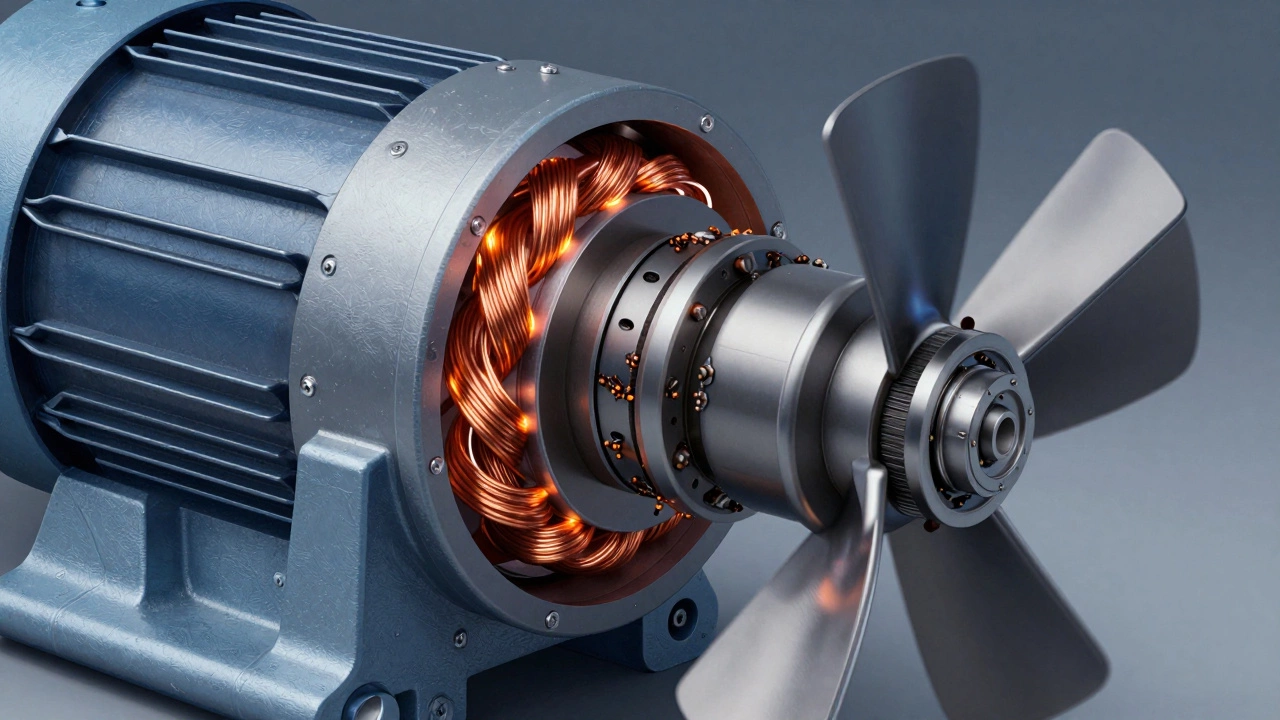
In kitchen environments, airborne fats condense on the fan blades and housing. Over time, this creates a thick layer of grease that adds weight and imbalance. The motor works harder to spin the heavier impeller, generating excess heat that degrades the insulation on the copper windings inside the motor.
Mold and Moisture (Bathrooms):
Bathroom fans deal with steam. If the fan doesn't pull air effectively, moisture lingers, promoting mold growth on the blades and housing. Mold can corrode metal components and add friction. Additionally, constant exposure to humidity can cause corrosion in the electrical connections and switches.
Poor Ventilation Design:
If your ductwork is too long, has too many bends, or uses flexible plastic ducting instead of rigid pipes, the fan faces excessive back-pressure. This forces the motor to operate under constant strain, much like driving a car in first gear at high speed. It leads to rapid overheating and burnout.
Extending the Life of Your Extractor Fan
You can easily add several years to your fan's life with minimal effort. Regular maintenance is key.
- Clean the Grille Monthly: Wipe down the front cover to prevent dust and grease from entering the mechanism.
- Check Filters Quarterly: If your fan has a mesh or carbon filter, clean or replace it. A clogged filter restricts airflow, forcing the motor to work harder.
- Inspect Duct Annually: Ensure the external vent flap opens freely and isn't blocked by bird nests or leaves.
- Lubricate Bearings (If Applicable): Some industrial or high-end residential fans allow for bearing lubrication. Consult your manual. Never oil sleeve bearings unless specified, as it can attract more dust.
Also, consider upgrading to a timer or humidity sensor switch. These ensure the fan runs for the optimal amount of time after you leave the room, removing residual moisture without running unnecessarily, which saves energy and reduces wear.
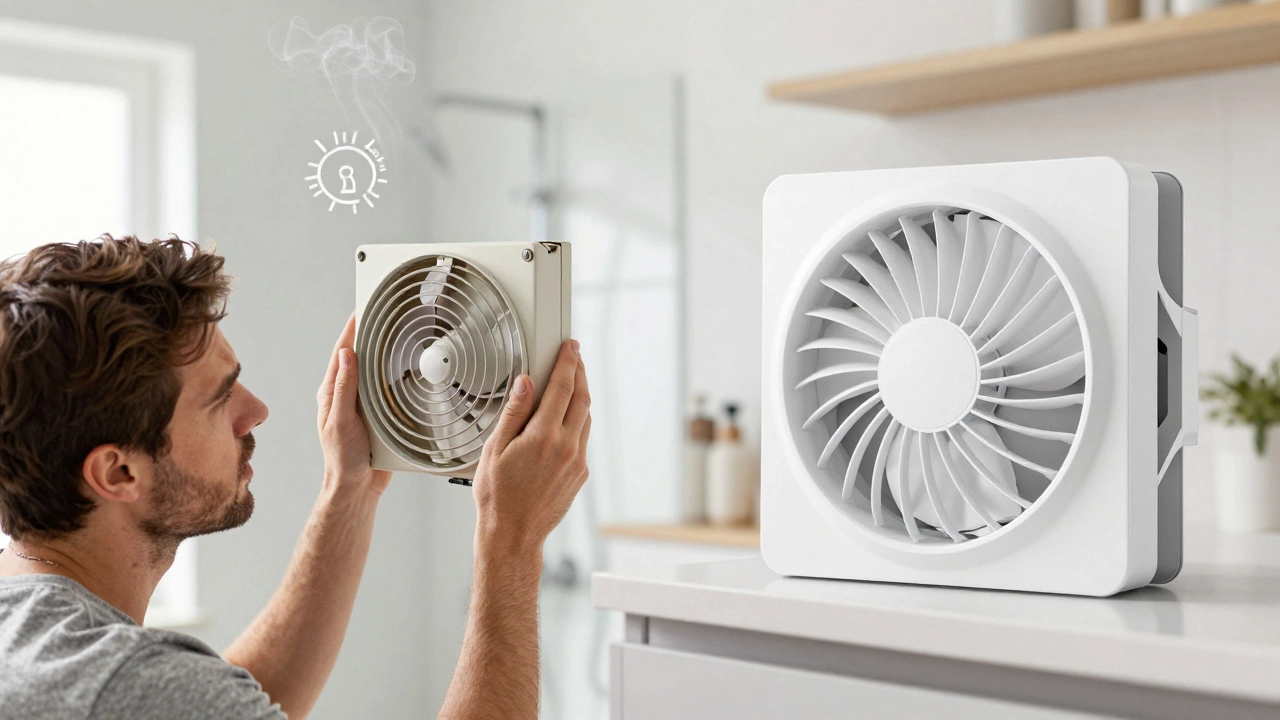
When to Call a Professional
While cleaning is safe for DIYers, electrical repairs require caution. Call a qualified electrician or appliance repair technician if:
- The fan trips the circuit breaker repeatedly.
- You smell burning plastic or wire insulation.
- The wiring behind the fan looks damaged or old.
- You are unsure about disconnecting power safely.
A professional can also diagnose issues with the ductwork pressure, which might be invisible to the naked eye but fatal to the motor's longevity.
FAQ
Can I repair a squealing extractor fan myself?
It depends on the cause. If the squeal is due to dirt or grease, cleaning the blades might help. However, if the noise is a high-pitched whine from the motor bearings, it is usually not worth repairing. The cost of replacing bearings often exceeds the price of a new fan, and the process requires disassembling the motor, which can void warranties or create safety risks.
How often should I clean my kitchen extractor fan?
You should clean the accessible parts (grille and filters) every month. Deep cleaning of the internal fan blades and housing should be done every 6 to 12 months, depending on how much you cook. Grease buildup is the number one killer of kitchen extractor fans.
Is it cheaper to repair or replace an extractor fan?
For most standard household fans, replacement is cheaper. A basic new fan costs between £50 and £150. Professional repair labor alone can cost £80 to £120, plus parts. Only repair if the fan is a high-end model, if the issue is simple (like a bad capacitor), or if you are skilled enough to do it yourself.
Why does my extractor fan smell like burning?
A burning smell is a serious warning sign. It usually indicates that the motor is overheating due to friction from worn bearings, or that the electrical insulation inside the motor is melting. Turn off the fan immediately and do not use it until a professional inspects it. This is a potential fire hazard.
Can a blocked vent cause my extractor fan to break?
Yes. If the external vent is blocked by debris, birds, or ice, the fan cannot push air out. This creates back-pressure, causing the motor to stall and overheat. Running a fan against a closed vent for extended periods will quickly burn out the motor windings.