Dishwasher Repair vs. Replace Calculator
Enter the details below to determine if you should fix your current machine or invest in a new one using the industry-standard "50% Rule" and lifespan analysis.
Recommendation:
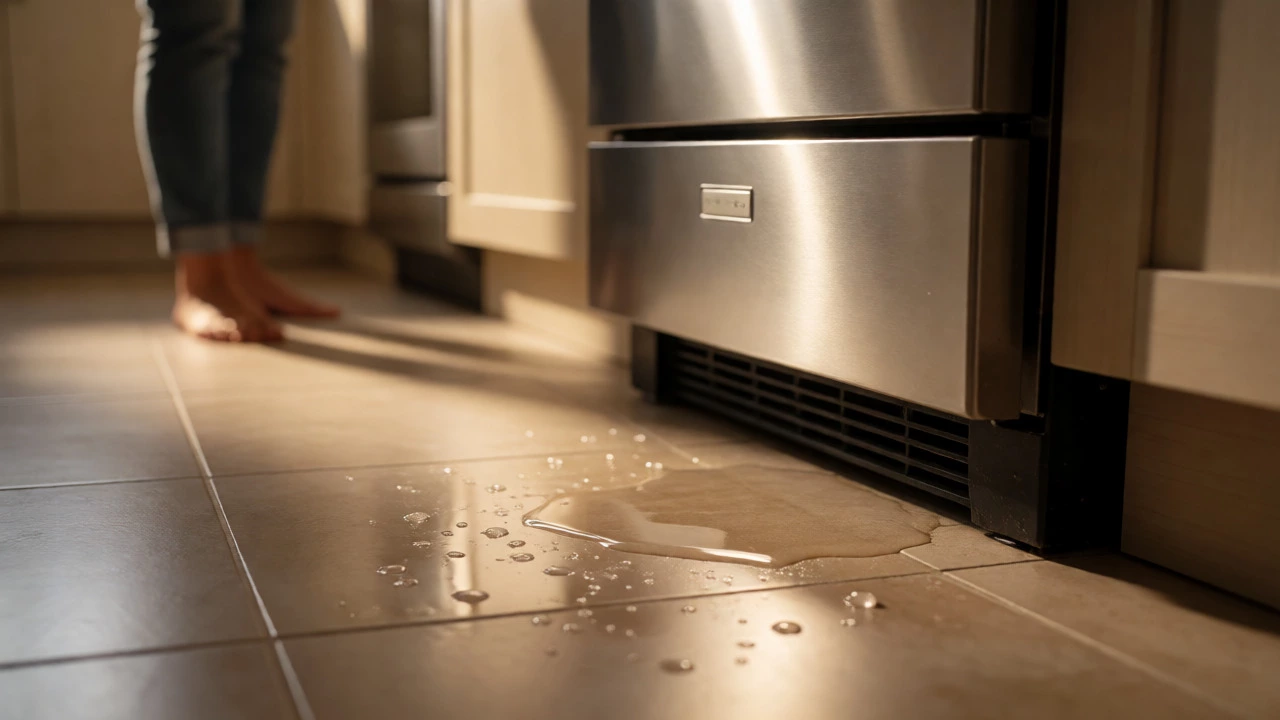
...You stand in your kitchen, staring at a puddle of soapy water spreading across the floor. Or maybe the machine just hums loudly but refuses to drain. The first thought that hits you is usually panic: "Do I need to buy a new one?" It’s a valid fear. New dishwashers are expensive, and installation can be a hassle. But before you start scrolling through online retailers, take a breath. Dishwasher repair is not only possible; it is often the smarter financial move.
The short answer to whether dishwashers can usually be repaired is yes. Most issues stem from simple mechanical failures or clogs that don’t require replacing the entire unit. However, the decision isn't always black and white. It depends on the age of the machine, the specific part that failed, and how much you paid for it originally. Let’s break down when you should call a technician and when you might actually be better off with a replacement.
When Repair Makes Sense (And When It Doesn’t)
Think of your dishwasher like a car. If your tires go flat, you fix them. If the engine blows up in a ten-year-old economy model, you might consider trading it in. The same logic applies here. There is a general rule of thumb used by many industry professionals known as the "50% Rule." If the cost of repairing your dishwasher exceeds 50% of the price of a new one, replacement is usually the better option.
But there’s more to it than just the sticker price. Consider the age of the appliance. The average lifespan of a modern dishwasher is between 7 and 10 years. If your machine is three years old and the pump fails, fixing it is almost always worth it because you still have several good years left. If it’s nine years old and the control board dies, putting $300 into it feels risky. You’re pouring money into a machine that might fail again next month due to other aging components.
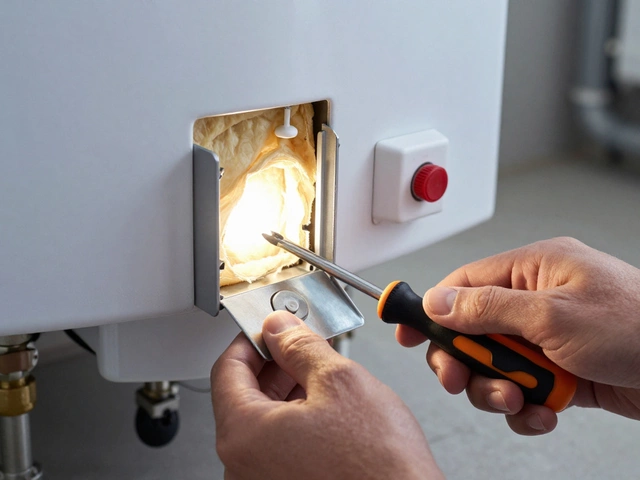
Another factor is the type of failure. Some parts are cheap and easy to swap. Others are labor-intensive nightmares. Replacing a door latch costs little. Replacing an integrated control panel inside a built-in cabinet requires disassembly, specialized tools, and hours of labor. Always ask your technician for a breakdown of parts versus labor costs before agreeing to the work.
Common Issues That Are Easy Fixes
A surprising number of "broken" dishwashers aren't broken at all. They’re just clogged or misused. Before you spend any money, check these common culprits. These fixes often cost zero dollars and take less than fifteen minutes.
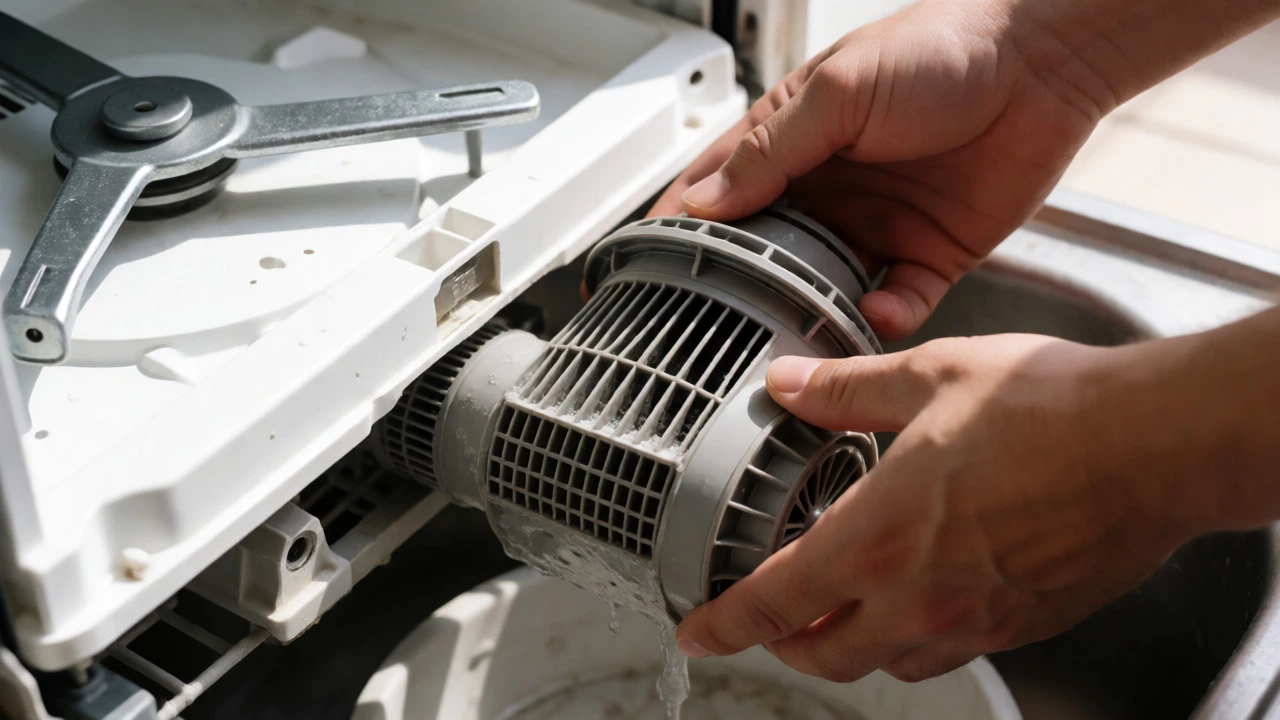
- Clogged Filters: This is the number one reason for poor cleaning performance. Food particles get trapped in the filter assembly at the bottom of the tub. Remove the lower rack, twist out the filter, rinse it under hot water, and scrub away grease. Put it back, and watch the difference.
- Jammed Spray Arms: Spin the spray arms by hand. Do they rotate freely? Sometimes a chicken bone or a piece of glass gets stuck underneath, preventing water distribution. Clearing this obstruction restores full pressure instantly.
- Drain Hose Kinks: Check the hose behind the machine. If it’s crushed against the wall or kinked, water can’t escape. Straightening it out solves drainage errors without a single tool.
- Door Latch Misalignment: If the door doesn’t click shut firmly, the machine won’t start for safety reasons. Sometimes adjusting the hinges or clearing debris from the latch mechanism fixes this immediately.
If you’ve checked these basics and the machine still acts up, you’re likely dealing with a component failure. Here is where professional diagnosis becomes valuable.
Major Component Failures and Repair Costs
When DIY checks fail, you’re looking at internal parts. Understanding what breaks helps you gauge if the repair is feasible. Below is a realistic look at common repairs based on current market averages in 2026.
| Component | Average Repair Cost | Complexity | Repair Recommendation |
|---|---|---|---|
| Water Inlet Valve | $150 - $250 | Low | Highly Recommended for machines under 8 years |
| Drain Pump | $200 - $350 | Medium | Recommended if machine is under 7 years |
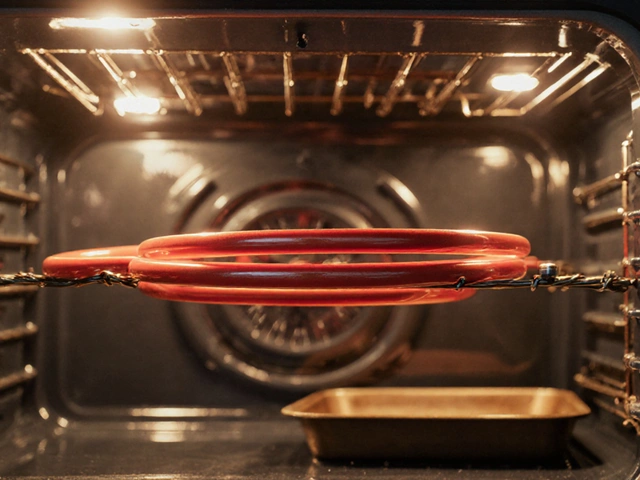
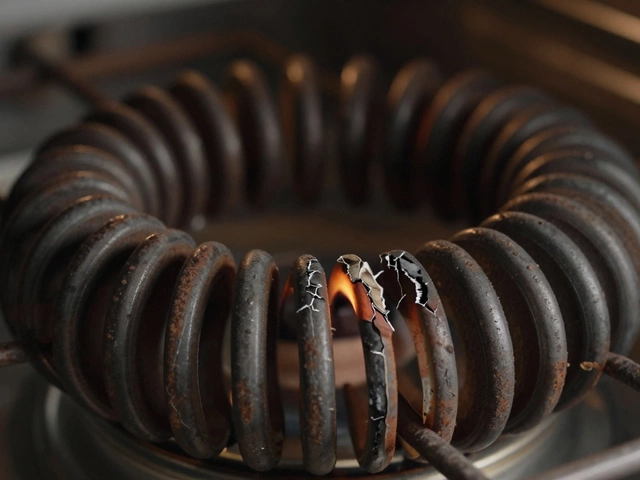
| Heating Element | $250 - $400 | Medium | Good ROI if machine is otherwise healthy |
| Main Control Board | $300 - $500+ | High | Risky for older units; often signals end-of-life |
| Motor/Pump Assembly | $400 - $600 | Very High | Usually replace unless high-end brand |
Notice the trend? The further down the list, the higher the risk. A faulty inlet valve is a minor inconvenience. A dead motor is a major event. For premium brands like Miele or Bosch, even expensive repairs can make sense because these machines are built to last 15+ years. For budget brands, a $400 repair on a $500 machine is rarely worth it.
The Hidden Costs of Replacement
People often underestimate the true cost of buying a new dishwasher. It’s not just the retail price tag. When you compare repair vs. replace, you must account for hidden expenses.
First, there is delivery and haul-away fees. Many retailers charge $50-$100 to deliver the new unit and remove the old one. Second, installation isn't always free. If your new dishwasher has different dimensions or requires updated plumbing connections, you might need a plumber or installer, adding another $100-$200 to the bill. Third, there’s the time cost. Coordinating deliveries, being home for appointments, and potentially living without a dishwasher for days adds stress.
Contrast this with a repair visit. A technician comes once, fixes the issue, and leaves. Your kitchen remains intact. No new holes in the countertop, no mismatched stainless steel finishes, no learning curve with a new interface. If the repair cost is within 30-40% of the new unit’s price, sticking with your current machine is often the path of least resistance and lowest total expense.
Signs Your Dishwasher Is Beyond Repair
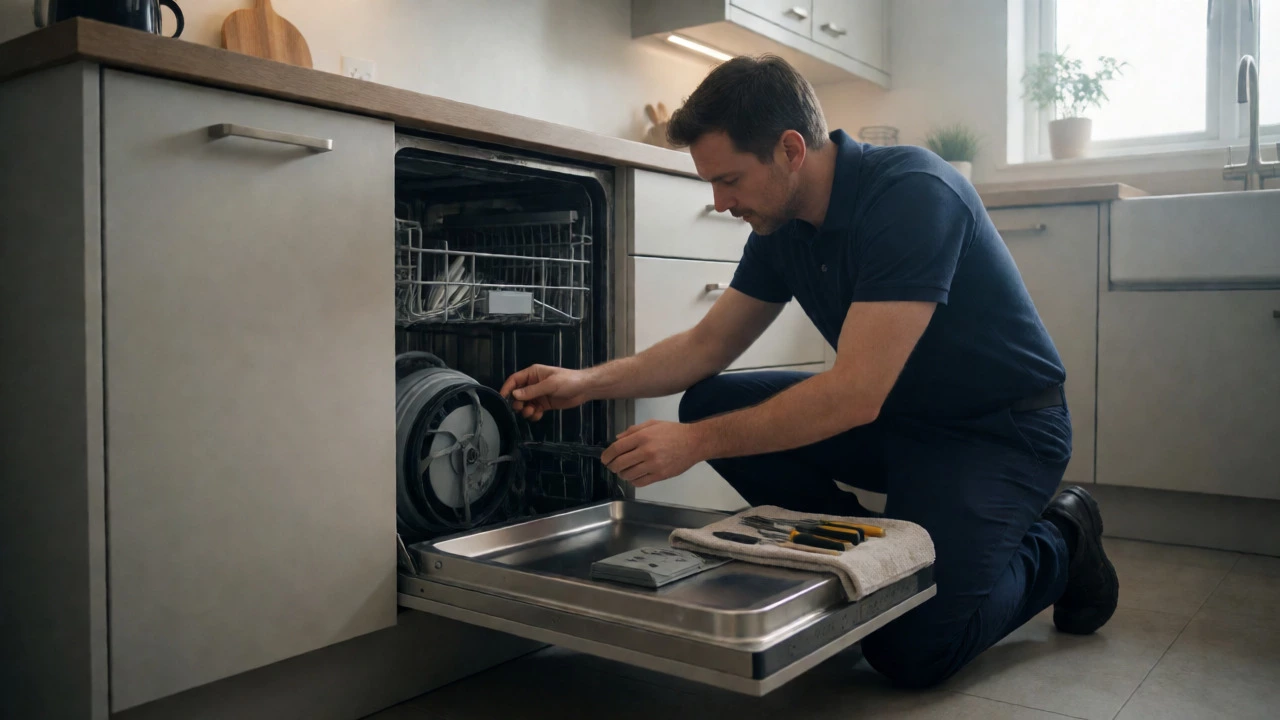
Sometimes, despite our best efforts, a machine gives up. How do you know when to stop throwing good money after bad? Look for these red flags.
- Multiple Simultaneous Failures: If the heater breaks, and then two months later the pump fails, the machine is deteriorating systemically. Each repair buys you less time than the last.
- Discontinued Parts: Ask your technician if the part is readily available. If they have to order it from overseas with a six-week wait, the downtime alone might justify replacement.
- Rust and Corrosion: Inspect the inner tub. If you see significant rust spots, especially around the heating element or seams, water is leaking into areas it shouldn’t. Once the structural integrity of the tub is compromised, no patch will hold long-term.
- Energy Efficiency Drop: Older models consume significantly more water and electricity. If your utility bills have spiked specifically during dishwasher cycles, a newer Energy Star-rated model could save you enough annually to offset the purchase price over time.
Don’t let sentimentality drive your decision. We often feel attached to appliances we’ve had for years. But if the repair quote approaches the cost of a mid-range new model, cut ties. Technology has improved. Newer machines are quieter, use half the water, and clean better.
How to Extend Your Dishwasher’s Life
Whether you repair your current unit or buy a new one, maintenance is key. Most repairs happen because of neglect, not manufacturing defects. You can add years to your appliance’s life with these simple habits.
Run the garbage disposal before starting the dishwasher. This ensures large food chunks don’t enter the drain system and clog the pump. Use the right detergent. Cheap powders often leave residue that builds up on sensors and heaters. Clean the interior monthly. Wipe down the door gasket to prevent mold and ensure a tight seal. And finally, don’t overload the racks. Blocking the spray arms reduces efficiency and strains the motor.
By treating your dishwasher with basic care, you reduce the likelihood of catastrophic failures. You keep small issues small, making them cheaper to fix and easier to ignore until convenient.
Is it worth repairing a 10-year-old dishwasher?
Generally, no. The average lifespan is 7-10 years. At 10 years, multiple components are near failure. Unless it is a high-end commercial-grade unit, the cost of frequent repairs will likely exceed the value of a new, efficient model.
What is the most common cause of dishwasher failure?
Clogged filters and drain pumps are the most common issues. Debris from dishes blocks water flow, causing the pump to overwork or the machine to display error codes. Regular cleaning prevents 80% of these problems.
Can I replace the control panel myself?
It is possible for handy homeowners, but risky. Modern panels are sensitive electronics. Incorrect wiring can short-circuit the new board. Given the high cost of control boards ($300+), hiring a professional is usually safer and saves money if mistakes occur.
Do warranties cover dishwasher repairs?
Most manufacturers offer a 1-year limited warranty covering parts and labor. Some premium brands extend coverage on motors or racks for 5-10 years. Check your manual; if you are outside the window, expect to pay full price for service.
Why does my dishwasher smell bad?
Odors usually come from trapped food in the filter or stagnant water in the drain hose. Running a hot cycle with vinegar or baking soda can neutralize smells. If the odor persists, the drain air gap may be clogged, requiring professional cleaning.