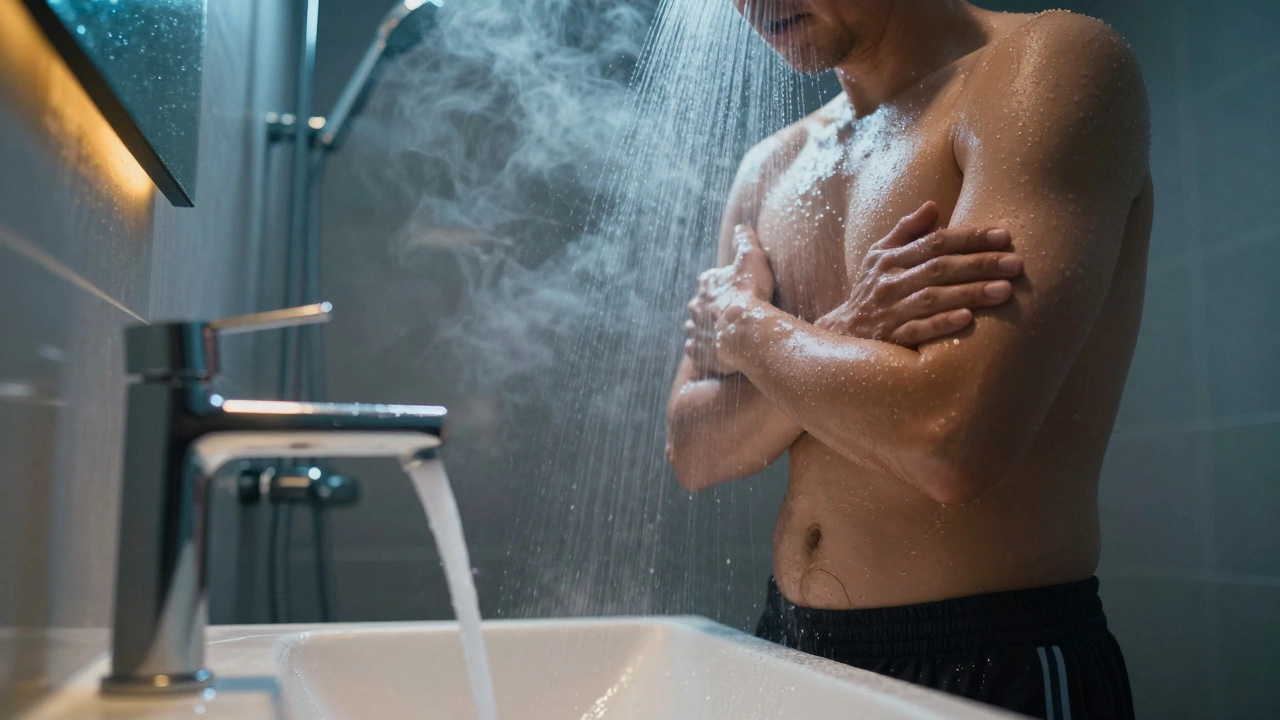
Cold Shower Diagnostic Tool
Is your shower freezing but your sink fine? Answer a few questions to find the cause.
There is nothing worse than stepping into a refreshing shower only to be greeted by an icy blast. You check the tap on your bathroom sink, turn it on, and out flows perfectly warm water. So, why does your water heater seem to work fine for the sink but fail completely when you pull the shower lever? It’s a frustrating puzzle that leaves many homeowners scratching their heads.
The good news is that this specific problem usually points to a mechanical issue within the plumbing or the shower unit itself, rather than a catastrophic failure of your boiler or electric tank. Since hot water is reaching the sink, we know the source is working. The blockage or malfunction is happening somewhere between the mixer and the showerhead. Let’s walk through the most likely culprits, starting with the easiest fixes.
1. The Diverter Valve is Stuck or Worn
If you have a standard bath-shower combination, there is a device called a diverter valve. Its job is simple: it redirects water from the bathtub faucet up to the showerhead. Over time, the rubber washer inside this valve wears out, or mineral deposits build up, causing it to stick. When this happens, the water might not fully divert to the shower, or worse, the pressure drop prevents the hot water line from pushing enough volume through.
Here is how to test it. Turn on the bath tap so water flows into the tub. Then, lift the diverter knob (or pull the handle) to send water to the shower. If the flow in the tub stops completely and the shower runs strong, the diverter is mechanically working. However, if water still dribbles into the tub while the shower has weak pressure, the diverter is failing. This split in pressure can sometimes cause the hot water supply to struggle, resulting in lukewarm or cold water at the showerhead.
- Symptom: Weak flow in shower; water continues to run in the bath.
- Fix: Clean the diverter mechanism with vinegar to dissolve limescale, or replace the diverter cartridge.
2. A Faulty Thermostatic Mixing Valve (TMV)
In modern Australian homes, especially those built after strict safety regulations were introduced, showers are often fitted with a Thermostatic Mixing Valve (TMV). This device mixes hot and cold water to maintain a safe, consistent temperature, preventing scalding. It is a critical safety component, but it is also prone to failure.
If the TMV is stuck in the "cold" position or its internal wax element has failed, it will restrict hot water flow regardless of what you set the dial to. Even if you turn the knob all the way to red, the valve may physically block the hot water inlet. Since your sink doesn’t have a TMV (usually), it receives unregulated hot water directly from the pipes, explaining the discrepancy.
You can often diagnose a bad TMV by feeling the outlet pipes. If the pipe coming from the hot water side of the valve is hot, but the pipe going to the showerhead is cold, the valve is blocking the heat transfer. Replacing a TMV is a job best left to a licensed plumber due to the precision required for safety testing, but identifying it saves you from unnecessary trips to the hardware store.
How do I know if my TMV is broken?
If your shower temperature fluctuates wildly, stays cold despite turning the dial to hot, or if you hear a whistling noise from the wall cavity where the valve is installed, the TMV is likely faulty. In Adelaide's hard water areas, limescale buildup inside the TMV is a common cause of failure.
3. Clogged Showerhead or Flow Restrictor
Adelaide has moderately hard water. Over months and years, calcium and magnesium minerals accumulate inside the tiny jets of your showerhead. This isn't just about reducing flow; it changes the dynamics of pressure. If the cold water inlet is less clogged than the hot water inlet (which is more susceptible to scale because hot water accelerates mineral precipitation), the cold water will overpower the mix.
Try removing the showerhead entirely. Turn on the shower hose. If you get a strong stream of hot water from the naked hose, your showerhead is the problem. Soak the showerhead in a bucket of white vinegar overnight to dissolve the scale. For stubborn cases, use a small brush to clear the individual nozzles.
Also, check for a flow restrictor. Many modern showerheads have a plastic disc inside designed to save water. Sometimes these discs break or shift, creating turbulence that affects temperature stability. Removing or cleaning this disc can restore proper balance.
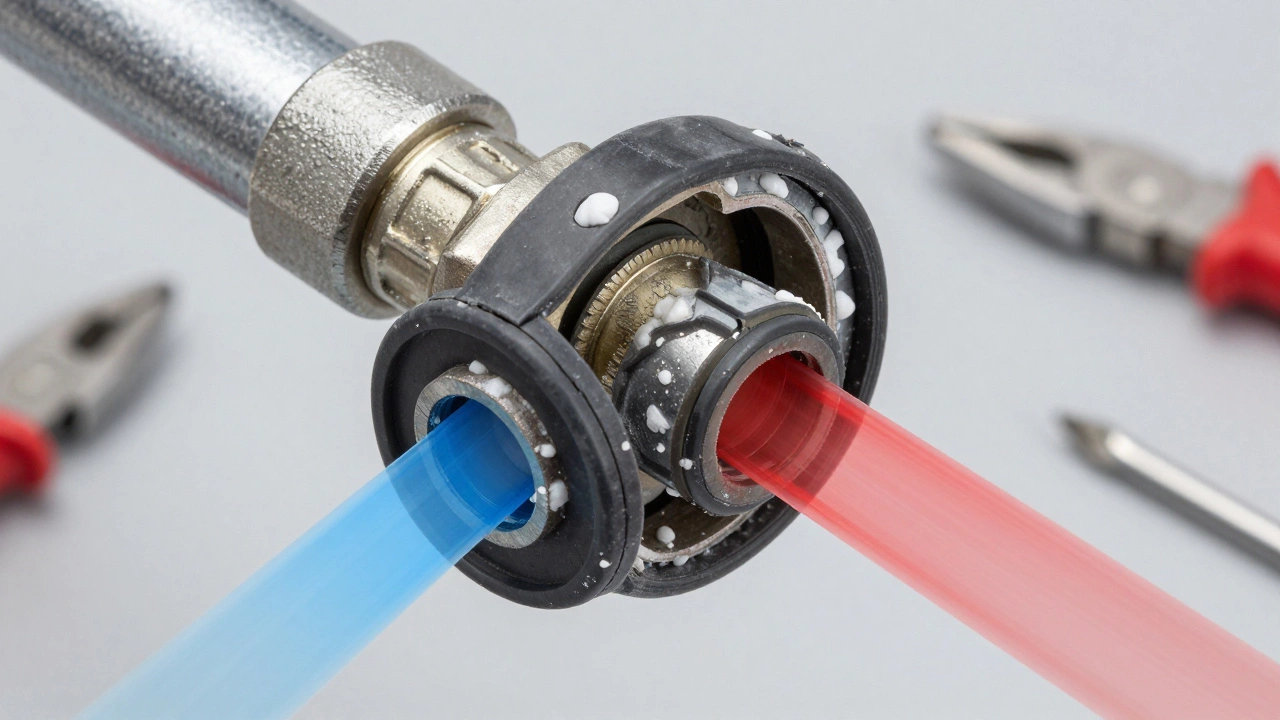
4. Air Locks in the Pipes
If you recently had maintenance done on your water heater or plumbing system, air might be trapped in the lines leading to the shower. Air pockets act like a dam, stopping water flow. Because the sink is on a different branch of the pipe, it might have purged its air naturally, while the shower line remains blocked.
To fix an air lock, you need to bleed the system. Open the shower valve fully and let it run for several minutes. If you have access to isolation valves near the water heater, close them briefly and then reopen them sharply to create a surge that pushes the air bubble out. If the water sputters and then stabilizes with heat, you’ve solved it.
5. Pressure-Balancing Valve Failure
Even if you don’t have a full TMV, many older showers have a simpler pressure-balancing piston. This mechanism ensures that if someone flushes a toilet elsewhere in the house, the shower doesn’t suddenly scald you. Inside this valve is a spool or piston that moves to equalize pressure between hot and cold lines.
If this piston gets stuck due to corrosion or debris, it can lock in a position that favors cold water. You might notice that the shower works fine until someone uses another tap, or it might just stay permanently biased toward cold. Unlike the TMV, this part is often easier to access and replace, but it requires shutting off the water supply and disassembling the shower trim plate.
| Cause | Likelihood | Difficulty to Fix | Estimated Cost (AUD) |
|---|---|---|---|
| Clogged Showerhead | High | Easy | $0 - $20 (new head) |
| Stuck Diverter | Medium | Medium | $50 - $150 (parts/labor) |
| Faulty TMV | Medium | Hard (Pro recommended) | $200 - $400 |
| Air Lock | Low | Easy | $0 |
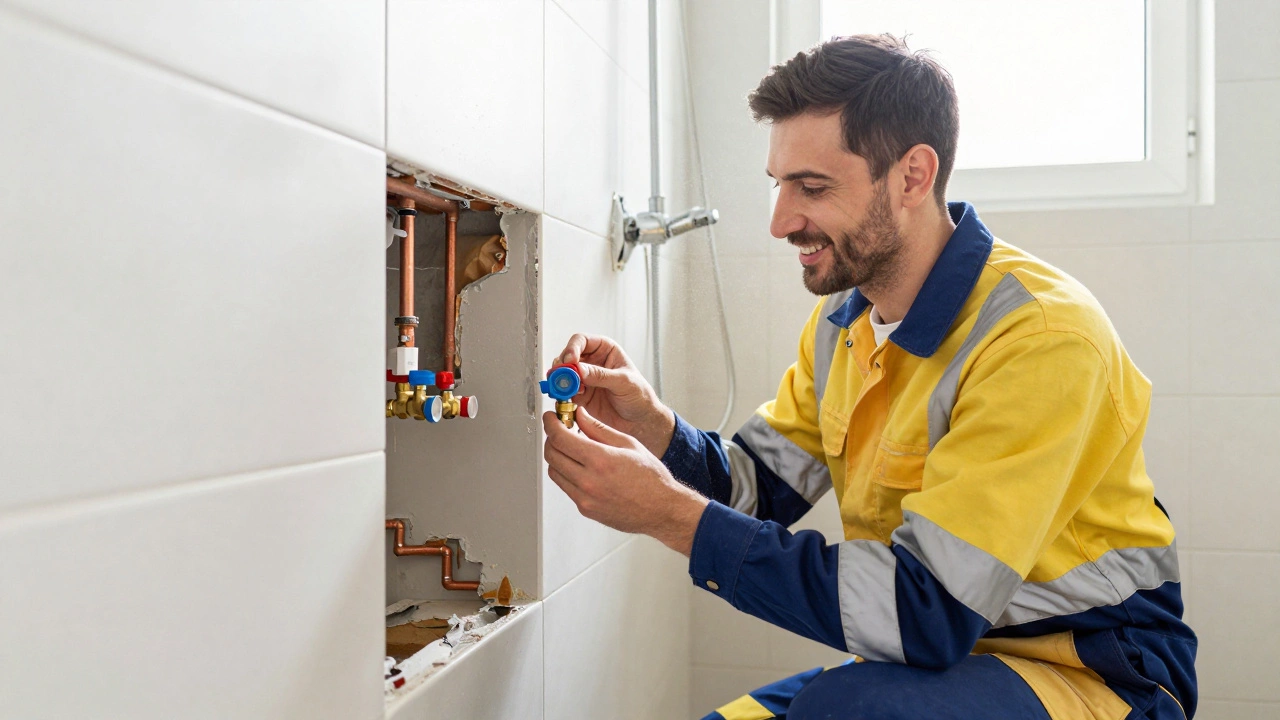
6. Cross-Connection or Pipe Blockage
In rare cases, there might be a physical blockage in the specific pipe segment that feeds the shower. Tree roots, collapsed piping, or heavy sediment buildup can obstruct flow. If the sink is fed by a larger diameter pipe or a different branch, it bypasses this obstruction.
If you’ve ruled out the showerhead, diverter, and valves, and you still have no hot water, the issue is likely upstream. Check if other fixtures connected to the same manifold as the shower are also affected. If only the shower is cold, and all valves are functional, you may need a professional inspection to check for internal pipe corrosion or a closed isolation valve that was accidentally turned off during previous repairs.
When to Call a Plumber in Adelaide
While cleaning a showerhead or checking a diverter is DIY-friendly, messing with TMVs and internal plumbing carries risks. In South Australia, regulations regarding hot water systems are strict. If you suspect your water heater itself is failing (e.g., strange noises, rust-colored water, or inconsistent temps across multiple outlets), call a professional immediately.
For shower-specific issues, if the basic troubleshooting steps above don’t resolve the cold water, hire a licensed plumber. They can use specialized tools to detect leaks behind walls, test the precise output of your TMV, and ensure any replacements meet current safety standards. Don’t risk scalding yourself or damaging your home’s plumbing by guessing.
Can a low water pressure cause cold showers?
Yes. If your water pressure is too low, the mixing valve may not function correctly. Many thermostatic valves require a minimum pressure differential to operate. If the pressure drops below this threshold, the valve may default to cold to prevent scalding, or simply fail to draw enough hot water to mix properly.
Is it dangerous to fix a TMV myself?
It can be. TMVs are safety devices designed to prevent burns. Incorrect installation can lead to scalding temperatures. While you can replace the unit, it is highly recommended to have a qualified plumber test the temperature output afterward to ensure it complies with Australian Standards.
Why does my shower get cold when I flush the toilet?
This indicates a pressure imbalance. Flushing the toilet draws cold water, dropping the cold pressure in the pipes. If your shower lacks a good pressure-balancing valve or TMV, the higher-pressure hot water rushes in to fill the void, causing a sudden spike in temperature. Conversely, if the hot water line is restricted, the pressure drop can starve the shower of hot water, making it go cold.
How long does it take to replace a shower valve?
Replacing a simple cartridge or diverter can take 1-2 hours. Replacing a full TMV or mixing valve assembly might take 3-5 hours, depending on access. If the valve is buried deep in the wall, it could require cutting into tiles and plaster, extending the job to a full day including repairs.
Does hard water affect shower temperature?
Indirectly, yes. Hard water causes limescale buildup in pipes, showerheads, and valves. This buildup restricts flow, particularly in the hot water lines where scale forms faster. Restricted flow leads to poor mixing and unstable temperatures. Installing a water softener can help prevent this long-term.