Hob Repair vs Replacement Calculator
⚡ Get Your Personalized Recommendation
You walk into your kitchen in Adelaide expecting to boil water for morning tea, but the spark won't catch. The burner is cold. It happens suddenly. Most people assume their cooking equipment should last forever, like an old cast-iron pot handed down through generations. That assumption is dangerous. Knowing exactly what the life of a hob actually is helps you budget for replacements and spot trouble before you burn dinner.
When we talk about a Hob, also known as a cooktop, we refer to the flat surface where you place pots and pans to heat food. This surface houses the heating elements or burners connected to your gas supply or electricity grid. Understanding its lifespan isn't just about curiosity; it dictates whether you spend money on repairs or call for a brand-new install.
Average Lifespan by Hob Type
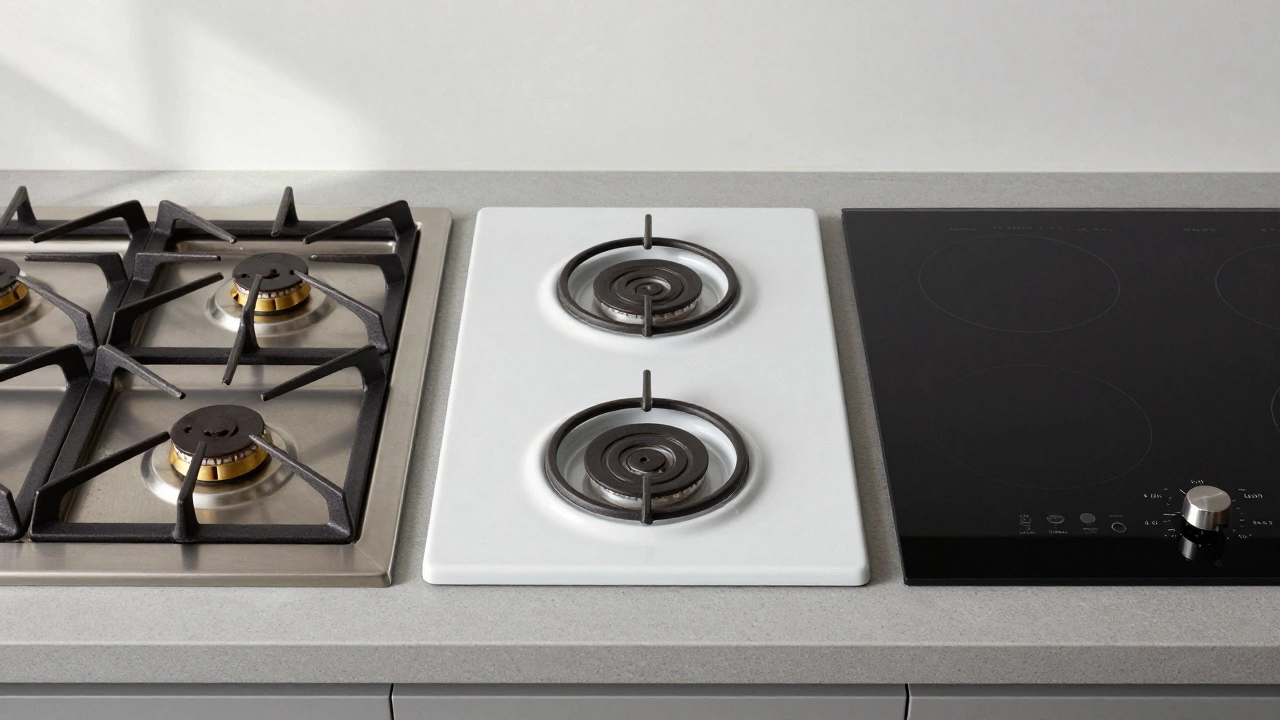
The longevity of your stove depends heavily on what kind of technology powers it. You cannot compare a simple gas setup to a high-tech digital induction unit directly. Each has different failure points and wear limits. Here is the reality check on how long they typically survive in an Australian home.
| Hob Type | Typical Lifespan | Main Failure Point | Common in Adelaide |
|---|---|---|---|
| Gas Cooktop | 15-20 Years | Safety Valves, Ignition | Very High |
| Electric Coil Hob | 10-15 Years | Heating Element, Switch | Moderate |
| Ceramic Hob | 10-12 Years | Surface Crack, Halogen Bulb | High |
| Induction Hob | 10-15 Years | Inverter Board, Fan | Rising Fast |
If you installed a Gas Cooktop in the early 2000s, chances are it is still running today. Gas technology is mechanical and robust. There are fewer electronic parts to fail. However, the Ignition System often gives up the ghost first. This small component creates the spark that lights the gas. If this fails, the hob doesn't work, even if the gas valve is fine. In contrast, modern Induction Hobs rely on electronics. They offer precise temperature control but suffer from voltage sensitivity. A power surge in Adelaide can fry the motherboard instantly, ending its life prematurely regardless of age.
Why Hobs Die Earlier Than Expected
Manufacturers often claim appliances last a decade or more. Reality often disagrees. We see units failing at five years regularly. Why does this happen? It usually boils down to three specific factors that accelerate wear and tear on your kitchen equipment.
First, installation plays a massive role. If the Electrical Connection isn't tightened correctly during the initial setup, contact resistance increases. This generates excessive heat inside the cable lugs. Over time, this heat melts insulation and causes fires or complete circuit failure. Many cheaper installs skip the proper earth bonding required by Australian Standards. Always verify the electrician licensed your work.
Second, user behaviour destroys surfaces. Dragging heavy cast iron skillets across a ceramic or glass cooktop creates micro-scratches. These scratches trap grease. When you try to clean them with abrasive powders, the damage deepens until the surface cracks under thermal stress. A cracked Ceramic Surface ruins the unit because manufacturers do not sell surface-only replacements for most models. You have to replace the whole assembly.
Third, neglect allows grime to build up under the grates. On gas hobs, food spills into the port holes where the flame comes out. Eventually, these ports clog. The burner won't light evenly. The gas might smell stronger than usual. Regular cleaning prevents this blockage. If you ignore it for years, replacing the internal manifold becomes necessary, costing hundreds of dollars.
Signs Your Hob is Reaching End of Life
Sometimes you don't know something is wrong until it stops working completely. By then, you can't cook for dinner. Learning to read the warning signs lets you plan ahead. Watch for these symptoms that signal your appliance is expiring.
- Uneven Heating: If one side of the burner is hot and the other is cool, the element or tube is warping. This is common on older electric hobs. Food cooks unevenly, burning on one edge while staying raw elsewhere.
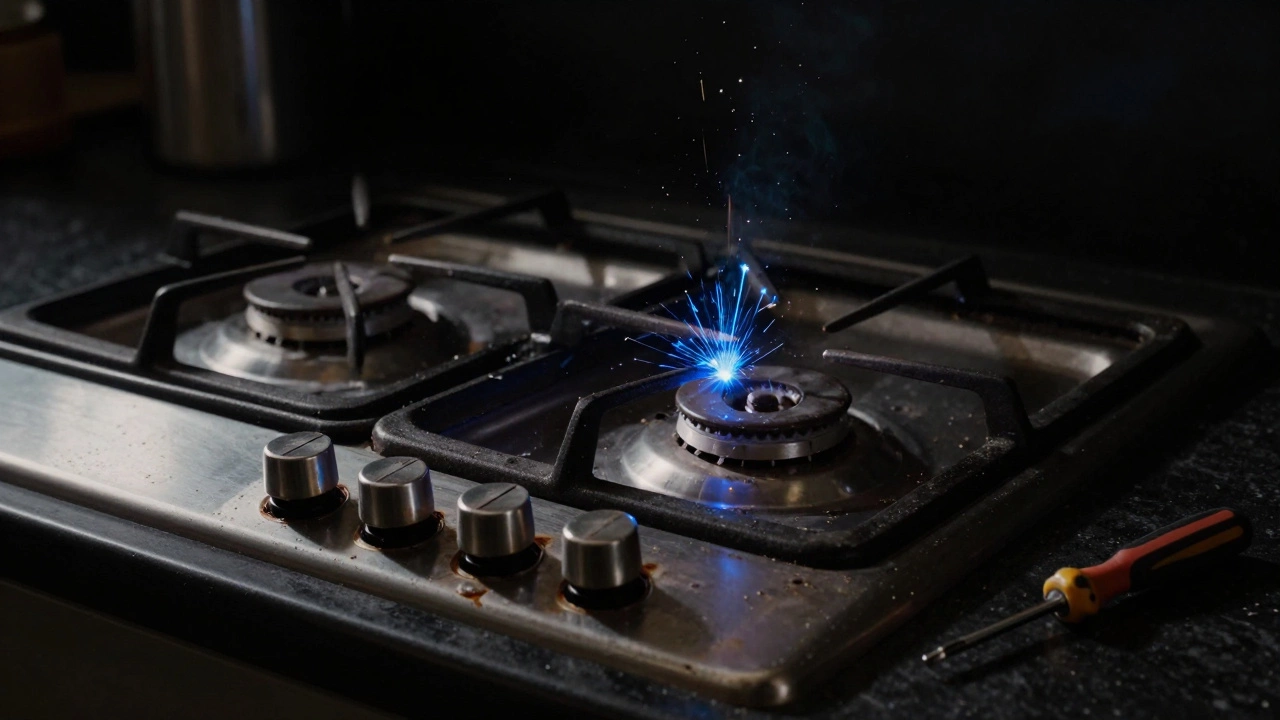
- Ghost Sparks: On gas units, if you hear clicking continuously after the flame is lit, the safety sensor is failing. This wastes gas and poses a minor explosion risk. It indicates the electronic module is degrading.
- Cycling Issues: An induction or electric hob should hold a set temperature. If it keeps flickering on and off without touching any controls, the thermostat or touch panel is glitching. Digital displays showing random numbers are a bad sign.
- Strange Smells: Burning plastic smells coming from the unit suggest melting wiring. Gas smells that linger after ignition indicate a seal leak. Both require immediate professional attention.
Ignoring these signals forces you into emergency mode later. It is easier to buy a new unit in November when stock is high than to rush for one in January when prices peak due to demand.
Maintenance Tips to Extend Service Life
Proactive care adds years to your appliance's usable life. Treat your Kitchen Appliances with care, and they reward you. Start with the daily routine. Never leave hot pots cooling down on a cold hob. Pour ice-cold water into a pan sitting on a heating element immediately after turning it off. Thermal shock cracks ceramic and glass instantly. Let the surface cool slightly before washing.
For cleaning, avoid steel wool pads. Even stainless steel hobs scratch easily with wire mesh. Use non-abrasive sponges instead. Specialised cleaners designed for Ceramic Glass contain mild solvents that lift burnt sugar without scratching. Scrubbing too hard with harsh chemicals damages the protective coating, leading to discolouration over time.
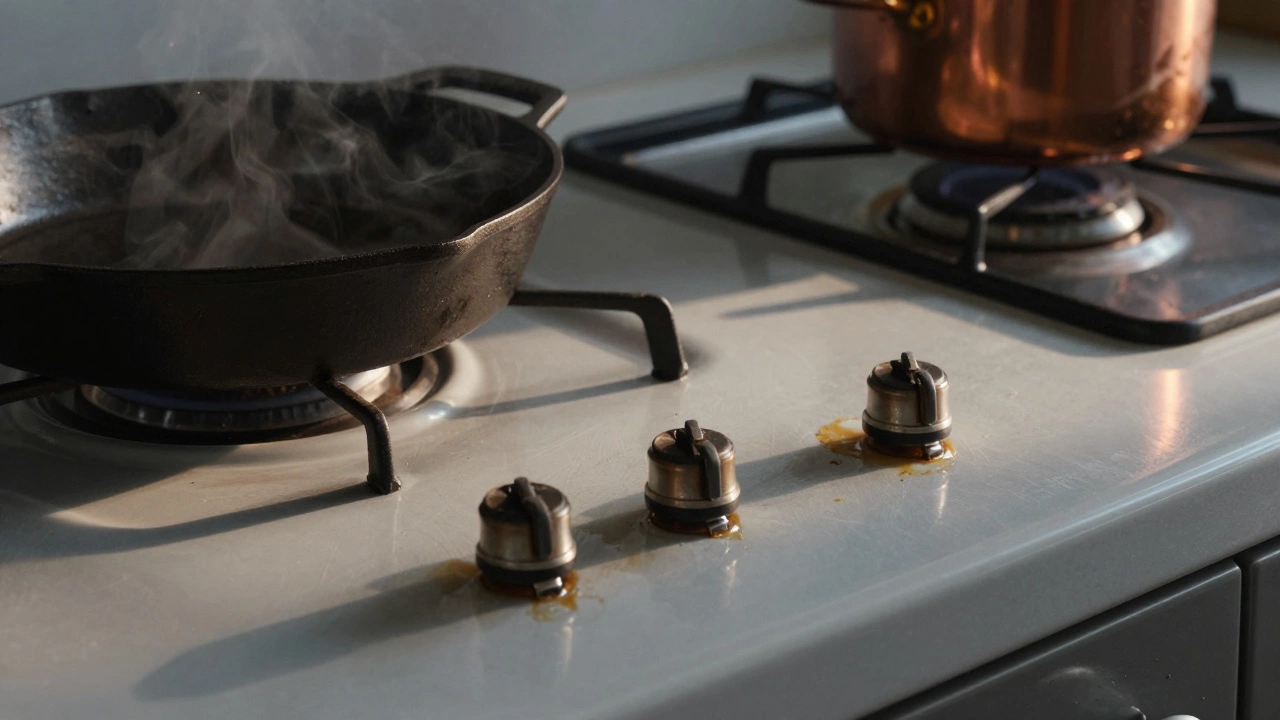
Ventilation matters significantly. Grease particles circulate in the room if your extractor fan is weak. This sticky residue settles on the hob knobs and switches. Inside the mechanism, oil builds up and attracts dust, causing corrosion. Clean your range hood filters monthly. Good airflow removes airborne grease before it lands on your expensive equipment.
Repair versus Replacement Decision Matrix
Facing a broken hob presents a financial choice. Should you fix it or swap it? The answer depends on age and cost. Generally, if a repair costs more than 50% of a new unit, replacement wins. But there are nuances. If your unit is under 10 years old and the part is cheap, fixing makes sense. A new Replacement Part for an ignition switch costs around $40 to $80. Labor is the expensive bit.
However, if the main PCB (Printed Circuit Board) fails on an induction model, costs skyrocket. Boards often exceed $200 plus labor. For an appliance worth $600 total, that is a losing battle. Furthermore, spare parts for discontinued models disappear. After a manufacturer stops making a specific series, sourcing components becomes a hunt through scrap yards.
Energy efficiency also weighs into the decision. Older gas hobs bleed gas even when off sometimes. Old electric coils waste power. A new unit meets stricter Energy Rating standards. You save money on bills annually, paying off the new purchase faster than expected.
Warranty Limitations and Coverage
Many buyers assume warranties cover everything. This is rarely true. Standard terms usually last one year, sometimes two for major brands. After that date, you pay full price. More importantly, coverage is limited. Accidental damage is excluded. Dropping a pan and shattering the surface voids protection immediately. Installation faults caused by unlicensed electricians are also exclusions. Companies refuse liability for improper hookup work.
Check your policy details before calling support. Some extended warranties offered by retailers add another three years but require annual claims validation. Without proof of purchase or service records, you get denied. Keeping receipts in a safe folder is basic preparation. It helps you claim rights if defects appear early in the cycle.
The Future of Hob Technology
Looking toward 2026 and beyond, the market shifts. Gas regulations tighten in many states regarding safety. Induction grows in popularity because it heats faster and uses less energy. Traditional electric coils fade from favour. Understanding these trends helps you pick a unit that won't become obsolete tomorrow. Buying a model compatible with current trends ensures better resale value. Resale value matters when you move house or renovate.
How much does it cost to repair a hob in Adelaide?
Call-outs usually range from $80 to $120 depending on location. Parts add extra. A gas valve repair runs around $200 including labour. Electronic repairs for induction units often cost between $300 and $500 depending on the complexity of the board failure.
Can I clean my glass hob myself?
Yes, daily wiping is safe. Deep cleanings require a scraper tool for burnt food. Use caution around edges to avoid scratching. Commercial cleaning services exist but may be unnecessary if you maintain weekly cleaning schedules.
Is it safe to keep a gas hob past 20 years?
Technically yes if inspected yearly. However, rubber seals degrade naturally. Gas leaks become a serious risk. Experts recommend checking valves annually. If the metal shows corrosion, upgrade to a newer model for safety compliance.
Why does my hob click continuously?
The moisture sensor triggers this. Water on the electrode causes constant sparking. Dry the area thoroughly. If it persists, the sensor module is likely faulty and needs replacing by a technician.
Do all hobs require special electrical circuits?
Most electric and induction hobs need a dedicated 240V circuit with a fused spur. Plug-in models exist but are rare for built-in units. Check the voltage rating label before purchasing. Using wrong wiring causes tripping breakers.
Maintaining your cooktop is an investment in your home's function. It provides comfort every day. Planning for the inevitable replacement avoids panic when things go wrong. With the right knowledge, you decide the timeline rather than letting the machine dictate it.