Freezer Diagnostic Troubleshooter
Follow the prompts below to identify the likely cause of your freezer's failure.
Listen for a hum or feel for vibration at the back/bottom of the unit.
Touch the coils (usually at the back). Are they warm/hot?
Look inside. Is there excessive frost buildup on the back wall or ice blocking the vents?
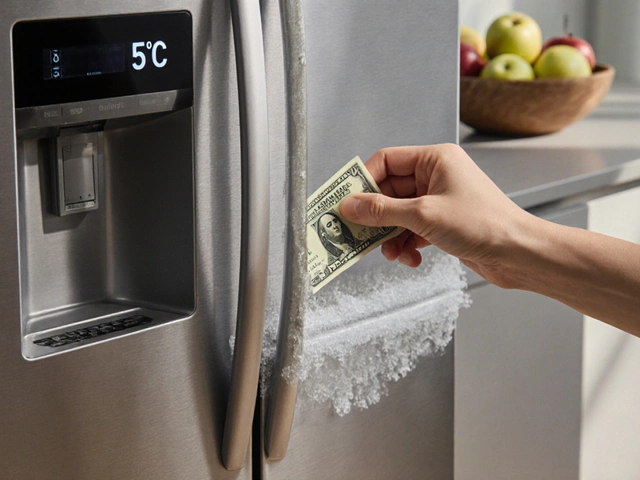
Close the door on a dollar bill. Does it slide out easily without resistance?
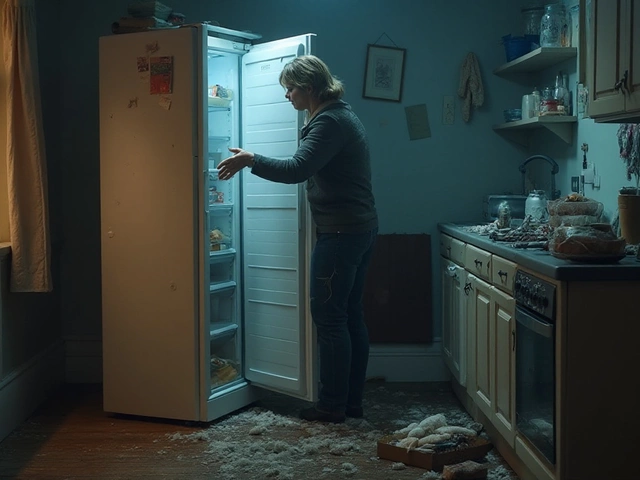
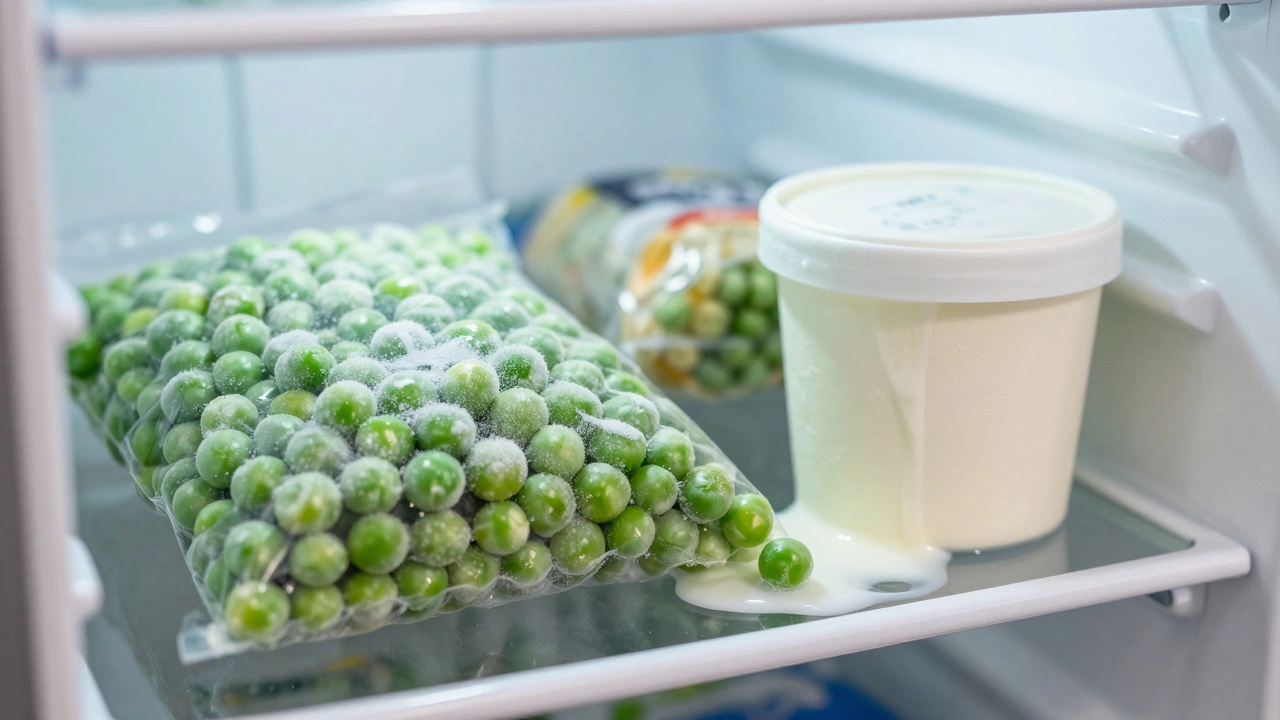
Imagine opening your freezer door to grab a bag of frozen peas for dinner, only to find them soft and slushy. You check the temperature dial-it’s set correctly. You listen for the hum of the compressor, and it sounds normal. Yet, the ice cream is melting into a puddle. This is one of the most frustrating scenarios for any homeowner. It isn’t just about losing food; it’s the sudden realization that a critical appliance has failed without warning.
When a chest freezer or upright unit stops maintaining its temperature, the problem rarely lies with the compressor itself. In fact, in over 80% of cases, the culprit is something far simpler and cheaper to fix: a breakdown in the airflow system or the defrost cycle. Understanding what happens inside that insulated box when it fails can save you hundreds of dollars in unnecessary replacement costs.
The Silent Culprit: Airflow Blockages
Before you call a technician, look at the air. A freezer relies on cold air circulating constantly from the evaporator coils to every corner of the compartment. If that air cannot move, the temperature rises. The most common reason for this stagnation is a blocked vent.
In many upright freezers, there are vents near the back wall or along the top shelf. If you have stacked boxes of pizza or bags of vegetables directly against these vents, you are choking the system. The cold air hits the obstruction, bounces back, and the thermostat senses that the area near the sensor is cold enough, so it shuts off the compressor. Meanwhile, the rest of the freezer warms up. Move everything out, rearrange the contents to leave gaps for air circulation, and see if the temperature drops within a few hours.
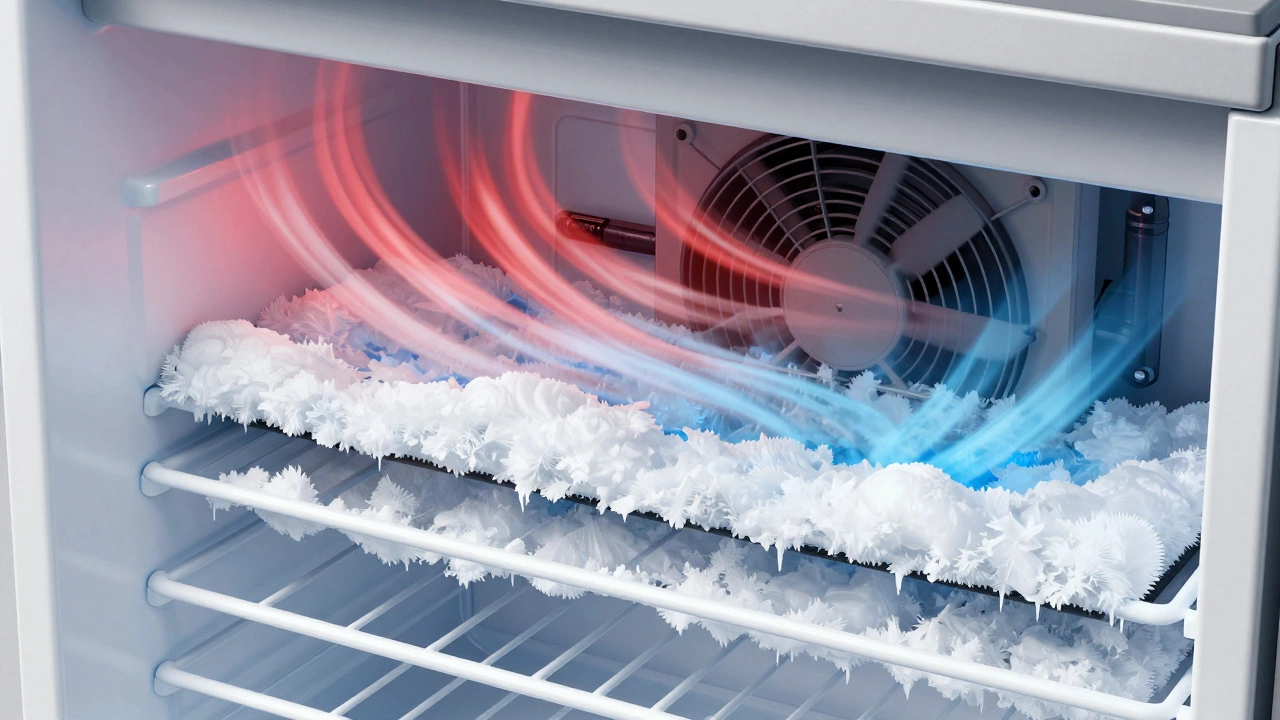
If rearranging doesn't help, the blockage might be internal. Ice buildup on the evaporator fan motor blades can stop the fan from spinning. This fan is responsible for pushing cold air around. If it’s stuck under a layer of frost, the air stays stagnant. You can often hear this happening-a loud grinding noise or complete silence when the compressor is running. If you suspect ice blocking the fan, you’ll need to perform a manual defrost (more on that later).
The Defrost System Failure
Modern freezers don’t require you to manually scrape ice off the walls because they have an automatic defrost system. But what happens when that system breaks? The answer is usually catastrophic cooling failure.
Inside the back panel of your freezer, there are coils that get incredibly cold. To prevent these coils from freezing over completely, the freezer runs a defrost heater periodically. This heater melts the frost, allowing the water to drain away. If the heater burns out, the ice builds up silently behind the interior plastic panel. Eventually, the ice becomes so thick that it acts as an insulator, preventing the cold from reaching the food. Worse, it blocks the airflow entirely.
How do you know if this is your problem? Look for signs of moisture. Is there water pooling at the bottom of the fridge section (if it’s a combo unit)? Are you seeing excessive frost on the back wall despite the food being warm? If yes, the defrost cycle has likely failed. This could be due to a bad heater, a faulty defrost thermostat, or a failed control board. These are relatively inexpensive parts, but diagnosing which one is broken requires a multimeter.
Sensor and Thermostat Issues
Your freezer needs to know how cold it is inside to decide when to turn the compressor on and off. This job falls to the temperature control thermostat or a digital sensor. If this component sends incorrect data, the freezer will behave erratically.
For example, if the thermostat thinks the freezer is -18°C when it’s actually -5°C, it won’t trigger the compressor to run. The result? Slowly thawing food. Conversely, if it thinks it’s warmer than it is, the compressor might run continuously, leading to high energy bills and potential overheating of the motor.
In older models with a mechanical dial, the contacts inside the switch can wear out or become corroded. In newer digital models, the sensor probe can drift out of calibration. A quick test involves setting the freezer to its coldest setting and waiting 24 hours. If the temperature hasn’t dropped significantly below zero, the control mechanism is likely suspect. Replacing a thermostat is usually a straightforward DIY task involving a screwdriver and a new part ordered online.
The Compressor and Refrigerant Leak
Let’s address the scary stuff. What if the compressor is dead? Or worse, what if there’s a refrigerant leak? These are the most serious issues because they often mean the end of the appliance’s life.
The compressor is the heart of the freezer. It pumps the refrigerant through the system. If you open the back of the freezer and don’t hear the compressor humming, or if you feel no vibration coming from the unit, the start relay or overload protector might have failed. These are small components attached to the side of the compressor and are cheap to replace. However, if the compressor itself is making a clicking sound but not starting, or if it’s hot to the touch but not cooling, the motor may be burned out.
A refrigerant leak is trickier. There are no visible leaks like water pipes. Instead, you notice that the condenser coils (usually at the back or bottom) are not getting warm. In a working system, the condenser coils should feel warm to the hot because they are releasing heat extracted from inside the freezer. If the coils are cool or room temperature while the compressor is running, the system is likely low on refrigerant. Unfortunately, repairing a refrigerant leak is often not cost-effective for standard household freezers due to the labor involved in evacuating and recharging the system.
Door Seals and Ambient Heat
Sometimes the problem isn’t mechanical at all. It’s environmental. Check the door gasket. This rubber seal keeps the cold air in and the warm air out. Over time, seals crack, tear, or lose their magnetic grip.
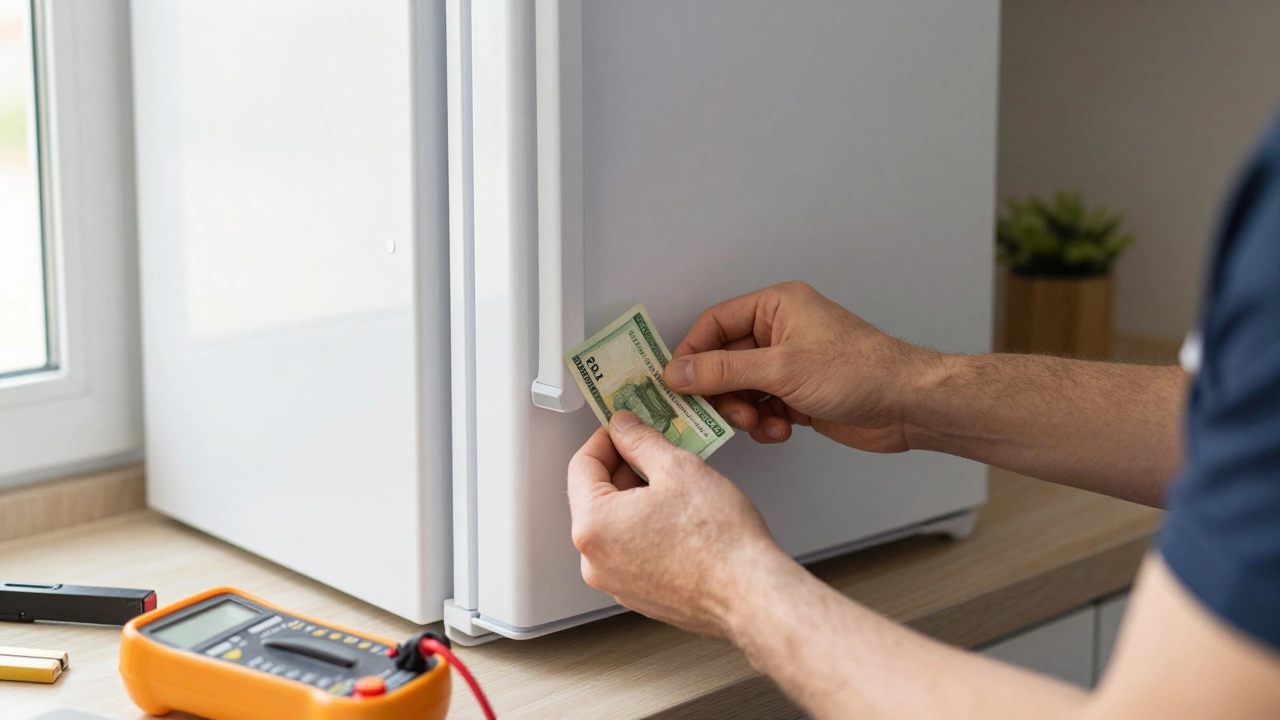
Perform the dollar bill test. Close the freezer door on a dollar bill (or any paper). Try to pull it out. If it slides out easily without resistance, your seal is compromised. Warm air enters, causing the compressor to work overtime. Eventually, the compressor can’t keep up, and the temperature rises. Cleaning the seal with warm soapy water can sometimes restore flexibility. If it’s torn, replacing the gasket is a simple fix that restores efficiency immediately.
Also consider where the freezer is located. Is it next to an oven? Under direct sunlight? In a garage that gets above 30°C in summer? Freezers are designed to operate within specific ambient temperatures. If the surrounding air is too hot, the heat exchanger can’t dissipate heat effectively, leading to poor cooling performance.
| Symptom | Likely Cause | Difficulty Level | Estimated Cost |
|---|---|---|---|
| Fan noise stopped, ice on back wall | Evaporator Fan Motor or Ice Blockage | Medium | $50 - $150 |
| Water leaking, thick frost behind panel | Defrost Heater or Thermostat | Medium | $40 - $100 |
| No noise, no cooling | Compressor Start Relay | Easy | $20 - $50 |
| Condenser coils cool, compressor running | Refrigerant Leak | High (Professional) | Often Not Worth Repair |
| Warm air draft, high energy bill | Bad Door Gasket | Easy | $30 - $80 |
Immediate Steps to Save Your Food
While you diagnose the issue, your primary goal is preservation. Here is what you should do right now:
- Minimize Door Openings: Every time you open the door, you let in warm, humid air. Only open it when necessary.
- Group Items Together: Pack all frozen items tightly together in the center of the freezer. Mass retains cold better than scattered items.
- Add Ice Packs: If you have extra space, fill ziplock bags with water and freeze them. Place these among your food to act as thermal buffers.
- Check the Temperature: Use an independent thermometer. Don’t trust the dial. If it’s above -10°C, assume the food is unsafe if left long enough.
- Manual Defrost: If you suspect ice blockage, unplug the freezer, remove all food, and let it melt. This takes 24-48 hours but can reset the system.
When to Call a Professional vs. DIY
You can handle door seals, thermostat replacements, and cleaning condenser coils yourself. These tasks require basic tools and confidence. However, if the issue involves the sealed system (compressor, refrigerant lines, or complex control boards), it’s time to call a professional. Technicians have the gauges and vacuum pumps needed to safely handle refrigerants. Attempting to repair a refrigerant leak without proper certification is illegal in many places and dangerous to your health.
In Adelaide, where summer heatwaves can push indoor temperatures high, ensuring your freezer is efficient is crucial. A failing freezer not only wastes food but also spikes your electricity usage. By identifying the root cause early-whether it’s a simple blocked vent or a failed defrost heater-you can extend the life of your appliance and keep your groceries safe.
How long can food stay safe in a freezer that stops working?
A full freezer will hold a safe temperature for approximately 48 hours if the door remains closed. A half-full freezer will hold for about 24 hours. If the power is out or the unit is broken, check the temperature of the food before consuming. Discard any perishable foods that have been above 4°C for more than two hours.
Why is my freezer making a loud buzzing noise but not cooling?
A loud buzzing noise often indicates a failing compressor start relay or a struggling compressor motor. It can also mean the evaporator fan is obstructed by ice. If the noise persists and cooling stops, the compressor may be locked up, requiring professional service.
Can a dirty condenser coil cause a freezer to stop freezing?
Yes. Condenser coils release heat from the freezer. If they are clogged with dust, pet hair, or debris, the heat cannot escape. This causes the compressor to overwork and eventually shut down due to overheating, leading to a rise in internal temperature. Clean coils every six months.
Is it worth repairing an old freezer that stops cooling?
If the repair cost is less than 50% of the price of a new unit and the freezer is less than 10 years old, it is usually worth repairing. Simple fixes like replacing a thermostat or fan motor are cost-effective. However, if the compressor or sealed system needs work, buying a new, energy-efficient model is often the smarter financial choice.
What does it mean if there is water leaking from the bottom of my freezer?
Water leakage usually points to a clogged defrost drain. During the automatic defrost cycle, melted ice flows into a drain tube. If this tube freezes or gets clogged with food particles, water spills over into the cabinet and onto the floor. Clearing the drain with warm water or a pipe cleaner often resolves the issue.