Washing Machine Replacement Calculator
- Repair Cost Threshold (50% of new price) $0
- Your Reported Repairs $0
- Savings by Replacing Now $0
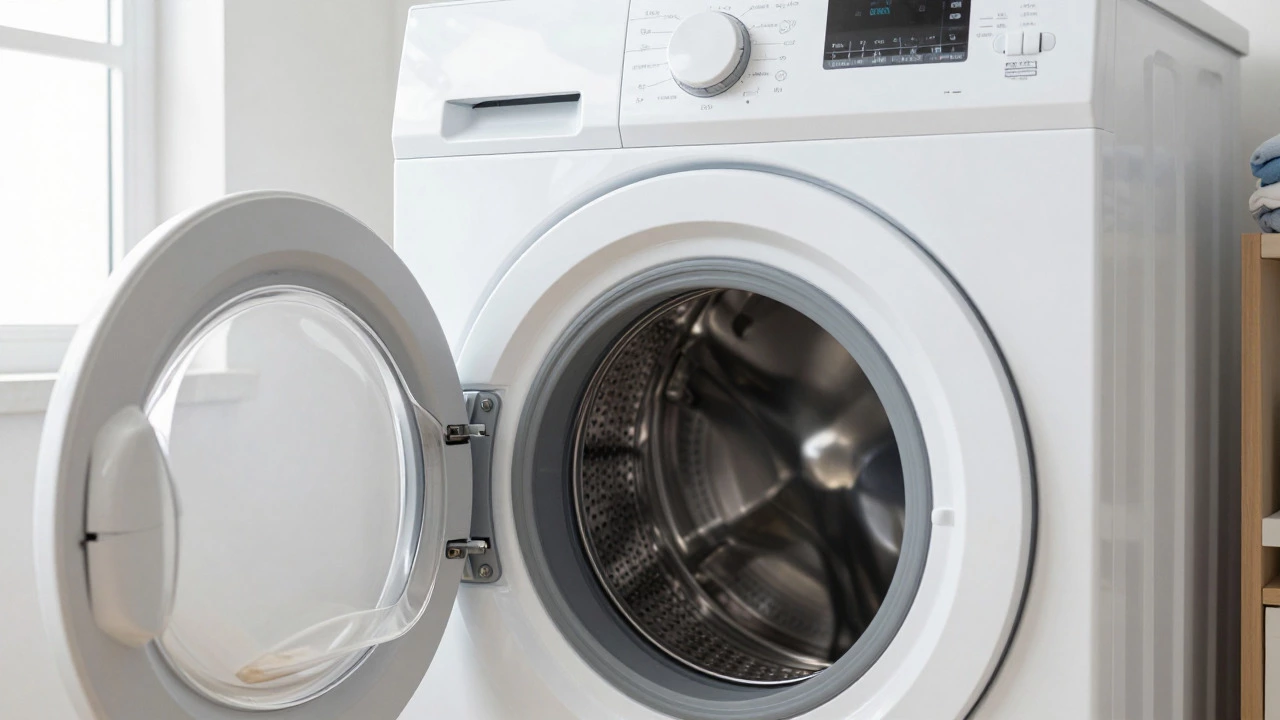
Most homeowners assume a washing machine is a "set it and forget it" device. You plug it in, load the clothes, and expect it to hum along for a decade without complaint. But what happens when that hum turns into a rattle, or the drum refuses to spin? Before you panic-buy a new unit, it helps to understand the realistic washing machine lifespan. It’s not just about luck; it’s a mix of build quality, usage habits, and maintenance.
The average front-loader lasts between 10 and 15 years, while top-loaders often hit the 10-year mark before showing serious wear. However, these numbers are averages, not guarantees. A well-maintained machine from a reputable brand can easily outlive its peers, while a neglected budget model might give up after five years. Knowing where your machine sits on this spectrum saves you money and prevents unnecessary repairs.
Factors That Shorten Your Machine's Life
Several daily habits quietly erode the components inside your washer. The most common culprit is overloading. When you stuff too many clothes into the drum, the motor works harder to balance the weight. This extra strain wears down the bearings and suspension springs faster than normal. Over time, this leads to the dreaded vibration issues that often signal impending failure.
Water quality plays a huge role, especially in areas with hard water. Limescale builds up in the heating element and pipes, reducing efficiency and eventually causing leaks. In Adelaide, our water hardness varies by suburb, so checking your local council’s water report is a smart move. If your water is hard, using a descaler every three months can extend the life of the heating element significantly.
- Overloading: Strains the motor and suspension system.
- Hard Water: Causes limescale buildup in internal parts.
- Neglected Filters: Clogged filters cause drainage issues and pump failures.
- Detergent Residue: Excess soap creates mold and clogs hoses.
Front-Loaders vs. Top-Loaders: Which Lasts Longer?
There is a persistent debate about which type of washer holds up better. Front-loading machines generally have a longer theoretical lifespan because they use less water and have fewer moving parts in the agitation process. However, their complexity means more things can go wrong, like door seals and electronic controls. Top-loaders are mechanically simpler but suffer from more wear on the agitator and drive belt due to the vigorous tumbling action.
| Type | Average Lifespan | Common Failure Points | Maintenance Effort |
|---|---|---|---|
| Front-Loader | 10-15 years | Door seal, drain pump, electronic board | High (clean rubber gasket regularly) |
| Top-Loader | 8-12 years | Agitator, drive belt, lid switch | Medium (check belt tension) |
| Heat Pump Dryer Combo | 10-13 years | Compressor, condenser coil | Very High (clean filter weekly) |
If you live in a high-rise apartment, front-loaders are often required for space reasons. For detached homes, top-loaders might be easier to service if you’re handy. But regardless of type, the electronics are the weak link in modern machines. Circuit boards fail due to moisture and heat, and replacing them is expensive.
Signs It’s Time to Replace, Not Repair
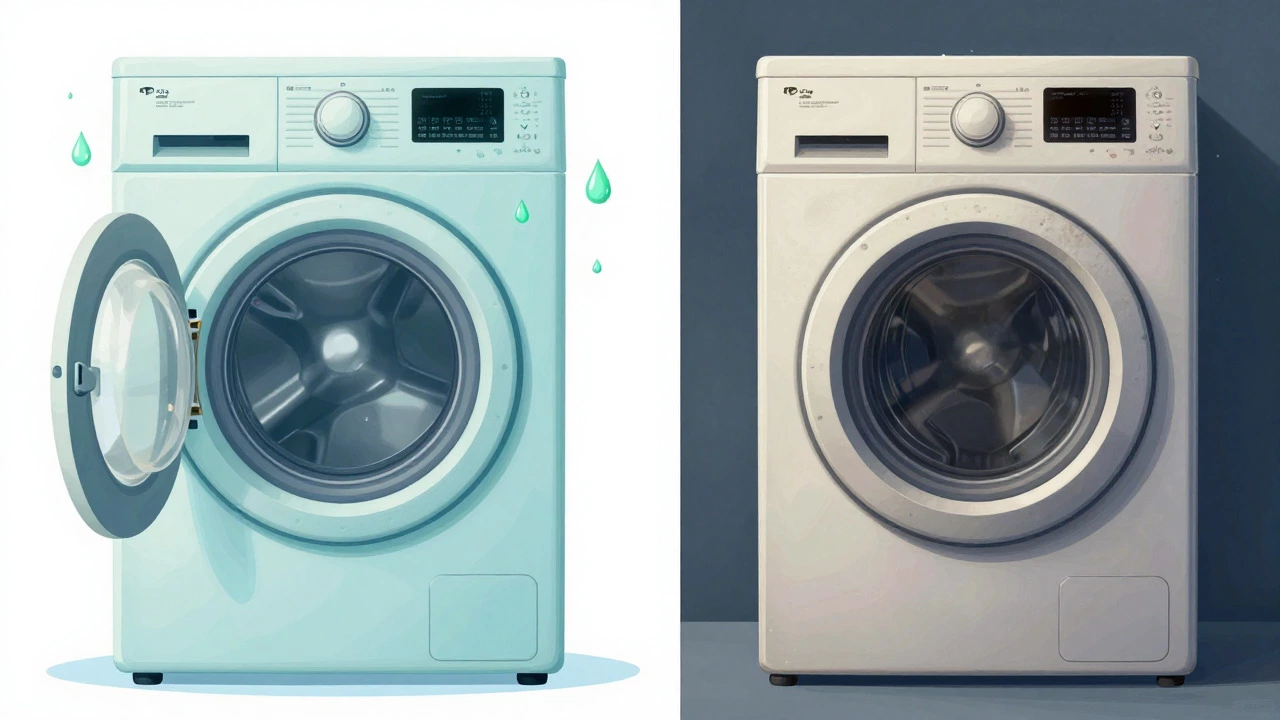
So, how do you know when a repair is worth it? There is a simple rule of thumb: if the repair cost is more than 50% of the price of a new machine, and the machine is older than half its expected lifespan, replace it. For example, if your 10-year-old machine needs a $400 control board, and a new one costs $800, it’s cheaper to buy new.
Other signs include frequent breakdowns. If you’ve had two major repairs in the last year, the machine is likely tired. Also, look at energy consumption. Older models are less efficient. Upgrading to a newer, energy-rated model can save you hundreds of dollars on electricity bills over two years, offsetting the purchase price.
- Check the age: Is it past the 10-year mark?
- Calculate repair costs: Add up all repairs in the last 2 years.
- Compare energy ratings: Look at the annual kWh usage of your current vs. a new model.
- Assess reliability: Has it broken down multiple times recently?
Maintenance Tips to Maximize Longevity
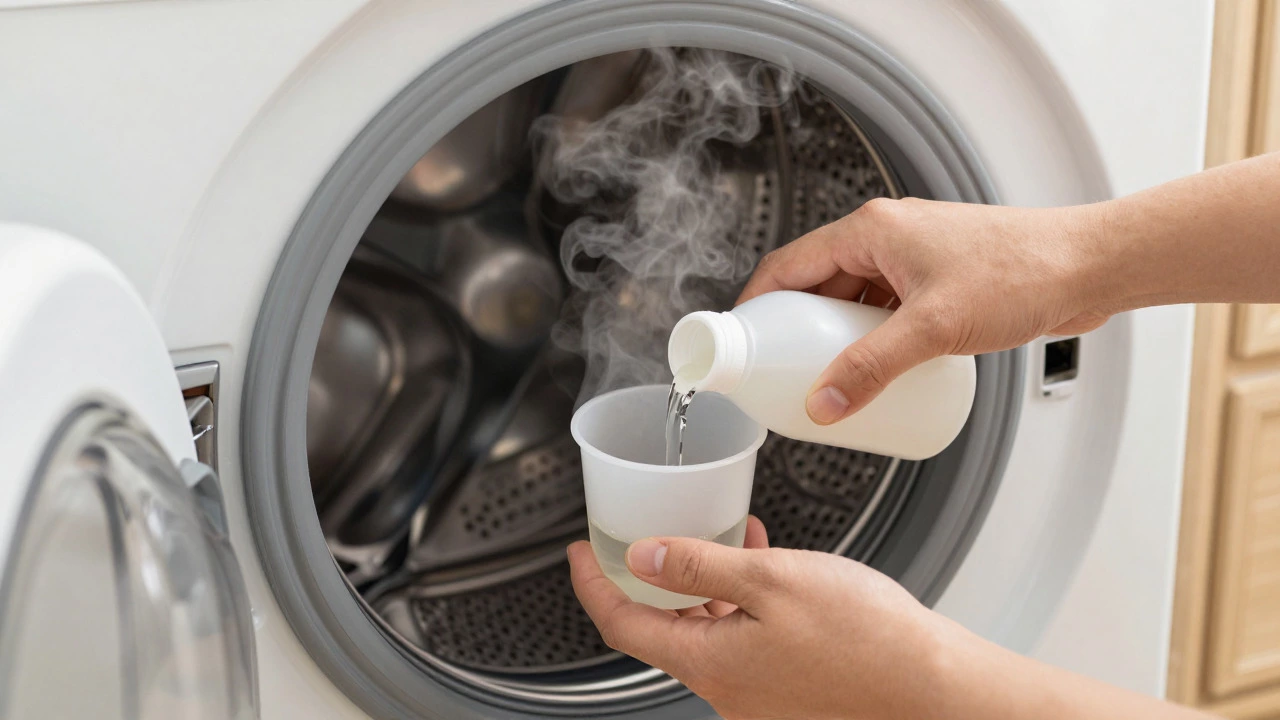
You don’t need to be a technician to keep your washer running smoothly. A few simple habits can add years to its life. First, clean the detergent drawer monthly. Soap residue builds up here and can smell terrible or clog the dispenser. Second, run an empty hot cycle once a month with a cup of white vinegar or a dedicated cleaner to kill mold and remove scale.
For front-loaders, leave the door slightly ajar after each wash to let the drum dry out. This prevents the rubber seal from becoming a breeding ground for bacteria. Also, check the inlet filters on the back of the machine. These small screens catch debris from your water supply. If they get clogged, the machine takes forever to fill up, straining the solenoid valves.
Finally, level your machine properly. An uneven floor causes vibrations that shake the whole unit. Adjust the feet until it stands firm. A wobbly machine will vibrate itself apart within a few years.
The Cost of Waiting Too Long
Many people wait until the machine completely dies before acting. This often leads to a flood. Old hoses burst, and failed pumps leak water onto the floor. By then, you’re not just buying a new washer; you’re paying for water damage repairs. Regular inspections of the supply hoses every six months can prevent this disaster. Replace rubber hoses with braided steel ones; they are stronger and last longer.
In the end, a washing machine is an investment in your daily routine. Treating it with respect-by loading it correctly, cleaning it regularly, and servicing it when needed-ensures it serves you well for over a decade. Don’t ignore the small noises or slow cycles. They are early warnings that a little attention now can save a big expense later.
How long does a washing machine last on average?
The average lifespan is 10 to 15 years for front-loaders and 8 to 12 years for top-loaders. This depends heavily on usage frequency, water quality, and maintenance routines.
Is it worth repairing an old washing machine?
Generally, no. If the repair cost exceeds 50% of the price of a new machine, or if the machine is older than half its expected life, replacement is usually more economical and reliable.
What kills washing machines the fastest?
Overloading, hard water buildup, and neglecting to clean the filters and rubber seals are the top three factors that reduce lifespan. Electrical failures from moisture also play a significant role.
Do front loaders last longer than top loaders?
Front loaders typically last slightly longer (up to 15 years) because they use less water and have fewer mechanical agitation parts. However, their complex electronics can fail earlier than the simpler mechanics of top loaders.
How often should I clean my washing machine?
Clean the detergent drawer monthly and run a hot empty cycle with vinegar or cleaner once a month. Wipe the rubber seal after every wash to prevent mold growth.