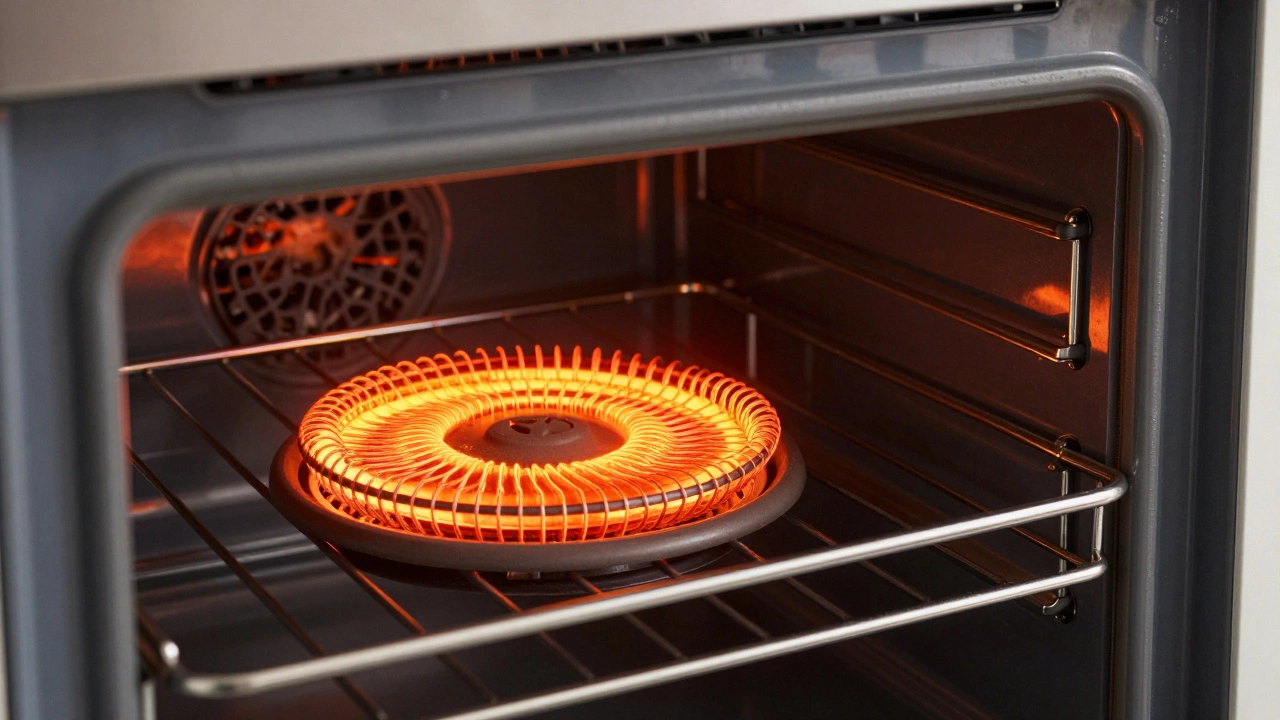
Oven Repair vs. Replace Cost Calculator
Your oven refuses to heat up. The roast is cold, the pizza dough isn't rising, and you're staring at a broken appliance that used to be your kitchen's workhorse. Before you call a technician or order a brand-new unit, there is one specific question hanging in the air: Is it actually worth fixing the heating element?
The short answer is yes, almost always. But the long answer depends on the age of your oven, the cost of parts in Adelaide, and whether you are handy with a screwdriver. Replacing a heating element is one of the most common and straightforward repairs in electric oven repair is the process of diagnosing and fixing electrical faults in cooking appliances, often involving component swaps like elements, thermostats, or control boards. It is rarely a complex job, but it does require safety awareness.
The Anatomy of an Oven Heating Element
To understand why this repair makes sense, you need to know what you are dealing with. Most modern electric ovens have two main types of elements:
- The Bake Element (Bottom): This sits at the bottom of the cavity. It provides the steady, ambient heat needed for roasting meats, baking cakes, and slow-cooking casseroles. If this fails, your oven might light up red briefly but won't reach temperature, or it will take forever to get hot.
- The Broil/Grill Element (Top): Located near the top glass, this element gets extremely hot very quickly. It is used for browning, crisping, and grilling. When this goes bad, you might notice smoke, a burning smell, or simply no heat from the top zone.
These elements are essentially resistive wires encased in metal sheaths. Over time, the wire inside breaks due to thermal expansion and contraction-the constant heating up and cooling down cycle we all put our ovens through. Unlike mechanical parts that wear out slowly, electrical elements tend to fail suddenly. One day they work; the next, they don't.
Signs Your Heating Element Has Died
You don't need a multimeter to suspect a blown element, though one helps confirm it. Here are the classic symptoms that point directly to the element rather than the thermostat or control board:
- No Heat at All: You set the oven to 180°C, wait twenty minutes, and it’s still room temperature. The display works, the fan might even spin, but the cavity stays cold.
- Visible Damage: Look closely at the coiled wire. Do you see blisters, holes, or glowing spots that look different from the rest of the coil? That’s a sign of imminent failure or a current short.
- Inconsistent Cooking: Your food burns on one side and remains raw on the other. This suggests the element has developed a weak spot where resistance has changed, leading to uneven heat distribution.
- Tripping Circuit Breakers: If your oven trips the power every time you turn it on, the element may have shorted out internally, sending too much current back to your home’s electrical panel.
If your oven heats up but the temperature fluctuates wildly, the problem might be the thermostat is a sensor that monitors internal oven temperature and signals the heating element to turn on or off to maintain the set degree. However, if there is zero heat, start with the element.
The Cost Breakdown: Repair vs. Replace
This is the core of the decision. Let’s look at the numbers based on average market rates in Australia as of 2026.
| Item | Estimated Cost (AUD) | Notes |
|---|---|---|
| Oven Heating Element (Part Only) | $30 - $80 | Price varies by brand (e.g., Bosch, Miele, Westinghouse) and type (bake vs. grill). |
| Professional Labor (Call-out + 1 hour) | $150 - $250 | Adelaide technicians typically charge a flat rate for simple part swaps. |
| Total Repair Cost | $180 - $330 | Usually completed within 45-60 minutes. |
| New Mid-Range Electric Oven | $400 - $700 | Includes installation fees if not self-installed. |
| New High-End/Smart Oven | $1,000+ | Features like steam injection, Wi-Fi connectivity, and pyrolytic cleaning. |
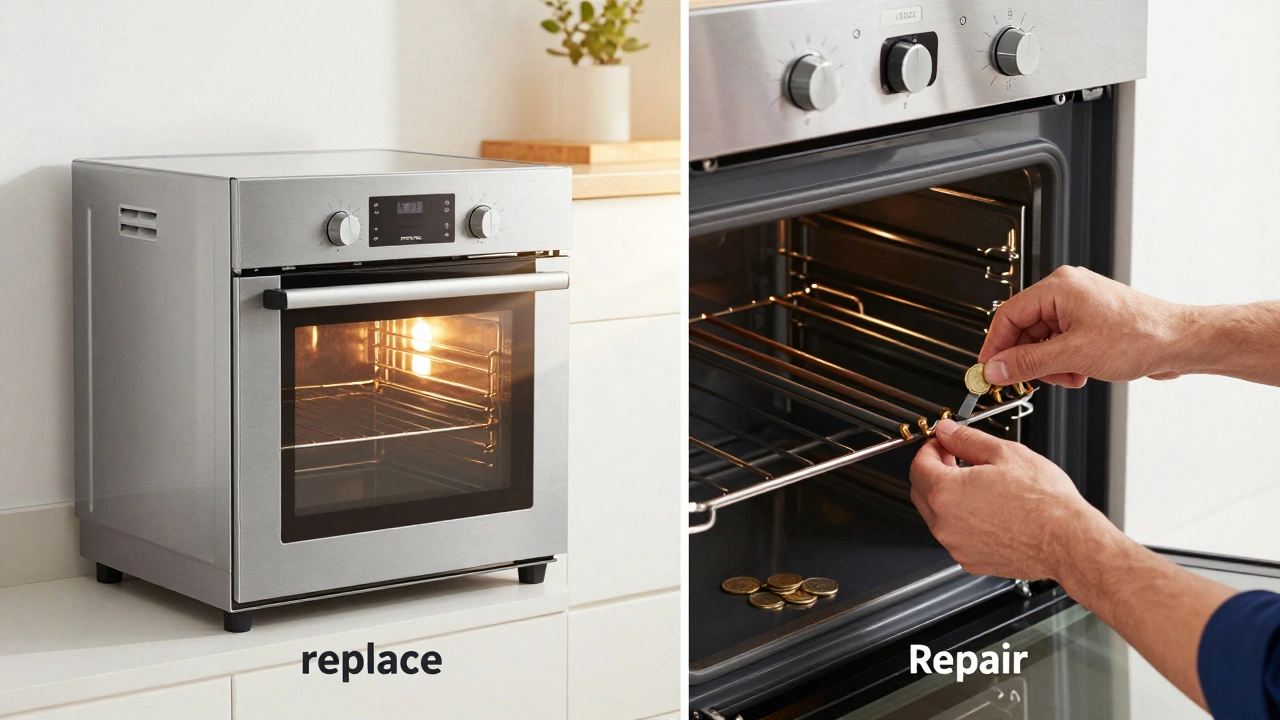
As you can see, replacing just the element costs less than half the price of a new mid-range oven. Even if you hire a pro, you are likely spending under $350 total. Unless your oven is over 15 years old and showing other signs of decline (rusty interior, broken door seal, erratic controls), the financial logic heavily favors repair.
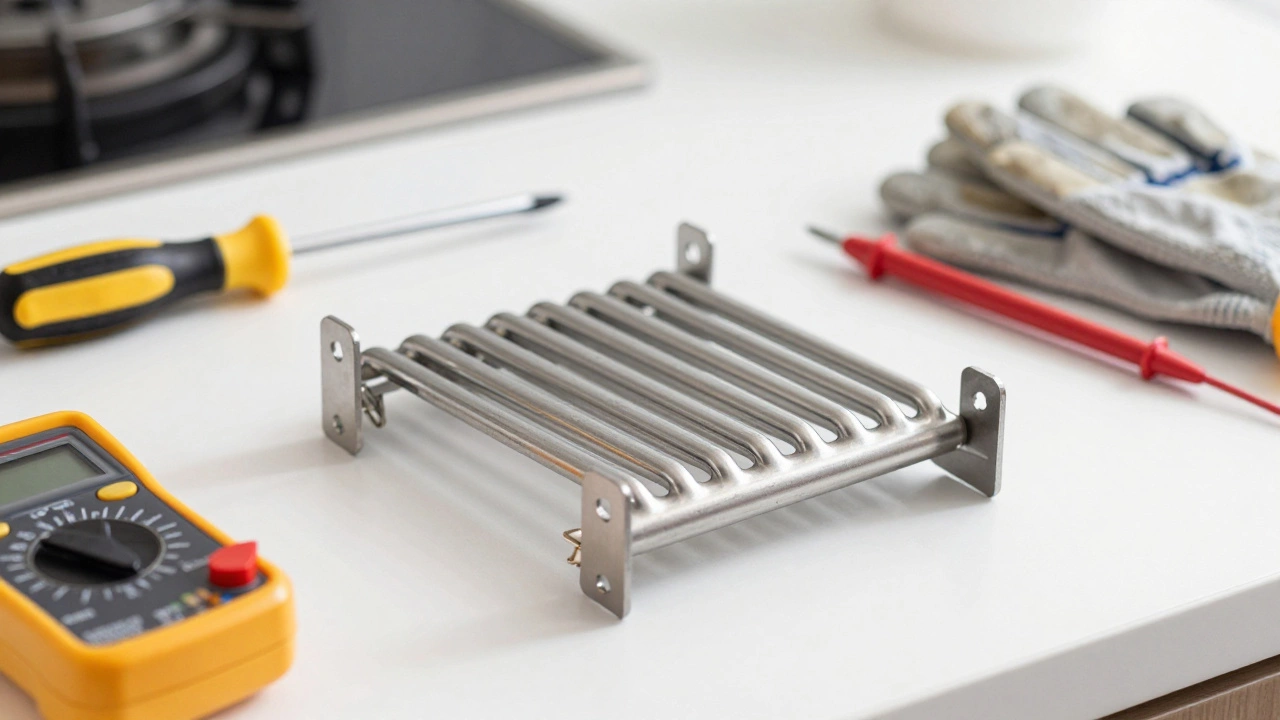
Can You Do It Yourself? (The DIY Factor)
If you are comfortable using a screwdriver and following instructions, replacing an oven element is a viable weekend project. It saves you the labor fee, bringing your total cost down to just the price of the part ($30-$80).
Here is the general process, but remember: always disconnect the power at the switchboard first. Electricity kills. Don’t be a hero.
- Identify the Part: Take a photo of the existing element. Note the mounting style (side-mounted vs. back-mounted) and the connector type (spade terminals vs. screw terminals). Search for "[Your Oven Model] bake element" online. Local suppliers in Adelaide like local appliance parts stores or major retailers often stock generic replacements that fit multiple brands.
- Disconnect Power: Turn off the circuit breaker for the oven. Verify it’s dead with a voltage tester if you have one.
- Remove the Old Element: Unscrew the mounting screws holding the element in place. Pull the element forward slightly to access the wiring. Disconnect the wires from the terminals. Keep track of which wire goes where (take photos!).
- Install the New Element: Connect the wires to the new element exactly as they were before. Slide the new element into the oven cavity and secure it with the screws.
- Test: Restore power. Set the oven to a low temperature (e.g., 100°C) and watch. The element should glow orange/red within a few minutes. If it doesn’t, double-check your connections.
If your oven has a convection fan is a motorized fan inside the oven that circulates hot air for more even cooking temperatures., ensure you don't pinch any wires behind it during reassembly.
When Is It NOT Worth Fixing?
While the element swap is cheap, it might not save you money in the long run if other components are failing. Consider buying a new oven instead if:
- The Oven Is Very Old: If your oven was installed in the late 90s or early 2000s, finding parts becomes harder and more expensive. Older models also lack modern energy efficiency standards. A new oven could save you money on electricity bills over the next five years.
- Multiple Faults Exist: Did the element blow because the thermostat failed and let the oven overheat? If you replace the element but not the thermostat, the new element will burn out again in a month. If you’re looking at replacing the element, thermostat, and control board, the repair bill approaches the cost of a new machine.
- Physical Damage: Rust inside the cavity, cracked enamel, or a broken door hinge indicates structural degradation. These issues are unsafe and costly to fix properly.
- Warranty Status: Check if your oven is still under warranty. Many manufacturers cover parts and labor for 2-5 years. If so, the repair is free!
Safety First: Electrical Hazards in Ovens
Ovens operate at high voltages (240V in Australia) and high currents. A single heating element can draw 15-20 amps. This means the wires and terminals get hot even when the element isn't glowing. Never touch the terminals with bare hands after the oven has been running. Use insulated tools.
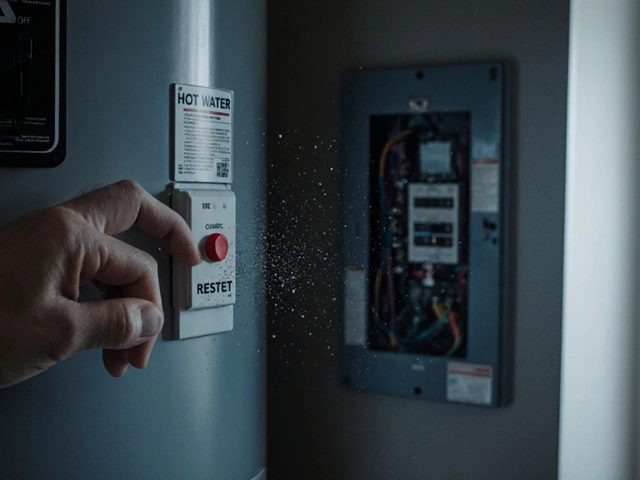
Also, be mindful of the thermal fuse is a safety device that cuts power to the oven if it detects dangerously high temperatures, preventing fire hazards. Some ovens have a thermal fuse that blows if the element shorts. If you replace the element and still get no power, check this fuse. It’s a small, inexpensive part, but missing it can leave you confused about why the new element isn't working.
Making the Final Decision
So, is it worth it? For 90% of homeowners, yes. A heating element is a consumable part, like a lightbulb or a battery. It wears out. Replacing it extends the life of your oven by another 5-10 years for a fraction of the cost of a new appliance.
If you are handy, buy the part online or at a local hardware store in Adelaide, and swap it yourself in an afternoon. If you prefer peace of mind, hire a licensed electrician or appliance repair technician. The investment is small, and the return-getting your kitchen back to full function-is immediate.
Just remember: if the oven is ancient, rusty, or has multiple failing parts, skip the repair and upgrade. Modern ovens cook faster, use less energy, and offer features that make cooking easier. But for a standard, functional oven that just lost its heat, a new element is the smart, economical choice.
How long does an oven heating element last?
On average, a quality oven heating element lasts between 5 to 10 years. This lifespan depends heavily on usage frequency. If you bake daily, expect closer to 5 years. Occasional users might get 10+ years. Factors like voltage spikes, poor ventilation around the oven, and manufacturing defects can shorten this life.
Can I replace just one element if I have both bake and grill?
Yes, absolutely. The bake (bottom) and grill/broil (top) elements are independent components. You only need to replace the one that is faulty. However, if both fail around the same time, it might indicate an issue with the oven's power supply or control board, so a professional diagnosis is recommended.
Why did my oven element burn out prematurely?
Premature failure is usually caused by a stuck thermostat that keeps the element on too long, overheating the wire. Other causes include physical damage (dropping something heavy on it), corrosion from spilled liquids, or voltage surges in your home's electrical system. Checking the thermostat and thermal fuse is wise when replacing an early-failing element.
Do I need a licensed electrician to replace an oven element?
In Australia, replacing a plug-in oven element is generally considered safe for a competent DIYer who turns off the power at the switchboard. However, if your oven is hardwired directly into the wall (common in built-in units), local regulations may require a licensed electrician to handle any work involving the fixed wiring. Always check local council rules and insurance requirements.
What is the difference between a bake element and a broil element?
The bake element is located at the bottom of the oven and provides consistent, ambient heat for baking and roasting. The broil (or grill) element is at the top and delivers intense, direct radiant heat for browning and crisping foods. They are not interchangeable due to different wattage ratings and mounting styles.
How much does it cost to replace an oven element in Adelaide?
As of 2026, the part itself costs between $30 and $80 AUD depending on the brand. Professional labor in Adelaide typically ranges from $150 to $250 for a call-out and one-hour service. Therefore, the total cost for a professional repair is usually between $180 and $330 AUD.
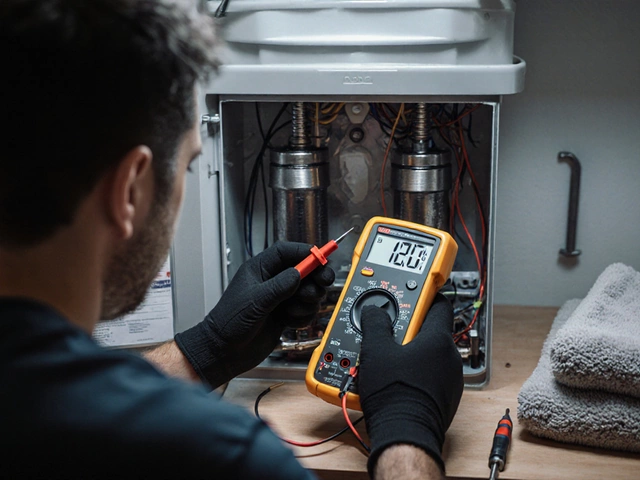
Can I test my oven element with a multimeter?
Yes. Set your multimeter to the continuity setting or resistance (Ohms). Touch the probes to the two terminals of the element. A working element should show a reading between 10 and 30 Ohms (depending on wattage). If the meter shows 'OL' (open loop) or infinite resistance, the element is broken and needs replacement.
Is it dangerous to use an oven with a damaged heating element?
It can be. A visibly damaged element with exposed wires poses a shock hazard and a risk of starting a fire if it touches metal racks or food debris. Additionally, a shorted element can trip your home's circuit breaker or cause arcing, which damages the oven's internal wiring. Stop using the oven immediately if you see sparks, smoke, or exposed wires.