When to Replace Dryer: Signs It's Time to Skip Repair and Buy New
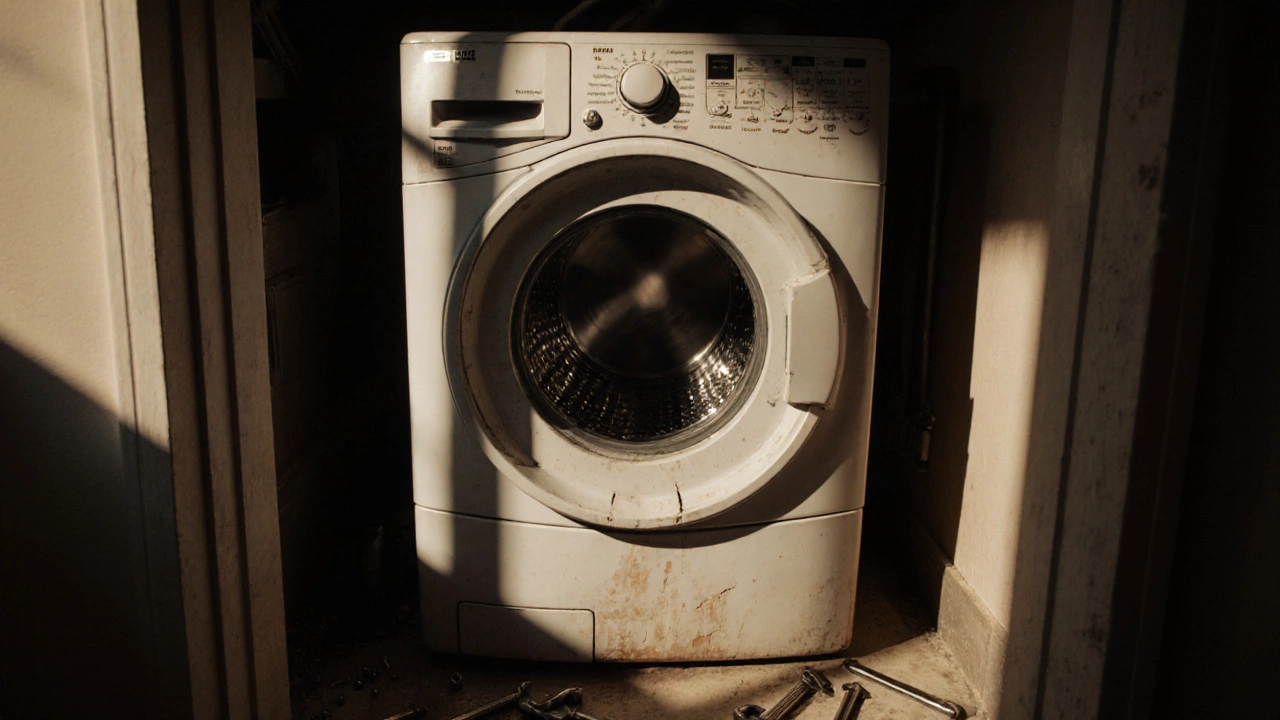
When you’re deciding when to replace dryer, a household appliance that dries clothes using heat and airflow. Also known as a clothes dryer, it’s one of the most used machines in the home—and one of the first to show wear when it’s past its prime. Most dryers last between 10 and 13 years. If yours is older than that and starting to act up, it’s not just inconvenient—it’s costing you more in energy bills and repair fees than a new model would.
There’s a big difference between a dryer that needs a simple fix and one that’s falling apart. If your clothes take two cycles to dry, the drum is noisy, or the heat comes and goes, it might just be a broken heating element or a clogged vent. But if you’re replacing parts every few months, or the control panel is glitching, you’re chasing a sinking ship. A dryer repair, the process of fixing a malfunctioning clothes dryer using parts or adjustments makes sense when the cost is under half the price of a new unit. But if you’re spending $200+ on a thermostat, belt, or motor, you’re already halfway to buying new. And newer dryers use up to 30% less energy—so you’re not just fixing a machine, you’re paying to run an outdated one.
Another red flag? Moisture left in your clothes after a full cycle. That’s not just bad drying—it’s often a sign the drum isn’t spinning right, the exhaust is blocked, or the sensor is fried. If you’ve cleaned the lint trap, checked the vent hose, and reset the breaker, and it still won’t dry properly, the problem is deeper. And if your dryer smells like burning plastic or overheats even when empty, stop using it. That’s not a repair issue—it’s a fire risk. Dryers are responsible for thousands of home fires each year, mostly because of neglect or old parts failing under pressure.
Then there’s the cost of waiting. Every time you run a second or third cycle because the first one didn’t work, you’re wasting electricity, time, and wear on your clothes. A new dryer with moisture sensors and smart settings can cut drying time in half. You’ll also get better warranties—most new models offer at least a full year of coverage, while repairs on older units rarely come with any guarantee at all.
So how do you know for sure? Look at the pattern. One problem? Fix it. Two or three recurring issues? Start shopping. A dryer that’s 10+ years old with multiple broken parts? It’s time. You don’t need to be an expert to see this. Just compare the last year’s repair bills to the price of a decent new model. If the repair costs are close to or over 50% of the replacement price, you’ve already made the decision. The real question isn’t whether you can fix it—it’s whether you should.
Below, you’ll find real-life examples from people who faced the same choice—when to call it quits on a dryer and when to give it one last shot. Some saved money by fixing. Others saved even more by replacing. The right call isn’t always obvious, but the signs are there if you know what to look for.