Water Heater Element: Signs of Failure, Replacement Costs, and How to Fix It
When your hot water suddenly turns cold, the problem isn’t always a broken boiler or a faulty thermostat—it’s often the water heater element, a heating component inside tank-style water heaters that turns electricity into heat to warm the water. Also known as electric heating element, it’s the heart of your electric water heater, and when it dies, so does your hot water supply. Most people don’t think about it until they’re standing in the shower with icy water, but this simple part can fail for predictable reasons: sediment buildup, age, or electrical issues.
The water heater, a household appliance that stores and heats water for showers, laundry, and dishes. Also known as tank water heater, it typically lasts 8 to 12 years, but without regular maintenance, it can die much sooner. The electric water heater, a type of water heating system that uses one or two heating elements powered by household electricity. Also known as resistance heater, it’s common in homes without gas lines. These elements are usually made of metal sheathing with a resistive coil inside. One element heats the top half of the tank, the other the bottom. If the top one fails, you get a few minutes of warm water before it turns cold. If the bottom one goes, you might get lukewarm water at best.
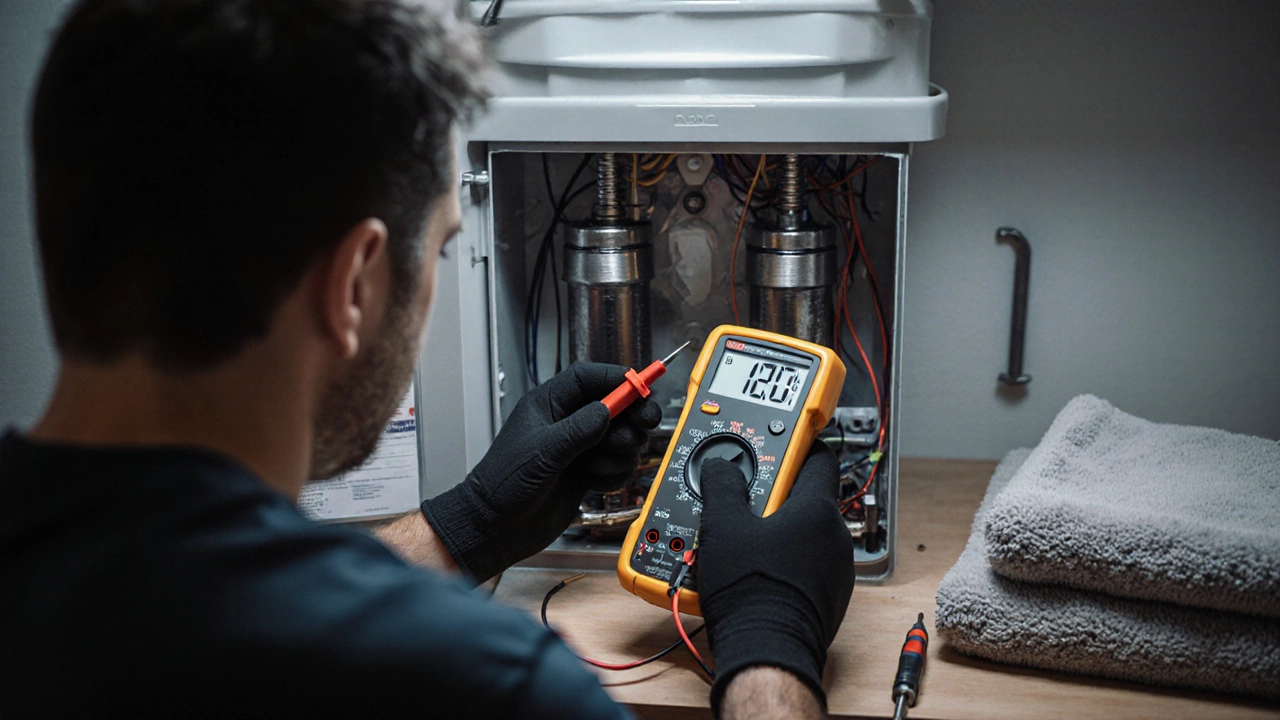
Many homeowners try to fix this themselves because replacing the element is cheaper than replacing the whole unit. You’ll need a multimeter to test if the element is dead, a wrench to remove it, and a new one that matches the voltage and wattage. But here’s the catch: if you skip flushing the tank first, new elements burn out fast because of sediment. That’s why water heater maintenance, a simple annual task of draining sediment to improve efficiency and extend lifespan matters more than most people realize. A quick flush can double the life of your element.
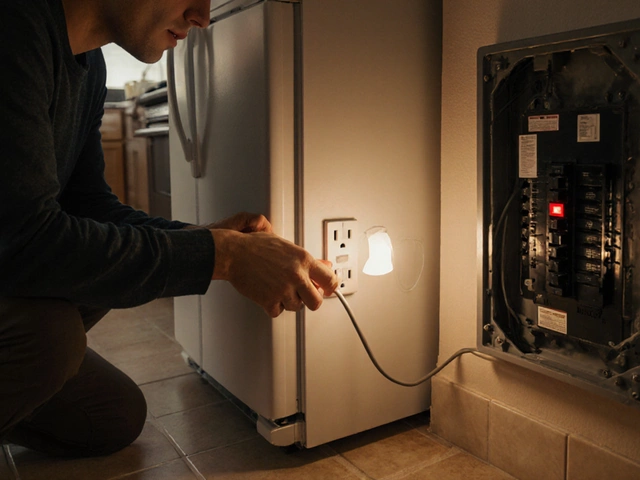
Don’t assume your water heater is broken just because you’re out of hot water. More often than not, it’s just the element. And if you’ve got a tripped breaker, a faulty thermostat, or a bad high-limit switch, those are easier fixes than replacing the whole tank. The good news? You can test the element in under 15 minutes with basic tools. The bad news? If you’ve got hard water and never flushed the tank, you’re likely looking at a short-lived replacement.
Below, you’ll find real-world guides on diagnosing why your water heater won’t kick on, how to flush sediment before replacing parts, how long these units actually last, and whether you should fix it yourself or call in a pro. No fluff. Just clear steps, common mistakes, and what actually works.