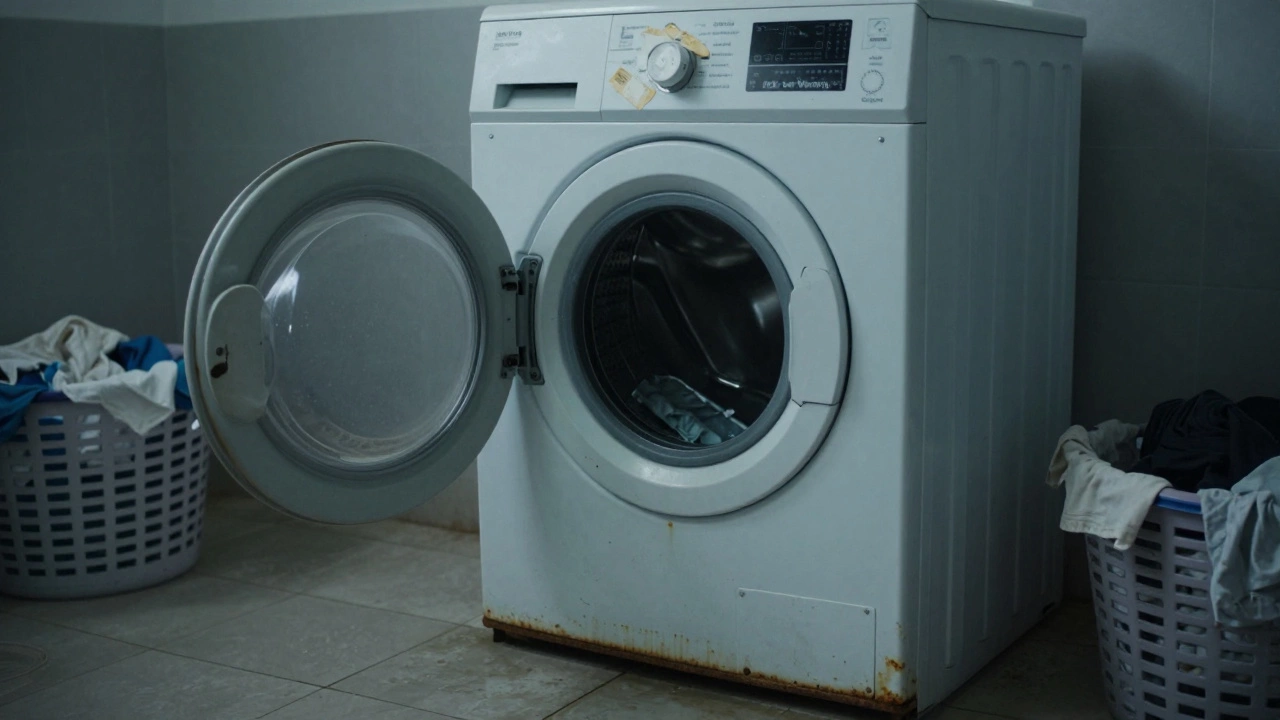
Washing Machine Replacement: When to Fix It vs. Buy New
When your washing machine, a household appliance designed to clean clothes using water and agitation. Also known as a washing appliance, it’s one of the most used devices in the home. starts making strange noises, leaks water, or just won’t spin, the big question isn’t just "Can it be fixed?"—it’s "Should it be fixed?" Many people jump straight to replacement without checking if a simple repair could save them hundreds. But here’s the truth: washing machine replacement isn’t always the answer. Sometimes, it’s just a worn-out belt, a clogged pump, or a faulty door lock costing under £50 to fix.
How do you know when it’s time to walk away? The appliance lifespan, the average time a household appliance functions reliably before failing for most washing machines is 10 to 12 years. If yours is older than that and you’re facing a £200 repair bill, you’re probably throwing good money after bad. Newer models use 30% less water and electricity, so even if the repair costs less than a new machine, the long-term savings from an energy-efficient model can pay for itself in under two years. And don’t forget the washing machine cost, the total price of buying and operating a washing machine, including repairs and energy use. A £400 machine with a £150 repair and high bills might cost more over time than a £600 model with a 10-year warranty and low energy ratings.
There are clear signs your washing machine is past its prime. If it’s shaking violently, taking twice as long to finish a cycle, or leaving clothes wetter than when they went in, those aren’t quirks—they’re red flags. Repeated repairs? That’s not luck, that’s a pattern. And if you’ve already spent more than half the price of a new unit on fixes, it’s time to think bigger. You’re not just buying a machine—you’re buying peace of mind, reliability, and lower utility bills. The fix or replace washing machine, the decision process between repairing an old appliance or purchasing a new one isn’t about emotion. It’s about numbers: age, repair cost, energy use, and how often you do laundry.
What you’ll find below isn’t a sales pitch. It’s a collection of real-world guides from people who’ve been there—whether they fixed a £30 part and saved £500, or walked away from a 14-year-old machine and finally got quiet, efficient laundry days. You’ll see how to test your machine’s motor, what to ask a repair technician, and why some repairs just don’t make sense anymore. No fluff. No upsells. Just the facts you need to decide if your washing machine is worth saving—or if it’s time for a replacement.