Test Water Heater Element: How to Check and Fix It Yourself
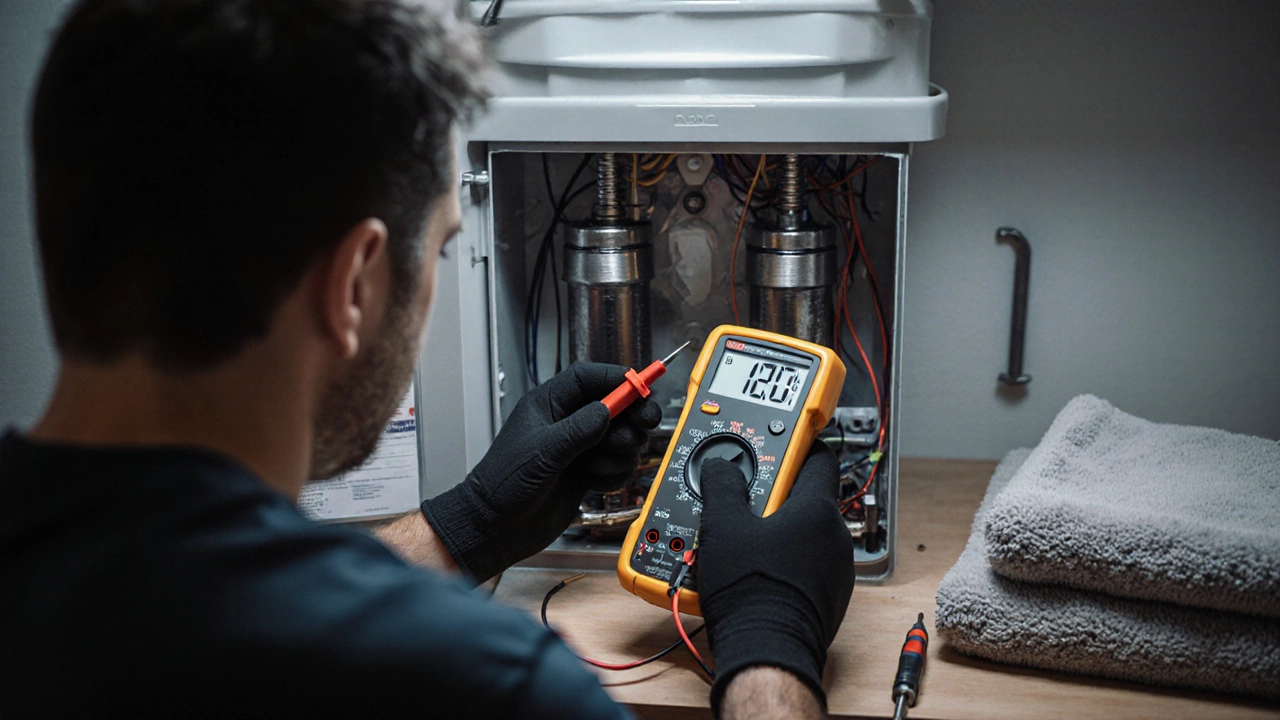
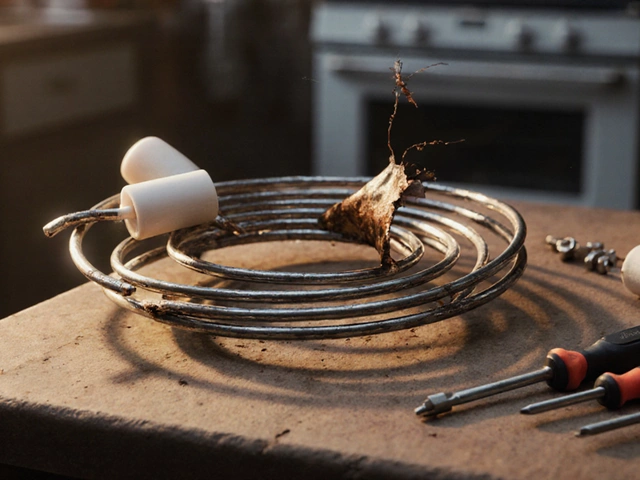
When your hot water stops coming, the problem is often a water heater element, a metal coil inside the tank that heats the water when electricity passes through it. Also known as a heating element, it’s one of the most common failure points in electric water heaters. If your water is lukewarm or cold, the element might be dead—not the whole tank, not the thermostat, just that one part. And guess what? You can test it yourself in under 15 minutes with a basic multimeter.
Testing a water heater element isn’t about guessing. It’s about measuring resistance. A good element usually reads between 10 and 16 ohms. If it shows zero or infinite resistance, it’s broken. You don’t need to be an electrician—you just need to turn off the power, drain a little water, and check the terminals. Many people replace the whole water heater when all they needed was a $30 element. And if you’ve ever seen a water heater, a tank that stores and heats water for showers, sinks, and laundry. Also known as a hot water tank, it’s one of the most used but least maintained appliances in the home. leaking or rusting, you might think it’s time to replace it. But often, the tank is fine. The real issue is the element or thermostat. Flushing the tank to remove sediment, as covered in other guides, can help, but if the element’s dead, no amount of flushing will bring back the heat.
Other problems like a tripped breaker, a bad thermostat, or a faulty high-limit switch can also kill your hot water. But if you’ve checked those and still have no hot water, the element is the next logical step. It’s cheap, easy to replace, and often the fix. You’ll find guides below that walk you through testing the element, replacing it safely, and even how to tell if your water heater is nearing the end of its 8–12 year life. No fluff. No jargon. Just clear steps so you know whether to grab a wrench or call a pro.
Below, you’ll find real-world advice from people who’ve been there—how to diagnose a bad element without a multimeter, what to do if the reset button keeps popping, and why some water heaters fail faster in hard water areas. Whether you’re trying to save money, avoid a service call, or just understand how your system works, these posts give you the tools to act—not just wait.