Replace Boiler – Your Full‑Scale Guide
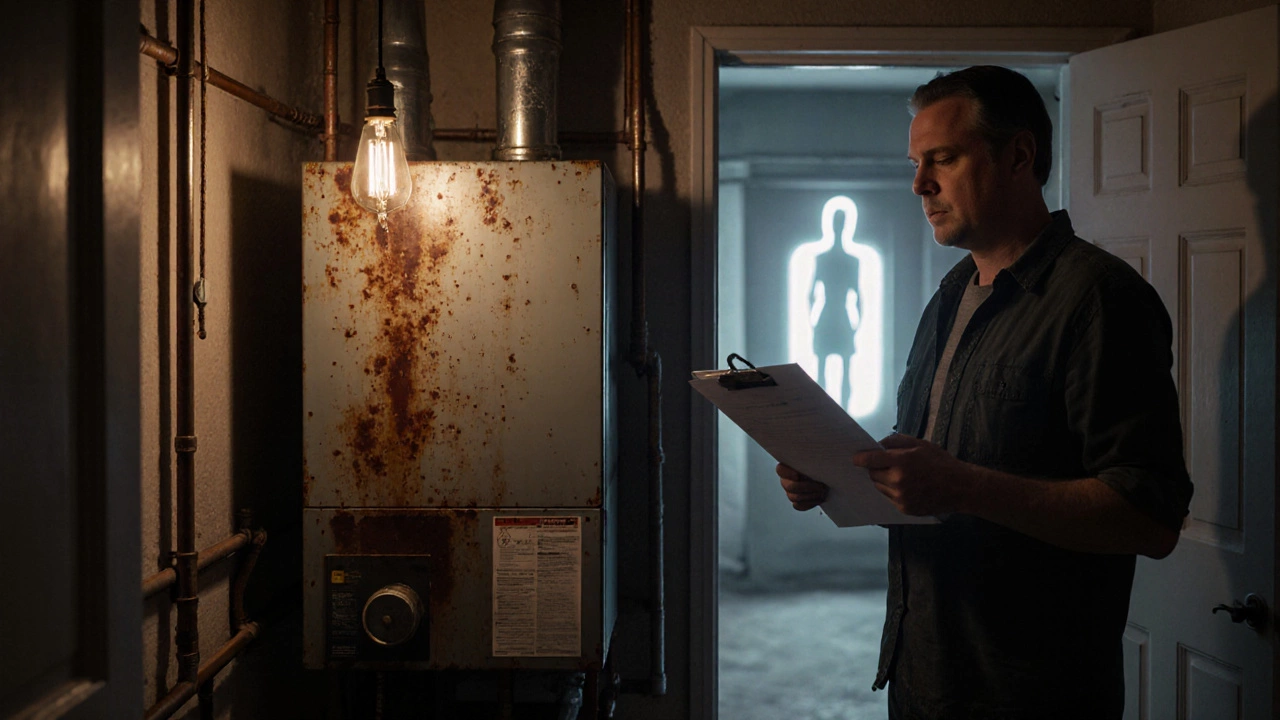
When tackling replace boiler, the process of removing an old boiler and installing a new, efficient unit. Also known as boiler replacement, it demands careful planning and the right expertise. The Boiler, the core component that heats water and distributes warmth throughout your home is the heart of any heating system, and swapping it out can dramatically cut energy bills. Understanding how the Heating system, the network of radiators, pipes, and controls that deliver heat works is the first step toward a smooth replacement.
One of the biggest questions homeowners face is the price tag. Boiler cost, the total amount you pay for the unit, labor, and any required accessories can range widely based on size, fuel type, and brand. In Rugby, a typical mid‑range gas boiler might run between £1,200 and £2,500, while a high‑efficiency condensing model could push £3,000+. Knowing these numbers helps you weigh the short‑term expense against long‑term savings on energy bills and carbon emissions.
Key Steps in a Successful Boiler Replacement
The first step is a thorough assessment. A qualified technician will check the existing pipework, flue, and controls to see if they can be reused. This is where boiler maintenance history matters – a well‑maintained unit often means fewer surprises during removal. Next comes the removal phase: disconnecting gas or oil supplies, draining the system, and safely dismantling the old boiler. Safety is non‑negotiable; improper handling can lead to gas leaks or water damage.
Installation follows a recipe of precision. The new boiler must be correctly sized for your home’s heat demand – too small and you’ll be shivering, too big and you waste fuel. The technician then positions the unit, reconnects the gas line, installs a new flue if needed, and ties into the existing water circuit. After the physical setup, a series of tests verify pressure levels, leak‑free connections, and proper combustion. Finally, the system is purged of air, filled, and calibrated to ensure optimal performance.
Post‑install checks are just as crucial as the work itself. The installer should walk you through the control panel, explain any new settings, and outline a maintenance schedule. Regular service – typically once a year – keeps the boiler running efficiently, detects wear early, and extends its lifespan beyond the average 10‑15 years. Skipping maintenance often leads to breakdowns that could have been avoided with a simple safety check.
What’s the real impact on your home? A modern, efficient boiler can reduce heating bills by 20‑30% and lower carbon output, which is a win for both your wallet and the environment. Plus, newer models often qualify for government incentives or rebates, further offsetting the initial outlay. By understanding the cost structure, the step‑by‑step process, and the importance of ongoing maintenance, you can make an informed decision that keeps your house warm and your mind at ease.
Ready to see how these ideas play out in real situations? Below you’ll find a collection of articles that dive deeper into diagnosing boiler troubles, budgeting for a new unit, and tips for maintaining your heating system year‑round. Each piece adds a piece to the puzzle, helping you move from uncertainty to confidence when you decide to replace your boiler.