Plumber vs Electrician: Know When to Call Each for Home Repairs
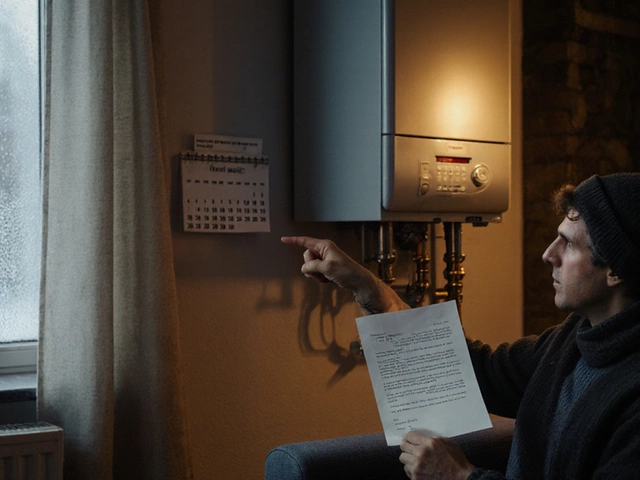
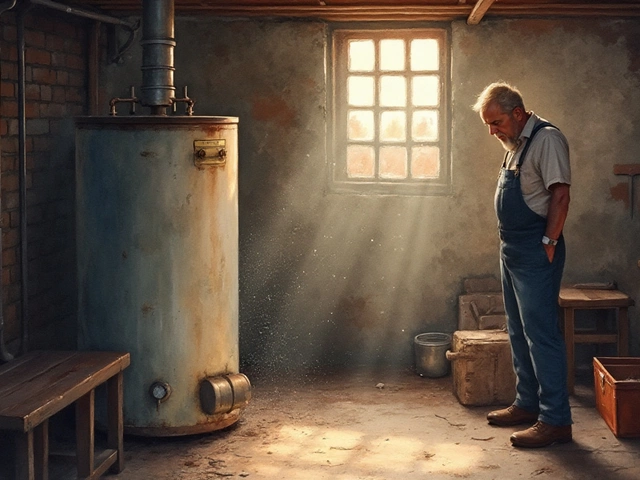
When your water heater, a device that heats and stores water for household use, often fails due to sediment buildup or a broken heating element stops working, you might wonder: should you call a plumber, a tradesperson trained to install and fix pipes, fixtures, and water systems or a electrician, a professional who works with electrical wiring, circuits, and appliances? It’s not always obvious. A plumber handles anything tied to water flow—pipes, drains, faucets, and water heaters that run on gas. An electrician steps in when the problem is with electricity—like a tripped breaker, faulty wiring, or a broken heating element in your oven or electric water heater. These two roles overlap sometimes, especially with appliances like water heaters, but knowing who does what saves you time, money, and frustration.
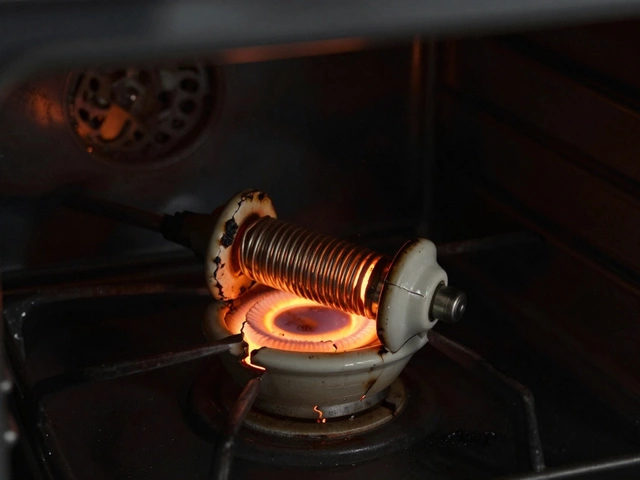
Most people don’t realize that your water heater can be either gas or electric—and that changes everything. If it’s gas, the issue is likely with the pilot light, gas valve, or venting, which is a plumber’s job. If it’s electric and there’s no hot water at all, it’s probably a bad thermostat, a blown heating element, or a tripped safety switch—those are electrician problems. Same goes for your oven: if the burner won’t light, that’s gas, call a plumber. If the oven won’t heat but the light works, that’s electrical, call an electrician. Even something as simple as a dishwasher not draining could be a clogged pipe (plumber) or a faulty pump motor (electrician). You don’t need to be an expert, but understanding these basic lines helps you ask the right questions and avoid being charged for the wrong service.
And it’s not just about fixing things—it’s about safety. Gas leaks? That’s a plumber and possibly a gas safety inspector. Electrical sparks from your fridge? That’s an electrician. Trying to fix either yourself without knowing the difference can be dangerous. Most of the posts below cover real-life scenarios like this: why your hot water heater won’t kick on, how to tell if your oven’s control board is dead, or when your gas appliances stop working all at once. These aren’t theoretical problems—they’re what people actually deal with in their homes. What you’ll find here are clear, no-fluff guides on diagnosing common issues, knowing when to DIY, and when to call the right pro. Whether you’re dealing with a broken water heater, a faulty oven element, or gas appliances that won’t light, this collection gives you the facts you need to make smart, safe decisions.