Heat Pump Total Cost of Ownership Calculator
Your Parameters
20-Year Cost Comparison
| Upfront Cost | £6,000 |
| Maintenance & Repairs | £1,500 |
| Energy Costs (20 yrs) | £0 |
| Total Cost of Ownership | £0 |
| Upfront Cost | £2,500 |
| Maintenance & Repairs | £3,500 |
| Energy Costs (20 yrs) | £0 |
| Total Cost of Ownership | £0 |
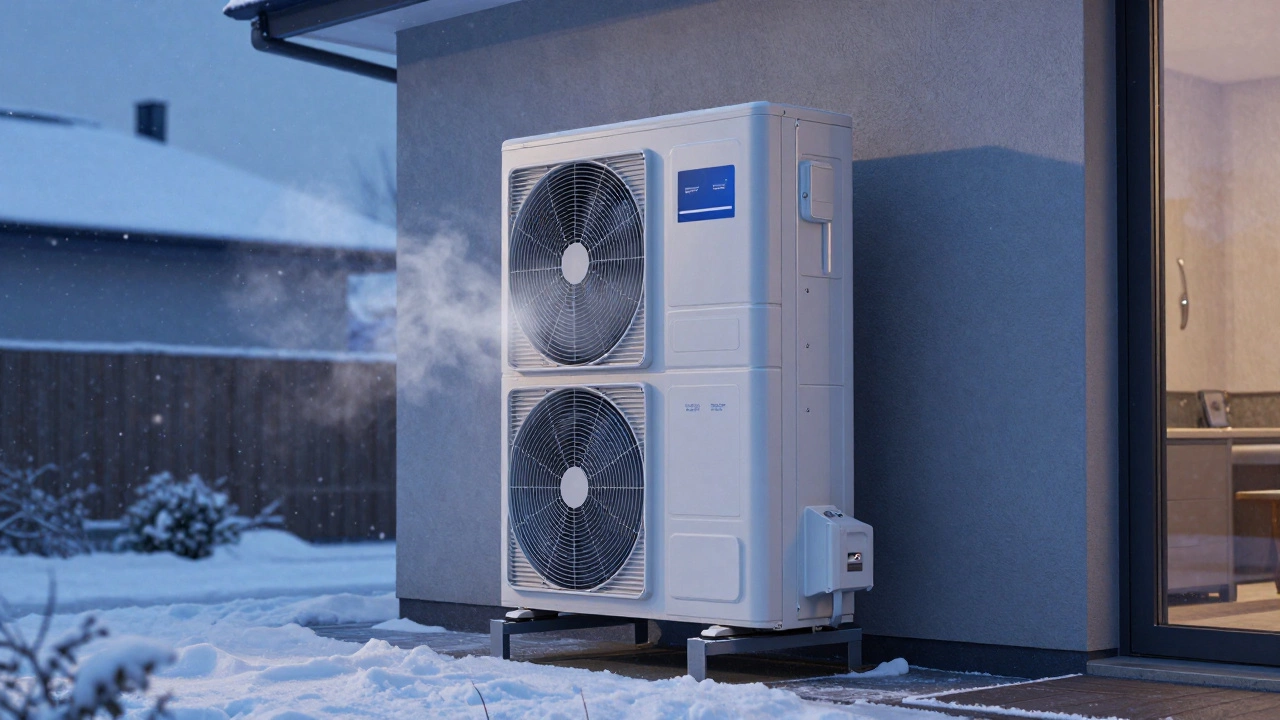
It’s -5°C outside. Your thermostat is set to 21°C. You walk into your living room expecting warmth, but the air feels stagnant. The unit hums, clicks, and then goes silent. That moment of panic-wondering if you need a quick fix or a complete replacement-is exactly why heat pump reliability matters more than any other feature on the spec sheet.
We’ve all been there. You bought a system promising low running costs and green energy credits, only to face a £800 repair bill in the middle of winter because the compressor failed after three years. Reliability isn’t just about how long the machine lasts; it’s about whether it keeps working when the weather turns brutal. In 2026, with rising electricity prices and stricter building regulations, choosing the right brand is no longer a luxury-it’s a financial necessity.
What Actually Makes a Heat Pump Reliable?
Before we name names, let’s strip away the marketing jargon. A reliable heat pump isn’t defined by its smart app features or its sleek casing. It’s defined by three mechanical pillars: the compressor, the refrigerant circuit, and the control board.
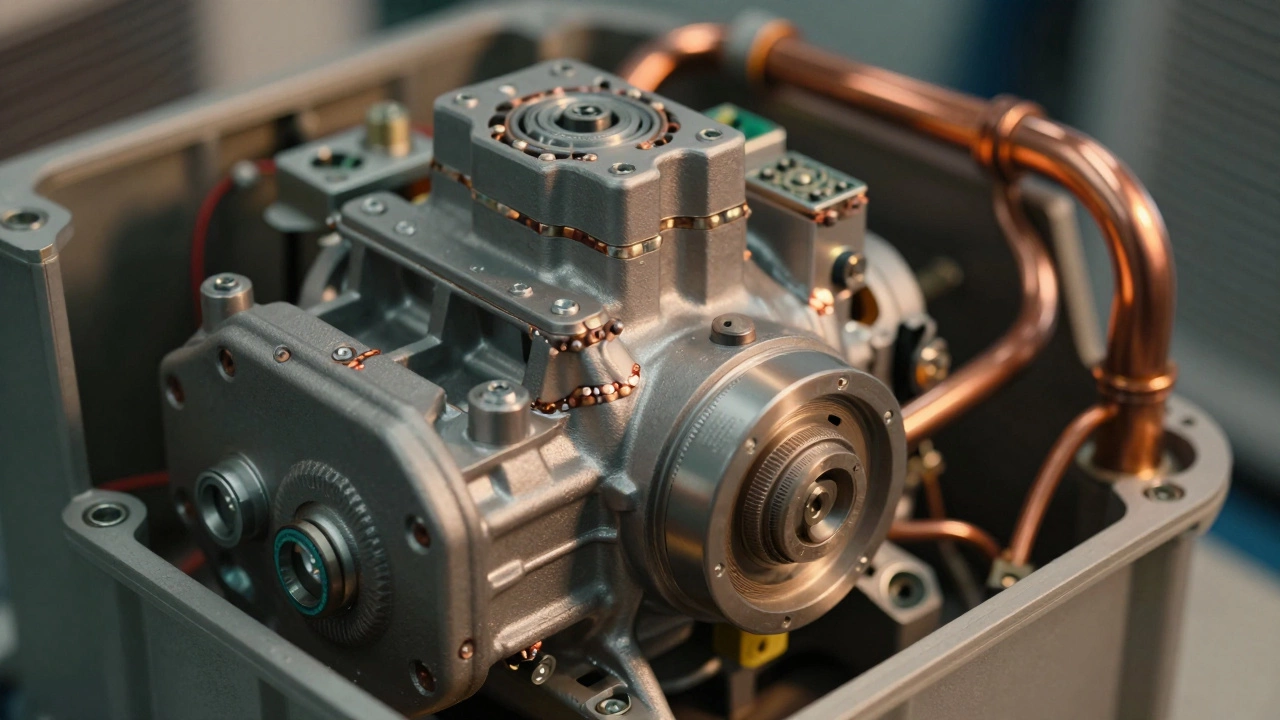
The compressor is the heart. If it fails, the whole system stops. High-end brands use rotary or scroll compressors from Japanese manufacturers like Panasonic or GMCC, which are engineered to handle thousands of start-stop cycles without wearing out. Cheaper models often use generic components that overheat under heavy load.
Then there’s the refrigerant. Most modern units use R32, which is more efficient but also more sensitive to moisture and leaks. A reliable brand seals these systems tightly during assembly. Poor manufacturing leads to micro-leaks that slowly degrade performance until the unit quits entirely.
Finally, the electronics. The control board manages defrost cycles, fan speeds, and safety shut-offs. If the software glitches or the board corrodes due to poor waterproofing, you’re looking at expensive diagnostics. Reliability means these components survive humidity, voltage spikes, and temperature swings for at least ten years.
Top Contenders for Reliability in 2026
Based on failure rate data from independent HVAC technicians and warranty claim statistics across Europe and North America, a few brands consistently stand out. These aren’t just popular; they’re proven.
| Brand | Origin | Key Strength | Common Failure Point | Avg. Lifespan |
|---|---|---|---|---|
| Mitsubishi Electric | Japan | Inverter technology & compressor durability | Outdoor fan motor (rare) | 15-20 years |
| Daikin | Japan | Integrated manufacturing & leak-proof sealing | Control board corrosion | 15-18 years |
| Vietrtherm | Germany | Build quality & cold-weather performance | Valve actuators | 12-15 years |
| Air Source Heat Pumps (ASHP) Generic/OEM | China/Various | Low upfront cost | Compressor burnout, PCB failure | 7-10 years |
Mitsubishi Electric: The Gold Standard
If money were no object, Mitsubishi Electric would be the default choice for most engineers. They don’t just assemble parts; they manufacture their own compressors, motors, and electronic expansion valves. This vertical integration means every component is designed to work together perfectly.
Their Hyper-Heating 2 (HH2) series is particularly notable for 2026 standards. It maintains full heating capacity down to -15°C, which is critical for regions with harsh winters. Because the compressor doesn’t have to struggle as hard in extreme cold, wear and tear are significantly reduced. Technicians report fewer service calls for Mitsubishi units compared to competitors, especially regarding refrigerant leaks.
The downside? Price. You’ll pay 20-30% more upfront than for mid-tier brands. But when you factor in lower maintenance costs and a lifespan that often exceeds 15 years, the total cost of ownership drops considerably.
Daikin: The Consistent Performer
Daikin is another Japanese giant that rivals Mitsubishi in reliability. Their strength lies in consistency. Whether you buy a residential split system or a larger monobloc unit, the build quality remains high. Daikin uses proprietary Flaretech connections, which reduce the risk of refrigerant leaks during installation-a common cause of early failure in cheaper brands.
In 2026, Daikin’s Altherma range dominates the European market. These units are optimized for low-temperature radiators and underfloor heating. One advantage Daikin has is its extensive dealer network. If something does go wrong, finding a certified technician who knows the system inside out is easier than with niche brands.
However, some users report issues with the user interface freezing or losing Wi-Fi connectivity. While this doesn’t affect heating performance, it can be frustrating if you rely on remote monitoring. Regular firmware updates usually resolve these glitches.
Vietrtherm: German Engineering for Cold Climates
If you live in an area where temperatures regularly drop below -10°C, Vietrtherm deserves serious consideration. As a German manufacturer, they prioritize robustness over flashy features. Their units are built like tanks, with thick insulation and heavy-duty copper piping.
Vietrtherm’s heat pumps excel in wet, cold environments. The outdoor units are coated with anti-corrosion materials that withstand salt spray and acid rain better than many Asian competitors. This makes them ideal for coastal areas or industrial zones.
The trade-off is efficiency at moderate temperatures. Vietrtherm units are slightly less efficient than Mitsubishi or Daikin when it’s 5°C outside. But when it’s freezing, they keep running while others switch to electric backup heaters. For reliability in extreme conditions, they’re hard to beat.
Brands to Approach with Caution
Not all heat pumps are created equal. Several budget-friendly brands flood the market with attractive prices but questionable longevity. These units often use OEM (Original Equipment Manufacturer) components sourced from China, rebranded and sold under lesser-known labels.
Common red flags include:
- No local service network: If you can’t find a certified technician within 50 miles, avoid the brand. Waiting weeks for a specialist defeats the purpose of having heating.
- Short warranties: Reputable brands offer 5-10 year warranties on parts. If a company only guarantees one year, they expect failures.
- Poor documentation: If the manual is vague or error codes aren’t clearly explained, troubleshooting becomes a nightmare.
Some owners report that cheap units fail within 3-4 years due to compressor burnout or PCB corrosion. The initial savings vanish quickly when you factor in repair bills and premature replacement.
Installation Quality Matters More Than Brand
Here’s a hard truth: even the most reliable heat pump will fail if installed poorly. I’ve seen Mitsubishi units break down because the installer used the wrong refrigerant charge or didn’t vacuum the lines properly. Conversely, I’ve seen mid-tier brands last 12 years thanks to meticulous installation.
Key installation factors that impact reliability:
- Refrigerant Charging: Must be precise. Overcharging causes high pressure and compressor strain. Undercharging leads to overheating and oil return issues.
- Electrical Connections: Loose wires cause arcing and board damage. Proper grounding prevents surge damage.
- Placement: Outdoor units need airflow. Blocking vents with shrubs or walls reduces efficiency and forces the compressor to work harder, shortening its life.
- System Sizing: An oversized unit short-cycles (turns on/off frequently), causing wear. An undersized unit runs continuously, leading to fatigue.
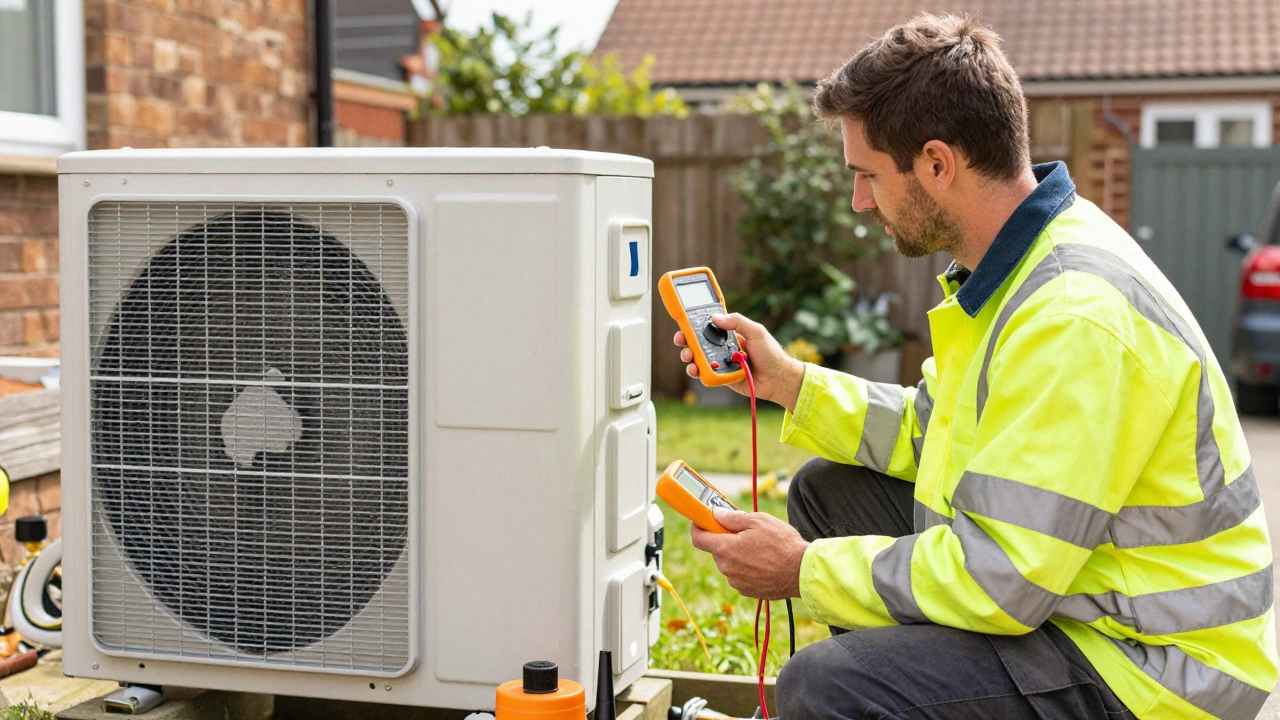
Always hire a certified installer. Check their credentials, ask for references, and ensure they perform a thorough commissioning test before handing over the keys. This step alone can add five years to your heat pump’s lifespan.
Maintenance: The Secret to Longevity
Reliability isn’t passive. Even top-tier brands require annual maintenance to perform optimally. Neglecting this is like ignoring your car’s oil change-you might drive fine for a while, but eventually, something breaks.
Annual checks should include:
- Cleaning the outdoor coil to remove dust, leaves, and debris.
- Inspecting refrigerant levels for leaks.
- Testing electrical connections for tightness and corrosion.
- Verifying defrost cycle functionality.
- Checking drain pipes for blockages.
Many homeowners skip this, assuming “if it ain’t broke, don’t fix it.” But small issues like a clogged filter or a loose wire can escalate into major failures. Spending £100-£150 annually on professional maintenance saves thousands in repairs down the line.
Cost vs. Reliability: Making the Right Choice
Let’s talk numbers. A premium heat pump from Mitsubishi or Daikin costs between £4,000 and £7,000 installed. A budget option might cost £2,500. At first glance, the savings seem significant. But consider the lifetime cost.
If the budget unit fails after five years, you pay another £2,500 plus disposal fees. Meanwhile, the premium unit lasts 15 years with minimal repairs. Over two decades, the premium option is actually cheaper. Plus, higher efficiency ratings mean lower electricity bills every month.
Don’t forget government incentives. In many regions, rebates cover 20-30% of the installation cost for high-efficiency models. These grants often favor established brands with verified performance data, making them even more affordable.
Future-Proofing Your Investment
By 2026, heat pumps are transitioning from niche products to standard home equipment. Regulations are tightening, and older technologies are being phased out. Choosing a reliable brand ensures compatibility with future grid demands and smart home integrations.
Look for units with:
- Modbus connectivity: Allows integration with solar panels and battery storage.
- Variable speed compressors: Adjust output smoothly, reducing wear and saving energy.
- R32 refrigerant: The current standard, with better environmental properties than older gases.
Brands that invest in R&D today will support their products tomorrow. Avoid companies that haven’t released new models in recent years-they may stop producing spare parts soon.
Which heat pump brand has the lowest failure rate?
Mitsubishi Electric and Daikin consistently report the lowest failure rates among major brands. Their in-house manufacturing of key components like compressors and control boards reduces variability and increases durability. Independent studies show fewer service calls per unit for these brands compared to generic OEM alternatives.
How long should a reliable heat pump last?
A well-maintained heat pump from a reputable brand typically lasts 15 to 20 years. Factors affecting lifespan include installation quality, annual maintenance, climate severity, and usage patterns. Budget brands may only last 7-10 years before requiring major repairs or replacement.
Is it worth paying extra for a premium brand?
Yes. While premium brands cost 20-30% more upfront, their longer lifespan, higher efficiency, and lower repair frequency result in lower total cost of ownership. Government rebates often offset the initial price difference, making premium options financially smarter in the long run.
Can poor installation ruin a reliable heat pump?
Absolutely. Incorrect refrigerant charging, improper electrical connections, or poor placement can cause premature failure even in top-tier units. Always hire certified installers who follow manufacturer guidelines and perform comprehensive commissioning tests.
What maintenance is needed to ensure reliability?
Annual professional maintenance is essential. This includes cleaning coils, checking refrigerant levels, inspecting electrical connections, and verifying defrost cycles. Homeowners should also clean filters monthly and keep outdoor units clear of debris to prevent airflow restrictions.