Anode Rod Health & Replacement Estimator
Enter your water heater details to estimate the condition of your sacrificial anode rod. This tool helps you decide whether to inspect or replace it now.
Assessment Results
Recommendation:
Why this recommendation?
Most homeowners never think about the anode rod until their water heater starts leaking or making weird noises. It’s a simple steel or magnesium core wrapped in aluminum or zinc, designed to corrode so your expensive steel tank doesn’t have to. But when that rod is fully consumed, the rusting process shifts to the tank walls themselves. In Adelaide’s hard water areas, this degradation can happen faster than you’d expect, often within three to five years.
If you’re noticing rusty water, strange smells, or just want to ensure your unit lasts its full lifespan, checking the anode rod is one of the cheapest and most effective maintenance tasks you can do. You don’t need a plumber for the inspection-just a socket wrench, a flashlight, and ten minutes of your time. Here is exactly how to spot the signs of failure and what to do next.
What Exactly Does an Anode Rod Do?
To understand why a bad rod matters, you first need to grasp the chemistry. Your water heater tank is made of steel. Water contains oxygen and minerals that naturally cause iron to oxidize (rust). The sacrificial anode rod is made of a metal more active than steel, such as magnesium, aluminum, or zinc. Because it is more chemically reactive, electricity flows from the rod to the tank wall. This process, known as cathodic protection, ensures the rod corrodes instead of the tank.
Think of it like a lightning rod for rust. As long as the rod has material left on it, it takes the hit. Once the rod is eaten away, the steel tank becomes the path of least resistance for that corrosive energy. That’s when leaks start appearing at the seams or the drain valve.
Top 5 Signs Your Anode Rod Needs Replacing
You usually won’t see the rod unless you remove it, but your water heater will give you plenty of clues before it fails completely. Watch for these specific symptoms:
- Rusty or Discolored Hot Water: If your cold water runs clear but the hot water comes out brown, orange, or yellow, it’s a strong indicator that the tank interior is rusting. This happens because the protective layer provided by the anode is gone.
- Sulfur or Rotten Egg Smell: Bacteria thrive in stagnant water heaters. A healthy magnesium anode helps suppress sulfur-reducing bacteria. When the rod degrades, those bacteria multiply, producing hydrogen sulfide gas. If your shower smells like rotten eggs, check the rod.
- Loud Popping or Cracking Noises: While sediment buildup causes noise, severe corrosion can create air pockets or structural changes inside the tank that amplify sounds. If cleaning the tank doesn’t stop the banging, inspect the rod.
- Visible Corrosion on Pipes: Look at the inlet and outlet pipes connected to the top of the heater. If you see greenish-white or reddish-brown crust forming around the joints, galvanic corrosion is occurring. This suggests the anode isn’t doing its job protecting the connections.
- Age of the Unit: If your water heater is over five years old and the rod has never been checked, assume it’s compromised. In hard water regions, rods can vanish entirely in under four years.
How to Inspect the Anode Rod Yourself
Checking the rod is straightforward, but safety comes first. Turn off the power (electric) or set the gas control valve to "Pilot" or "Off." Then, shut off the cold water supply to the heater.
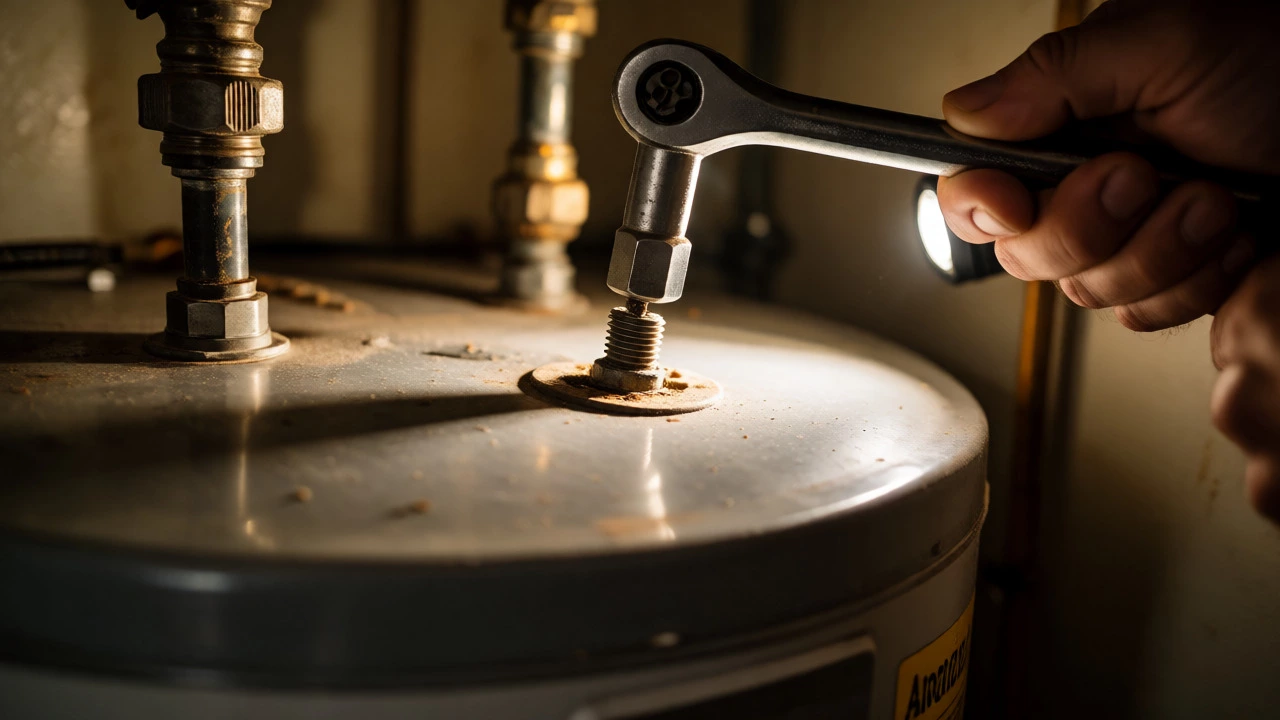
- Locate the Rod: It’s usually found on top of the tank, sticking up like a nipple. Sometimes it’s hidden behind a plastic cover. On some newer models, it might be integrated into the hot water outlet pipe.
- Loosen the Hex Head: Use a 1-1/16 inch socket wrench. Be careful-the rod is threaded tightly. If it hasn’t moved in years, it might be seized due to corrosion. Apply penetrating oil if needed, but avoid using excessive force that could crack the tank weld.
- Pull It Out Slowly: As you unscrew it, water will leak out. Have a bucket ready. Pull the rod out gently. It’s fragile when heavily corroded and can snap if yanked too hard.
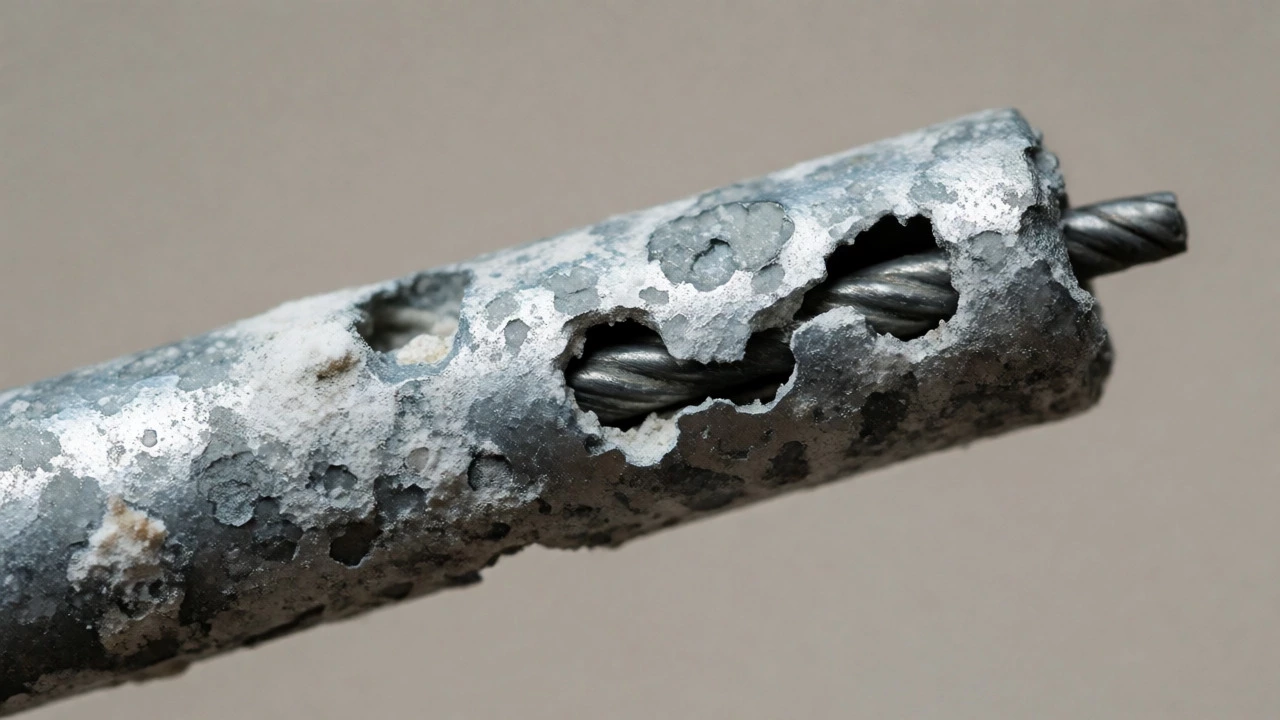
- Examine the Core: Look at the wire or cable running through the center. If you can see bare steel wire everywhere, the coating is gone. Replace it immediately.
Choosing the Right Replacement Material
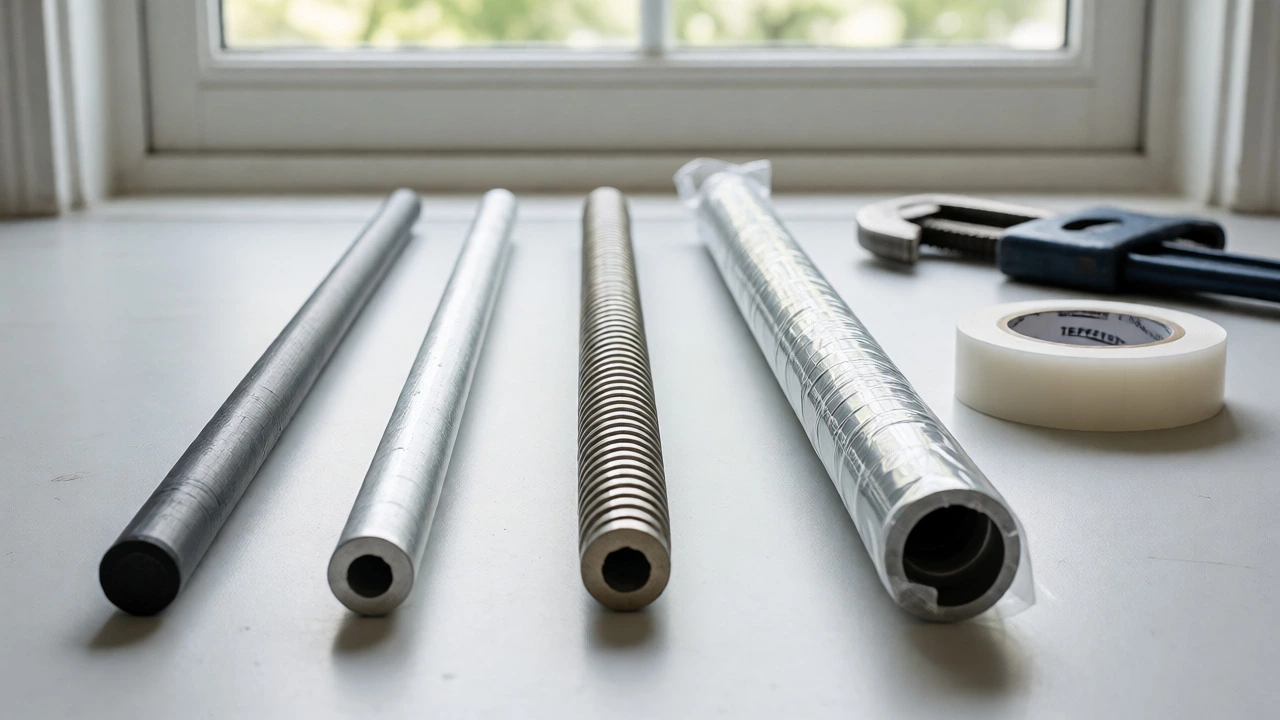
Not all anode rods are created equal. Your choice depends on your water type and local regulations. In Australia, and specifically Adelaide, water hardness varies by suburb, which impacts which metal works best.
| Material | Best For | Lifespan Estimate | Pros & Cons |
|---|---|---|---|
| Magnesium | Soft to moderately hard water | 3-5 years | Highly effective; may react with high mineral content causing scale. |
| Aluminum | Hard water areas | 5-7 years | Lasts longer; less likely to cause odor issues. |
| Zinc-Aluminum | Smelly water problems | 5-7 years | Adds zinc to kill sulfur bacteria; slightly more expensive. |
| Powered Anode | Very hard water or well water | Indefinite (with current) | Uses electricity to protect tank; no replacement needed, but requires wiring. |
In Adelaide, where bore water and treated mains water can both be hard, aluminum or zinc-aluminum rods are often superior to standard magnesium. Magnesium reacts aggressively with calcium and magnesium minerals in hard water, creating heavy scale that insulates the rod and stops it from working. Aluminum handles this better. If you suffer from the "rotten egg" smell, go for the zinc-aluminum blend.
Step-by-Step Replacement Guide
Once you’ve confirmed the old rod is spent, installing a new one is quick. Here’s how to do it without making a mess:
- Clean the Threads: Wipe down the opening on the tank where the rod screws in. Remove any debris or old Teflon tape.
- Apply Thread Sealant: Wrap the new rod’s threads with Teflon tape (PTFE) clockwise. Alternatively, use pipe dope. This prevents leaks at the connection point.
- Insert the New Rod: Carefully lower the new rod into the tank. Don’t drop it! If the rod hits the bottom, it can dent the tank lining, leading to future leaks. Lower it slowly until it seats properly.
- Tighten Securely: Hand-tighten first, then use your wrench to snug it up. Do not overtighten, as you can strip the threads or crack the tank collar. A firm turn past hand-tight is sufficient.
- Refill the Tank: Open the hot water tap in a sink or bathtub to let air escape. Leave it open until water flows steadily without sputtering. This ensures the tank fills completely.
- Restore Power/Gas: Only after the tank is full should you turn the electricity back on or relight the pilot. Turning on an empty electric heater will burn out the elements instantly.
Common Mistakes Homeowners Make
Even with good intentions, people often botch this simple task. The biggest error is ignoring the flexible anode rod option. If your water heater is installed in a tight cupboard with low ceilings, you physically cannot pull a rigid 40-inch rod out. In these cases, buy a flexible chain-style anode. It bends to fit into confined spaces.
Another mistake is assuming a powered anode solves everything. While they last forever, they require a continuous electrical connection. If your home loses power during a storm, the protection stops. For most residential setups in suburban Adelaide, a traditional sacrificial rod is cheaper and more reliable.
Finally, don’t forget to check the dielectric unions. These plastic washers separate the copper pipes from the steel tank. If they degrade, electrolysis accelerates, eating away the tank regardless of how good your anode rod is.
When to Call a Professional
You should call a licensed plumber if:
- The anode rod is seized and won’t budge even with penetrating oil. Forcing it can crack the tank flange.
- You notice actual water dripping from the tank body, not just the fittings. This means the corrosion has already breached the steel.
- Your water heater is older than 10 years. At this point, replacing the rod might cost $150-$200, while a new unit costs significantly more but offers warranty protection. However, a new rod can sometimes extend the life of an older tank by another two years, buying you time to save for a replacement.
Can I replace an anode rod myself?
Yes, absolutely. It requires basic tools like a socket wrench and a bucket. Just ensure you turn off the power and water supply first. If the rod is stuck, apply penetrating oil and wait 15 minutes before trying again.
How often should I check my anode rod?
Inspect it every 2-3 years. If you live in an area with very hard water, check it annually. Replacing it proactively is much cheaper than fixing a leaking tank.
Does anode rod color matter?
The color indicates the material. Silver/gray is usually aluminum or zinc. Dark gray/black is magnesium. White powdery residue is calcium carbonate buildup, common in hard water areas like parts of Adelaide.
What if the anode rod breaks inside the tank?
If the rod snaps, try to fish out the pieces with pliers. If you can’t retrieve them, leave them. They will continue to offer some minor protection until fully dissolved, though you should install a new rod via the other available port if possible.
Is a powered anode better than a sacrificial one?
Powered anodes are great for well water or extremely hard water because they don't get consumed. However, they are more expensive upfront and require electrical wiring. For standard municipal water, sacrificial rods are cost-effective and efficient.