No Hot Water Troubleshooter
Follow the steps below to diagnose the issue. Click on each step to reveal the specific checks and solutions.
Select a Step to Begin
Choose an option from the left to see detailed instructions and potential fixes.
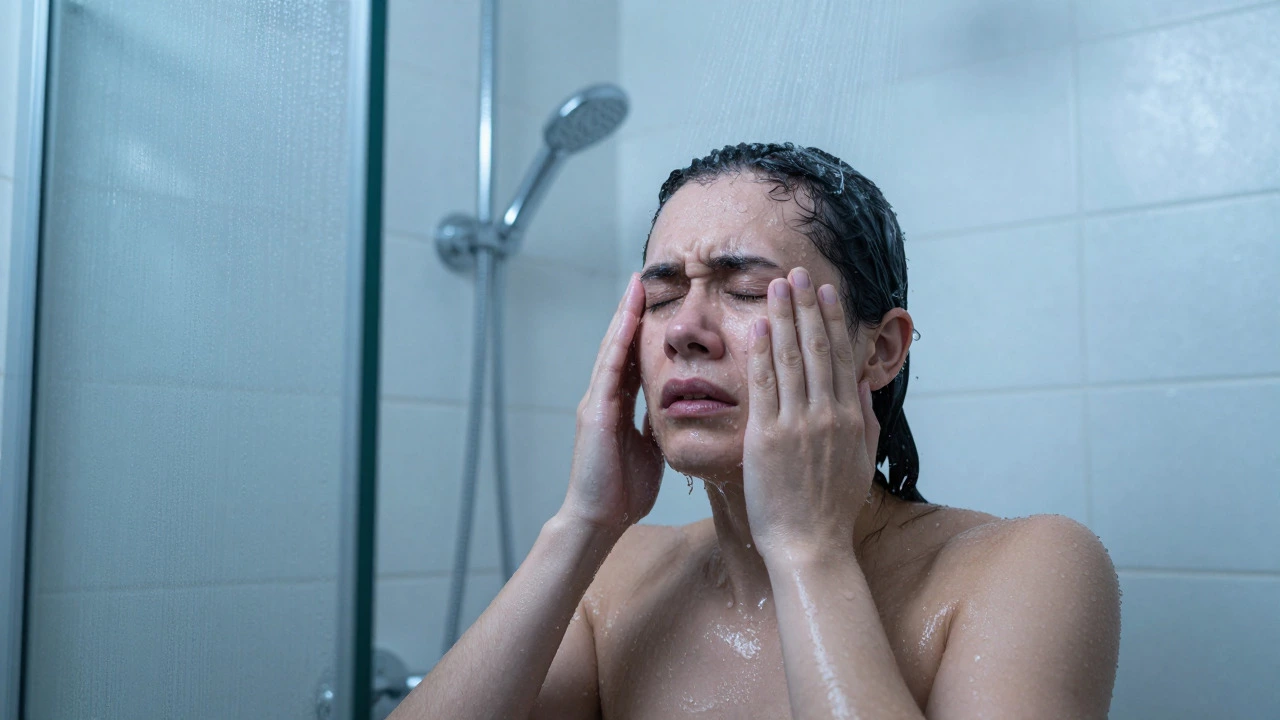
There is nothing more annoying than stepping into the shower and getting hit with a blast of ice-cold water. You turn the handle, wait, and wait, but the temperature never rises. If you are dealing with no hot water in your shower, the problem usually lies with your water heater, not the plumbing itself. Whether you have an electric tank unit or a gas instant system, the fixes often follow a similar logical path.
Before you call a plumber or electrician, take ten minutes to check these common culprits. Most issues are minor and can be resolved with basic tools and a bit of patience. This guide walks you through the most likely causes, from simple electrical checks to thermostat adjustments, so you can get back to a warm shower quickly.
Quick Summary / Key Takeaways
- Check the power first: For electric heaters, ensure the circuit breaker hasn't tripped and the isolation switch is on.
- Inspect the thermostat: A faulty or misadjusted thermostat is one of the top reasons for lukewarm or cold water.
- Look for gas supply issues: Gas heaters require a lit pilot light or functioning ignition system; check if the flame is out.
- Examine the mixing valve: Sometimes the water heater works fine, but the shower's thermostatic mixing valve is stuck or broken.
- Know when to call a pro: If you smell gas, see leaks, or hear unusual noises, shut off the supply and call a licensed technician.
Identify Your Water Heater Type
The first step in fixing any appliance issue is knowing exactly what you are working with. In Australia, most homes use either an electric storage water heater (a large cylinder) or a gas continuous flow water heater (a smaller unit mounted near the bathroom or garage). The troubleshooting steps differ significantly between the two.
If you have a large white or grey cylinder in your laundry, garage, or under the house, you likely have an electric storage system. These store a set amount of heated water. If you have a compact box-like unit with a gas pipe connected to it, you probably have a gas instant system. These heat water only when the tap is turned on. Identifying the type helps you narrow down where to look for the fault.
Electric Water Heater Troubleshooting Steps
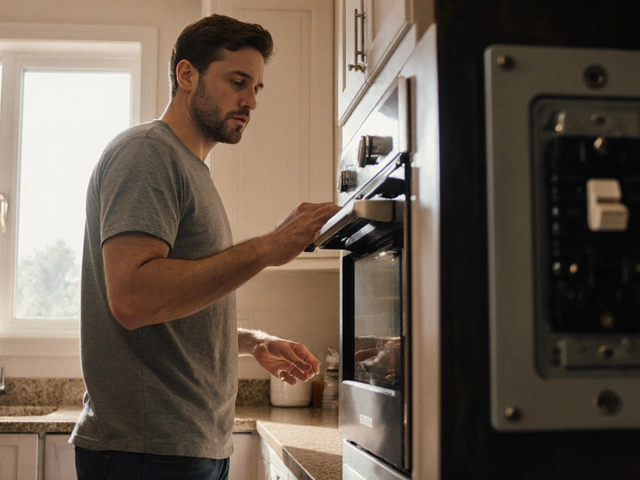
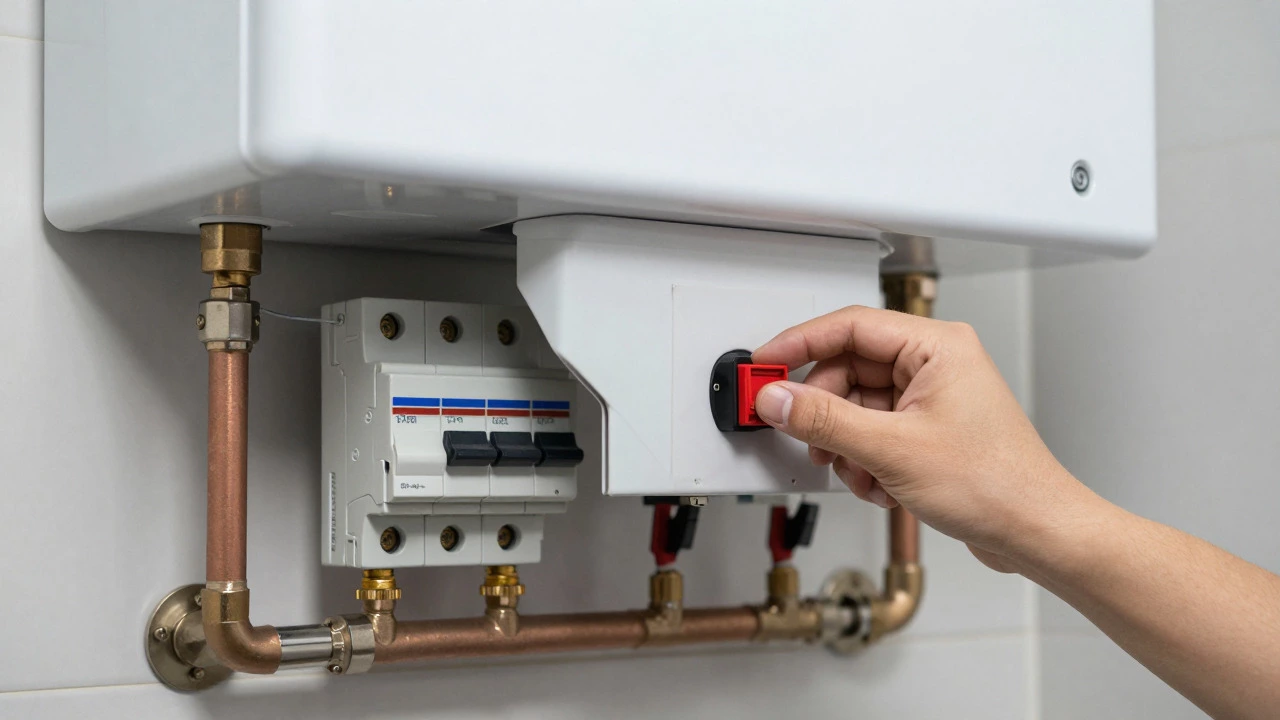
For electric systems, the most common cause of no hot water is a loss of power to the unit. Start by checking the main switchboard in your home. Look for the dedicated circuit breaker for the water heater. If it has tripped, flip it back up. If it trips again immediately, there may be a short circuit, and you should leave it alone until a professional arrives.
Next, check the local isolation switch near the water heater. This is a small switch, often red or black, located on the wall next to the unit. Make sure it is in the 'on' position. Many homeowners forget this exists, assuming the main breaker is the only control.
If power seems fine, the issue might be the heating elements or the thermostat. Electric heaters typically have two heating elements and two thermostats: one for the upper element and one for the lower. If the upper thermostat fails, you might get some warm water initially, but it will cool down quickly. If both fail, you get no heat at all. Replacing a thermostat is a DIY-friendly task if you are comfortable with basic electrical work, but always isolate the power before touching any components.
Gas Water Heater Troubleshooting Steps
Gas heaters rely on a continuous flow of gas and air to create a flame. If you have no hot water, the flame might be out. Listen for the clicking sound that indicates the ignition system is trying to light the burner. If you hear clicks but no flame, the igniter might be dirty or faulty.
Check the gas supply valve. It should be parallel to the pipe to indicate it is open. If it is perpendicular, it is closed. Turn it back to the open position. Also, verify that the gas meter is showing activity. If the entire house has no gas, the issue is external, and you need to contact your gas provider.
Another common issue with gas units is the thermocouple. This safety device ensures the gas valve stays open only when the pilot light is burning. If the thermocouple is weak or corroded, the gas valve will shut off, cutting the heat. Cleaning or replacing the thermocouple is a standard maintenance task that can restore function.
Check the Shower Mixing Valve
Sometimes the water heater is working perfectly, but the shower head delivers cold water because of a fault in the thermostatic mixing valve. This valve blends hot and cold water to maintain a set temperature. If the internal cartridge fails, the valve might stick in the cold position or lose its ability to sense temperature changes.
To test this, run the hot water tap in the kitchen or bathroom sink. If you get hot water there but not in the shower, the problem is almost certainly the shower valve. Replacing the cartridge inside the mixing valve is a manageable DIY project. You will need a screwdriver and possibly a specific key tool for the trim plate. Remove the handle, access the valve body, and replace the old cartridge with a new one matching the model number.
When to Call a Professional
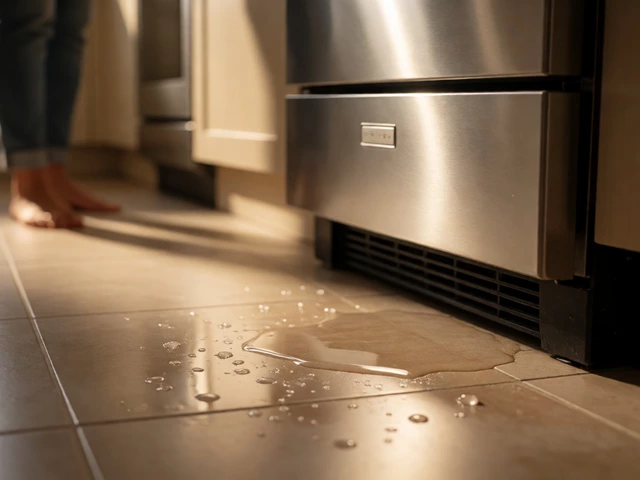
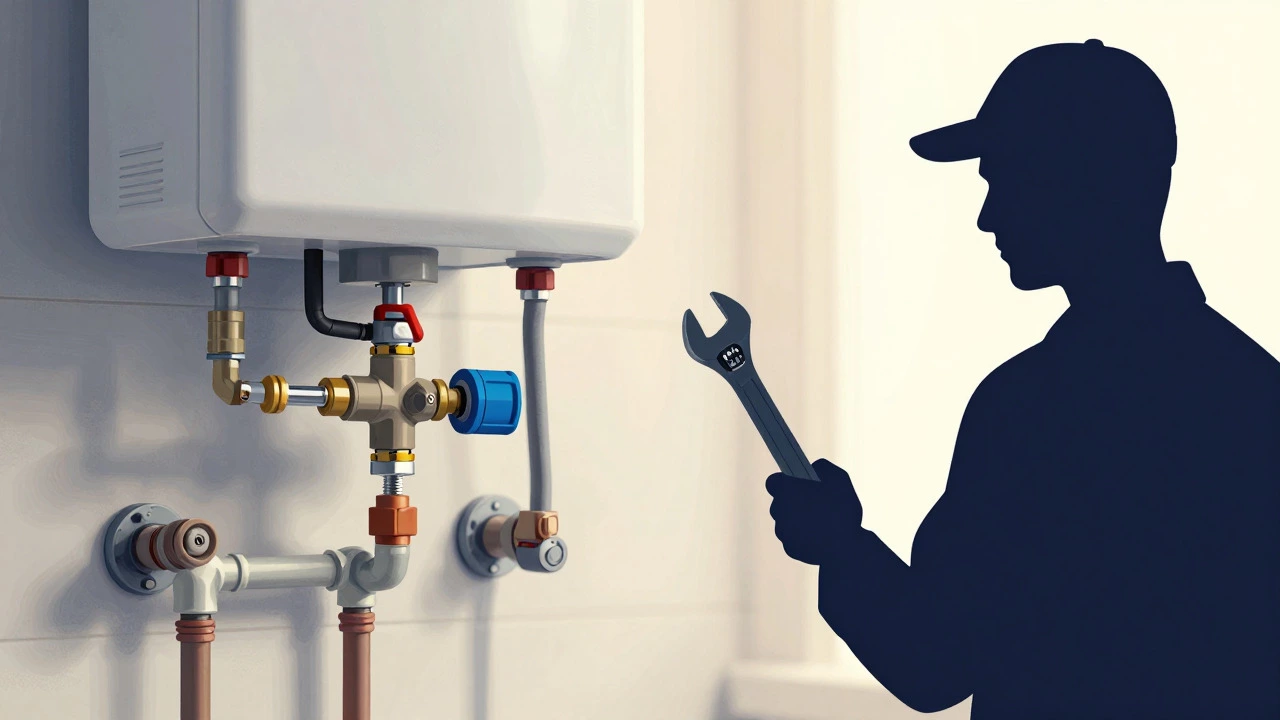
While many issues are fixable at home, some signs indicate a deeper problem that requires expert attention. If you smell gas, evacuate the area and call your gas supplier or a licensed gasfitter immediately. If you see water leaking from the bottom of the heater, the tank may be corroding, which is often a sign the unit needs replacement rather than repair.
Unusual noises like banging, gurgling, or rumbling can indicate sediment buildup or pressure issues. While flushing the tank can help, persistent noise might mean internal damage. Also, if the water comes out discolored or smells metallic, the tank lining might be failing. In these cases, calling a licensed plumber or electrician is safer and more cost-effective than risking further damage.
Preventive Maintenance Tips
Regular maintenance can prevent sudden breakdowns. For electric heaters, flush the tank annually to remove sediment that insulates the heating elements and reduces efficiency. For gas heaters, clean the burner ports and check the flue vent for blockages. Ensure the pressure relief valve functions correctly by lifting the lever slightly to release a small amount of water.
Keep the area around the water heater clear of clutter to allow for proper ventilation and easy access. Label the circuit breakers and isolation switches so anyone in the household knows how to cut power or gas in an emergency. Simple habits like these extend the life of your equipment and keep your showers reliable.
Why does my shower have no hot water but the taps do?
This usually points to a fault in the thermostatic mixing valve within the shower assembly. The water heater is supplying hot water correctly, but the valve responsible for blending it with cold water is stuck or damaged. Replacing the valve cartridge often resolves this issue.
How long should I wait for hot water after turning on the heater?
For electric storage heaters, it can take 1 to 4 hours to fully reheat the tank depending on size and power rating. For gas instant heaters, hot water should arrive within seconds. If an electric heater has been off for a long time, give it time before assuming it is broken.
Is it safe to fix a water heater myself?
Basic checks like resetting breakers or cleaning filters are safe for most homeowners. However, working on live electrical components or gas lines carries risk. Always isolate power or gas before opening any panels. If unsure, hire a licensed electrician or gasfitter to ensure compliance with Australian standards.
What is the lifespan of a typical water heater?
Electric storage tanks typically last 8 to 12 years, while gas instant heaters can last 10 to 15 years with proper maintenance. Signs of aging include frequent repairs, rust, or decreased heating capacity. Regular flushing and inspection can help reach the upper end of this range.
Can a clogged filter cause no hot water?
Yes, especially in gas systems. A blocked inlet filter restricts water flow, which can trigger low-flow cutoffs or reduce heating efficiency. Check and clean the inlet screen periodically to ensure smooth water passage and consistent temperature output.