Extractor Fan Diagnostic Tool
Select the symptom your extractor fan is exhibiting to receive a diagnosis and recommended fix.
Safety Reminder
- STOP Always turn off the power at the switchboard before opening the unit.
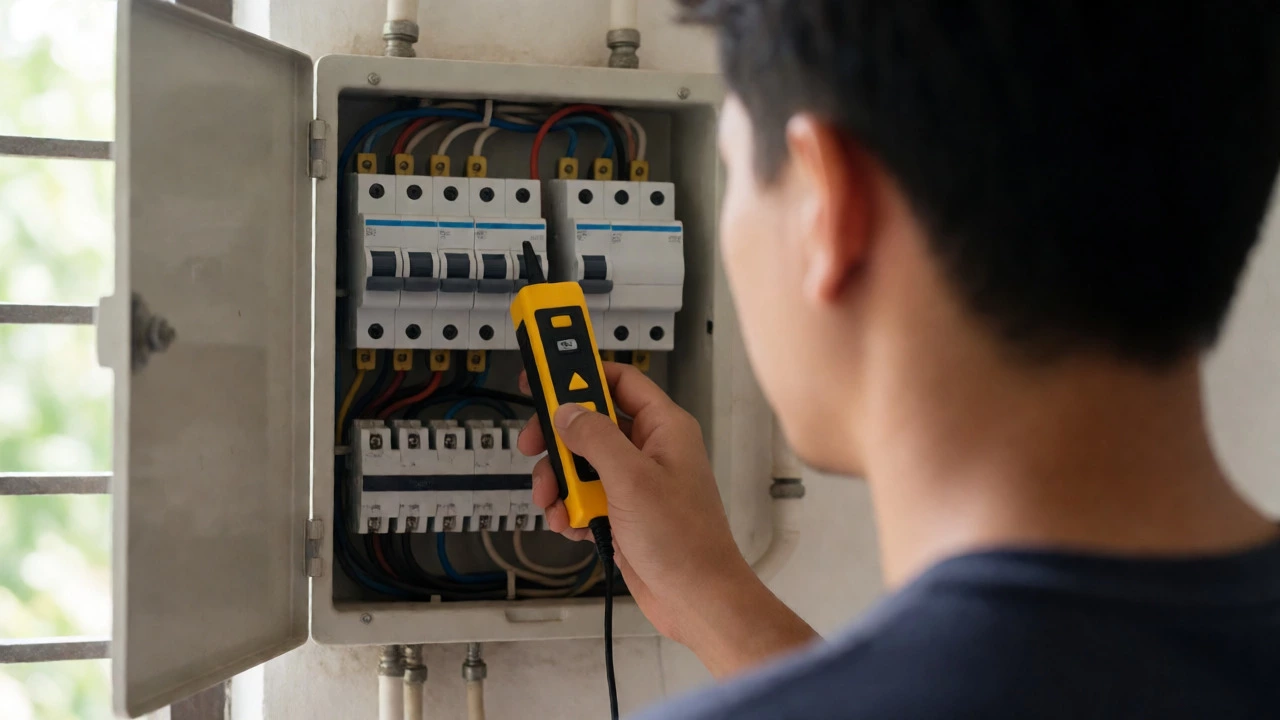
- TEST Use a non-contact voltage tester to confirm wires are dead.
- CHECK If unsure about electrical work, consult a licensed electrician.
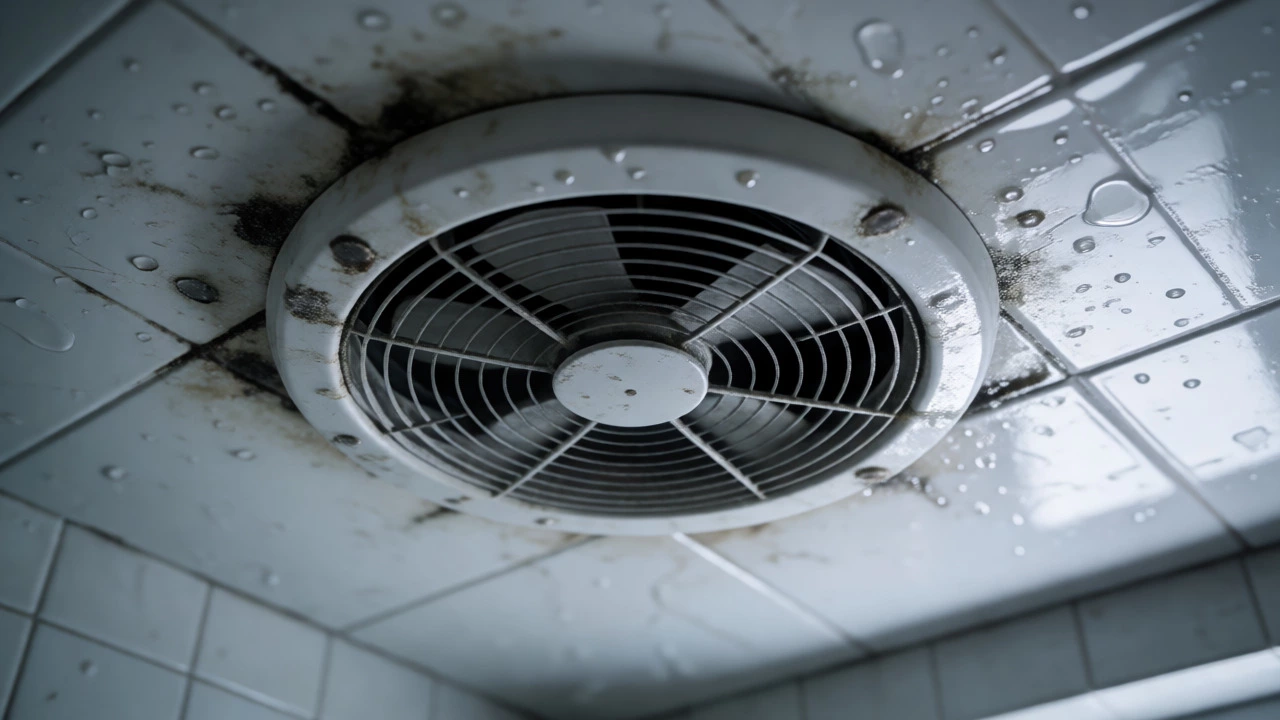
You turn on the switch, but instead of that satisfying hum pulling moisture out of your shower steam, you get silence. Or worse, a grinding noise that sounds like a lawnmower stuck in mud. A broken extractor fan is more than just an annoyance; it’s a mold magnet and a humidity nightmare waiting to happen. Before you call a handyman for a $150 service call, take ten minutes. Nine times out of ten, the fix is something you can do with a screwdriver and a pair of pliers.
Safety First: Kill the Power
I cannot stress this enough: electricity doesn’t care how experienced you are. Before you touch anything, go to your switchboard (fuse box) and flip the breaker for the bathroom or kitchen circuit. Don’t just turn off the wall switch. Wall switches control the live wire, but if the wiring is old or faulty, there might still be juice running through the fixture. Use a non-contact voltage tester on the wires inside the housing. If the light doesn’t flash, you’re safe to proceed. If you don’t have a tester, buy one. They cost about $20 at Bunnings or your local hardware store and they save fingers.
Diagnose the Noise vs. The Silence
The symptoms tell you what’s wrong. If the fan is silent, the issue is usually electrical: a blown fuse, a bad switch, or a dead motor. If the fan runs but makes noise-rattling, squealing, or grinding-the problem is mechanical. It’s likely debris, worn bearings, or a loose component. Identifying which category your fan falls into saves you from buying parts you don’t need.
| Symptom | Likely Cause | DIY Difficulty |
|---|---|---|
| No Power | Tripped breaker, faulty switch, burnt-out motor | Easy to Medium |
| Rattling Noise | Loose cover, debris in blades, unbalanced impeller | Easy |
| Squealing/Grinding | Dry bearings, dust buildup on motor shaft | Medium |
| Weak Suction | Clogged ducting, dirty filter, failing capacitor | Medium |
Step 1: Clean the Blades and Filter
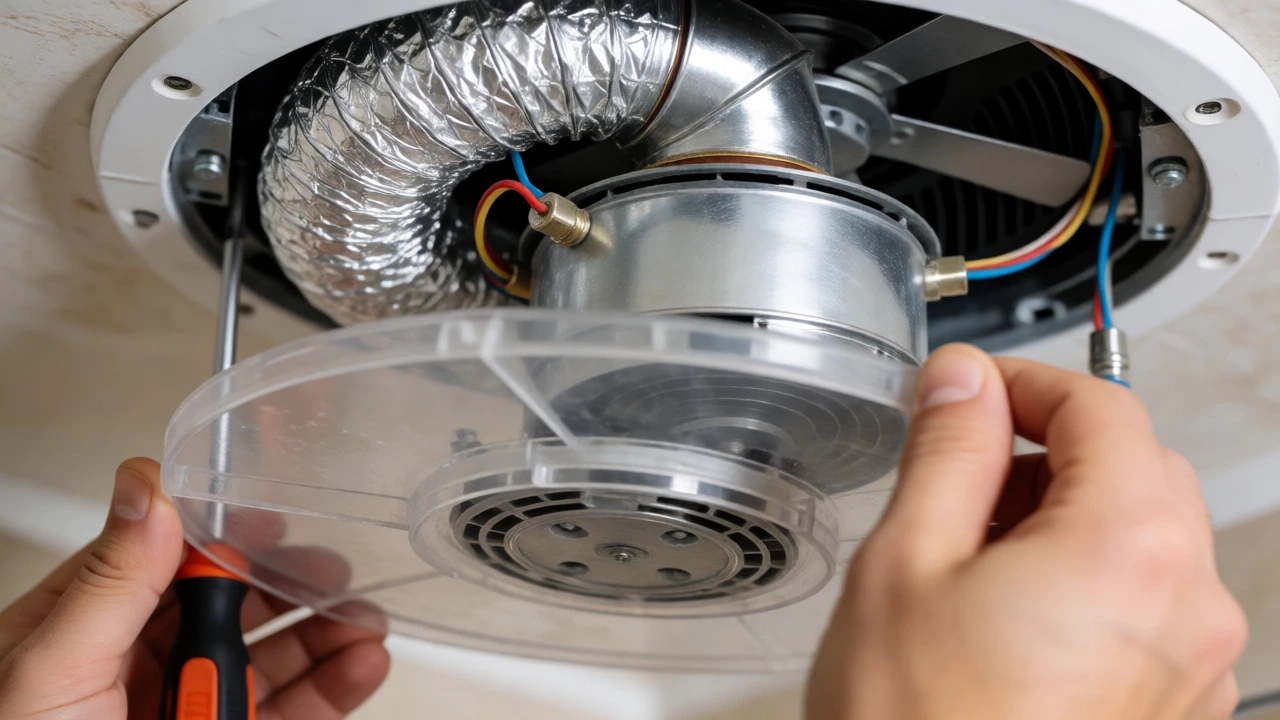
Dust is the enemy of airflow. Over time, a thick layer of grime builds up on the fan blades. This weight imbalance causes vibration and reduces efficiency. Remove the plastic cover (usually held by clips or two screws). Take out the filter if your model has one. Soak the blades and filter in warm water with dish soap. Scrub gently with an old toothbrush. Let them dry completely before reassembling. You’d be shocked how often this simple step restores full suction and kills the rattle.
Step 2: Check the Ducting
If the fan runs loudly but doesn’t pull air, look at the exhaust path. In many Australian homes, especially older ones, the flexible silver ducting behind the fan gets crushed or disconnected. Reach back into the cavity (carefully!) and ensure the duct is connected to both the fan outlet and the roof vent or external wall cap. If the duct is kinked, straighten it. If it’s torn, replace it. Rigid PVC piping is better than flexible foil ducts because it resists crushing and maintains airflow speed, but flexible ducts are common in retrofits. Just make sure there are no sharp bends blocking the air stream.
Step 3: Inspect the Motor and Bearings
If cleaning didn’t help, you need to access the motor. For ceiling-mounted fans, this often means removing the entire unit from the joist. Look for the motor assembly. Spin the fan blade by hand. It should spin freely for several seconds after you let go. If it stops immediately or feels gritty, the bearings are shot. Some motors have oil ports where you can add a drop of sewing machine oil. Most modern cheap fans are sealed units. If the bearings are dry and noisy, lubrication might buy you six months, but replacement is the real fix.
Step 4: Test the Switch and Wiring
If the fan is totally dead, the switch might be the culprit. Bathroom switches are notorious for failing due to moisture ingress. Turn off the power again. Open the switch plate. Check for blackened marks on the terminals, which indicate arcing. If the switch feels crunchy or doesn’t click firmly, replace it. These switches are standard and cost under $15. While you’re there, check the wiring connections inside the fan housing. Loose wire nuts (twist-on connectors) can break the circuit. Tighten them or replace them with new connectors. Ensure the earth wire (green/yellow) is securely attached to the metal chassis.
When to Replace the Whole Unit
Let’s be honest: labor costs money. If you’ve spent an hour diagnosing a $60 fan, and the motor is dead, it’s often cheaper to buy a new inline ducted fan or a surface-mount unit than to hunt for specific spare parts. Modern fans are quieter and more energy-efficient. Look for models with high CFM (cubic feet per minute) ratings for bathrooms-aim for at least 80-100 CFM for a standard powder room. If your current fan is over 10 years old, replacement is almost always the smarter financial move.
Pro Tips for Longevity
- Run it longer: Leave the fan on for 15-20 minutes after your shower. This ensures all moisture is expelled, preventing mold growth on walls and ceilings.
- Check the external vent: Go outside. Is the flapper door moving? Sometimes spiders build webs or paint seals the flap shut. Clear any obstructions.
- Avoid vacuuming directly: When cleaning blades, use a damp cloth. Vacuuming can push dust deeper into the motor windings.
Why does my extractor fan make a humming noise but not spin?
This usually indicates a seized motor or a failed start capacitor. The motor tries to turn but can't overcome the friction. Try spinning the blade by hand while the power is on (carefully!). If it starts spinning, the capacitor is likely faulty. If it remains stuck, the motor bearings are seized, and you probably need a replacement.
Can I wash the extractor fan filter in the dishwasher?
Most aluminum mesh filters are dishwasher safe. However, check your manufacturer's manual first. Plastic frames may warp in high heat. Hand washing with hot soapy water is safer and just as effective for grease removal.
How long should an extractor fan last?
A typical residential extractor fan lasts between 10 to 15 years. Inline ducted fans often last longer (15+ years) because the motor is located away from humid air. Surface-mount bathroom fans degrade faster due to constant exposure to steam and dust.
Is it dangerous to run a noisy extractor fan?
Generally, no, unless the noise is accompanied by a burning smell or visible sparks. A rattling fan is inefficient and annoying, but rarely hazardous. However, a grinding noise suggests mechanical failure that could eventually seize the motor, potentially overheating the winding insulation. Fix it sooner rather than later.
Do I need an electrician to replace an extractor fan?
If you are swapping a like-for-like unit and are comfortable working with mains voltage, you can do it yourself. However, if you are changing the location, adding a new circuit, or if your home has old knob-and-tube wiring, hire a licensed electrician. In Australia, regulations vary by state regarding who can perform electrical work.