Extractor Fan Repair vs. Replace Calculator
Fan Details & Symptoms
Recommendation
Enter your fan details and click analyze to get a personalized recommendation.
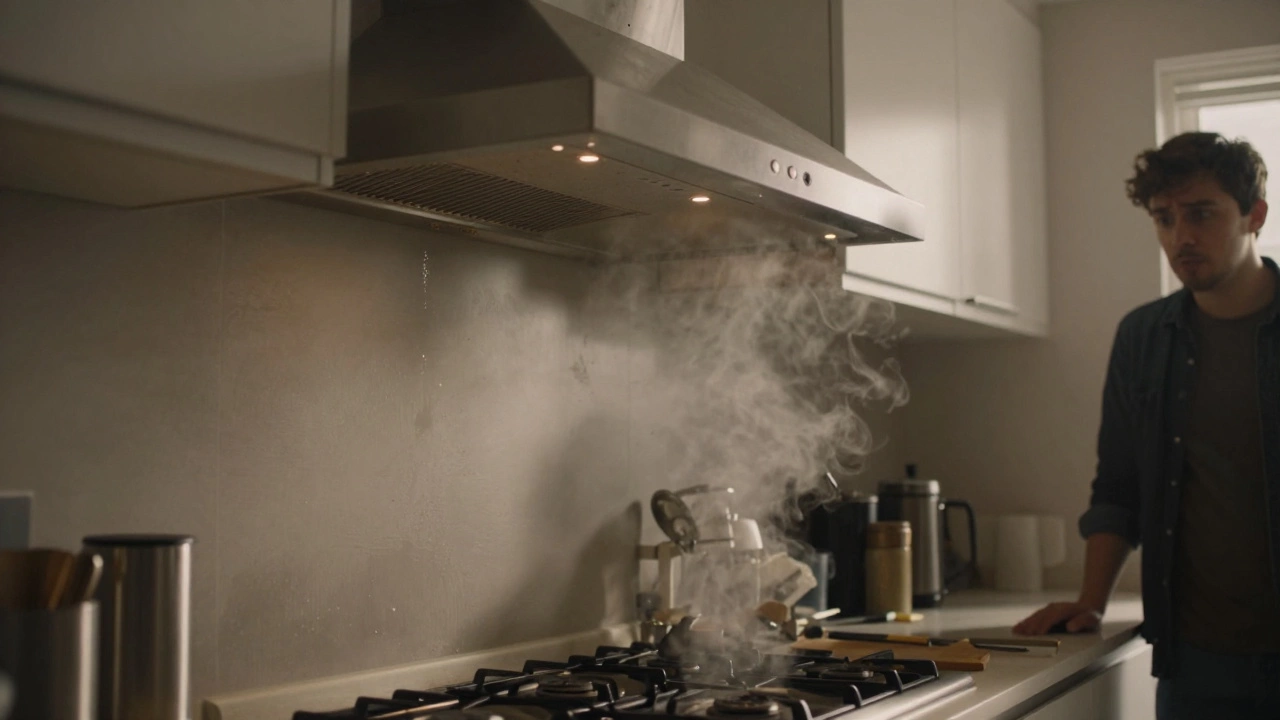
That humming sound in your kitchen or bathroom might be annoying, but it’s usually the least of your worries. The real problem starts when that noise stops-or gets significantly louder-while steam and odors linger in the air. You’ve probably wondered if you’re just being picky about a bit of grease buildup or if it is finally time to swap out that old unit. Most people assume these appliances last forever, but they don’t.
The short answer? An extractor fan typically lasts between 10 to 20 years, depending heavily on usage intensity and maintenance habits. However, relying on age alone is a risky strategy. A well-maintained fan can run for two decades, while a neglected one in a busy restaurant kitchen might fail in three. Knowing exactly when to pull the trigger on a replacement saves you from mold growth, fire hazards, and skyrocketing energy bills.
Understanding the Lifespan Variables
Not all extractor fans are created equal, and their longevity depends on where they live and how hard they work. A standard wall-mounted bathroom fan runs intermittently, often triggered by humidity sensors or timers. These units face less wear and tear compared to a high-power canopy hood over a gas stove that runs every single night during dinner prep.
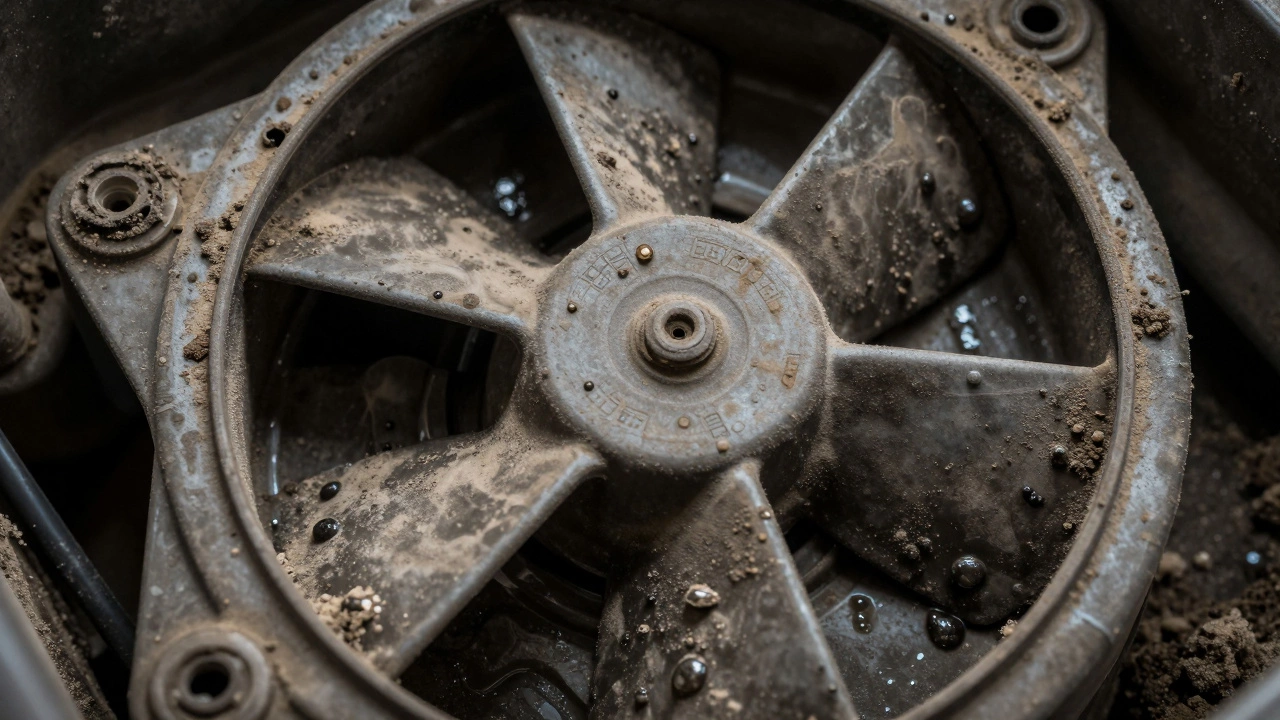
The motor is the heart of the system. Modern brushless DC motors are far more durable than the older brushed AC motors found in units from the 1990s and early 2000s. If you have an older model, expect a shorter lifespan. Additionally, the build quality matters. Plastic housings degrade faster under heat exposure than stainless steel or aluminum counterparts. In kitchens, grease acts as an abrasive; if filters aren't cleaned regularly, this grime builds up on the fan blades, causing imbalance and premature motor failure.
Top Signs It Is Time to Replace Your Fan
Aging isn't always visible. Sometimes a fan looks fine but performs poorly. Here are the concrete signals that your current unit has reached its end of life:
- Persistent Odors: If cooking smells or bathroom moisture linger long after you turn the fan off, the airflow capacity (measured in CFM - Cubic Feet per Minute) has likely dropped below effective levels. This indicates worn bearings or a failing motor that can no longer spin at optimal speed.
- Excessive Noise: A slight hum is normal. Grinding, screeching, or rattling noises suggest bearing failure. While bearings can sometimes be replaced, on most residential units, the cost of labor plus parts exceeds the price of a new fan.
- Visible Grease Buildup That Won’t Clean: In kitchen hoods, if grease penetrates past the filters and coats the internal housing and ductwork, cleaning becomes nearly impossible. This buildup creates a significant fire hazard and restricts airflow permanently.
- Frequent Tripping of Circuit Breakers: If turning on the fan causes your lights to dim or trips a breaker, there is likely an electrical short or motor seizure. This is a safety risk that demands immediate attention.
- Condensation Issues: In bathrooms, if you notice persistent condensation on mirrors or tiles despite the fan running, the ventilation rate is insufficient. This leads to mold and mildew growth within walls, which is far more expensive to fix than a new fan.
Repair vs. Replace: Making the Right Call
When your fan acts up, the first instinct is often to call a repair technician. But is it worth it? Let’s look at the economics. A professional repair visit usually involves a call-out fee plus labor and parts. For a simple capacitor replacement or switch fix, this might cost £80-£150. However, if the motor itself is burnt out, replacing it can cost £100-£200 in parts alone, not including labor.
New extractor fans, even high-quality models with LED lighting and variable speeds, often retail for £150-£300. When you factor in installation costs (which can be similar for both repair and replacement jobs), buying new frequently makes more financial sense. Plus, newer models are significantly more energy-efficient and quieter. An old fan might use 100 watts, while a modern equivalent uses 30 watts, saving you money on electricity over time.
| Scenario | Estimated Cost (UK) | Longevity Gain | Recommendation |
|---|---|---|---|
| Minor Electrical Fix (Switch/Capacitor) | £80 - £150 | 1-3 Years | Repair if under 5 years old |
| Motor Replacement | £150 - £250 | 3-7 Years | Replace Unit |
| Ductwork Cleaning Only | £60 - £100 | 1-2 Years | Maintenance Task |
| New Unit Installation | £200 - £400 (incl. install) | 10-20 Years | Best Value |
Maintenance Tips to Extend Fan Life
You can double the lifespan of your extractor fan with minimal effort. Regular maintenance prevents the gradual degradation that leads to total failure.
- Clean Filters Monthly: Kitchen hood filters trap grease. Wash them in hot soapy water or put them in the dishwasher. Clogged filters force the motor to work harder, generating excess heat.
- Check Ductwork Annually: Ensure external vents aren’t blocked by bird nests, leaves, or ice. Restricted airflow causes backpressure, straining the motor.
- Lubricate Bearings (If Applicable): Some older industrial-style fans have accessible bearings that require occasional oiling. Check your manual. Most modern residential fans have sealed bearings, so skip this step unless specified.
- Test Airflow: Hold a piece of tissue paper near the intake grille. If it doesn’t stick firmly when the fan is on high, your suction power is declining.
- Inspect Wiring Connections: Loose wires can cause arcing and overheating. If you smell burning plastic, turn it off immediately and call an electrician.
Choosing the Right Replacement
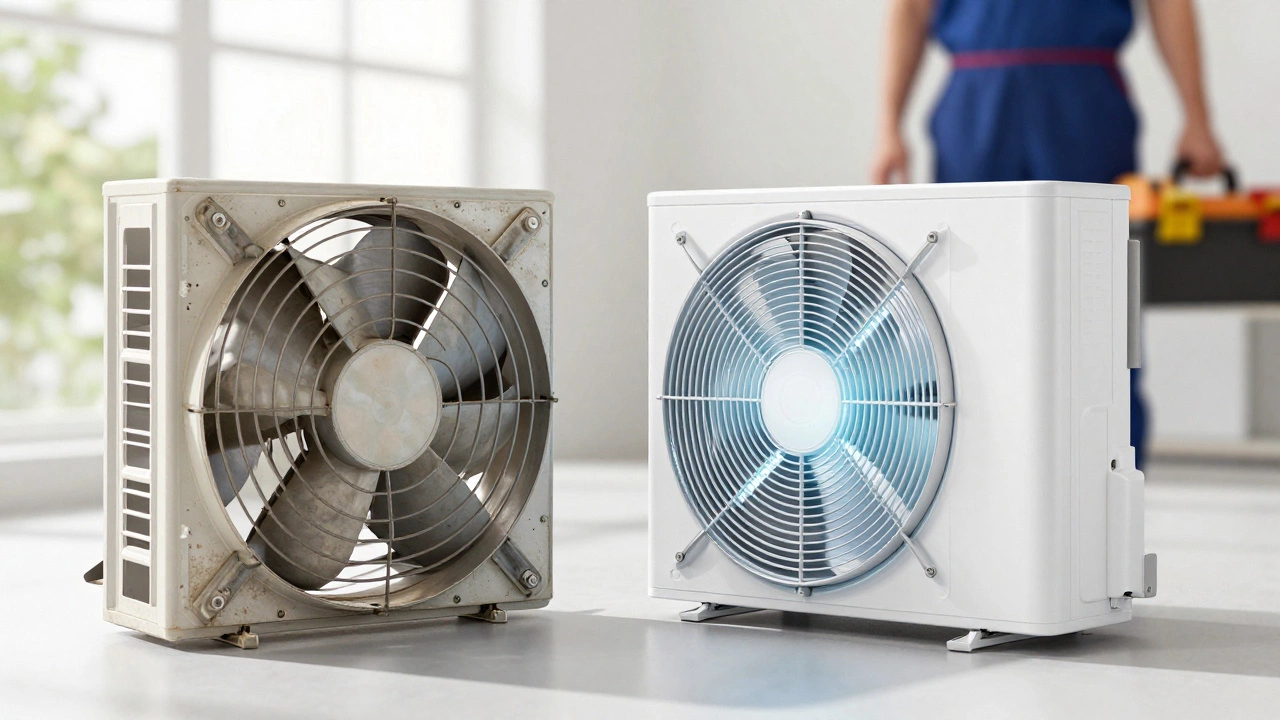
When you decide to replace, don’t just buy the cheapest option. Consider the specific needs of the room. For kitchens, look for high extraction rates (at least 300-500 CFM for standard homes) and easy-to-clean filter systems. Stainless steel filters are superior to aluminum mesh because they resist corrosion and hold up better in dishwashers.
For bathrooms, prioritize quiet operation and humidity sensing features. A fan that turns on automatically when moisture rises ensures consistent performance without manual intervention. Look for units rated with low sone levels (noise measurement); anything under 1.5 sones is considered whisper-quiet. Also, verify local building codes regarding venting. Many regions now prohibit recirculating (ductless) fans in bathrooms due to mold risks, requiring direct external venting.
Installation Considerations
Replacing an extractor fan is moderately complex DIY work if you are comfortable with basic electrical wiring and drilling. However, mistakes here can lead to serious issues. Improper sealing around the external vent can allow rain, pests, and cold air into your home. Incorrect electrical connections pose fire risks.
If your existing ductwork is damaged or incorrectly sized, take the opportunity to upgrade it. Larger diameter ducts (e.g., upgrading from 4-inch to 6-inch) reduce noise and improve efficiency. Professional installation ensures compliance with safety standards and often comes with a warranty that covers labor, giving you peace of mind.
How much does it cost to replace an extractor fan?
The total cost typically ranges from £200 to £400 in the UK, including the unit and professional installation. Basic models start around £100, while premium brands with smart features can exceed £300. Labor costs vary by region but generally add £80-£150.
Can I replace an extractor fan myself?
Yes, if you have experience with electrical wiring and drilling. You must disconnect power at the fuse box before starting. If you are unsure about electrical connections or modifying ductwork, hire a qualified electrician to ensure safety and code compliance.
What happens if I don't replace a broken extractor fan?
Neglecting a faulty fan leads to poor indoor air quality, increased humidity, mold growth, and potential fire hazards from grease buildup. It also increases energy consumption as other HVAC systems work harder to regulate temperature and moisture.
How do I know if my extractor fan motor is bad?
Signs include a burning smell, excessive heat from the unit, grinding noises, or the fan spinning very slowly despite being on high speed. If the fan doesn't start at all but the light works, the motor or capacitor is likely failed.
Should I choose a ducted or ductless extractor fan?
Ducted fans are superior as they expel air outside, removing heat, moisture, and pollutants completely. Ductless (recirculating) fans only filter air and return it to the room, which is less effective for odor and moisture control. Choose ducted whenever possible.