Hob Repair vs. Replace Calculator
Step 1: Select Your Hob Type
Induction
Lifespan: 15–20 Years
Ceramic/Radiant
Lifespan: 10–13 Years
Gas
Lifespan: 8–15 Years
Step 2: Enter Details
Enter your details to get a personalized recommendation based on industry standards.
That moment when your stove stops heating evenly or the touch controls become unresponsive is frustrating. You’re in the middle of dinner prep, and suddenly your kitchen’s centerpiece decides to quit. The immediate question isn’t just “is it broken?” but rather, “should I fix this, or is it time to replace it?” To answer that, you need to know how long hobs are actually supposed to last.
The short answer is: most modern hobs last between 10 and 15 years. However, this range varies wildly depending on the type of technology you have under your glass or ceramic surface. A cheap electric coil might die in five years, while a high-end induction unit could keep going strong for two decades if treated right. Knowing where your specific appliance sits on this timeline saves you from wasting money on repairs for a dying machine or throwing away a perfectly good one too early.
Understanding Hob Lifespans by Type
Not all cooking surfaces are created equal. The internal components dictate how long the unit survives daily heat cycles, spills, and heavy pots. Let’s break down the expected longevity for the three main types found in Australian homes today.
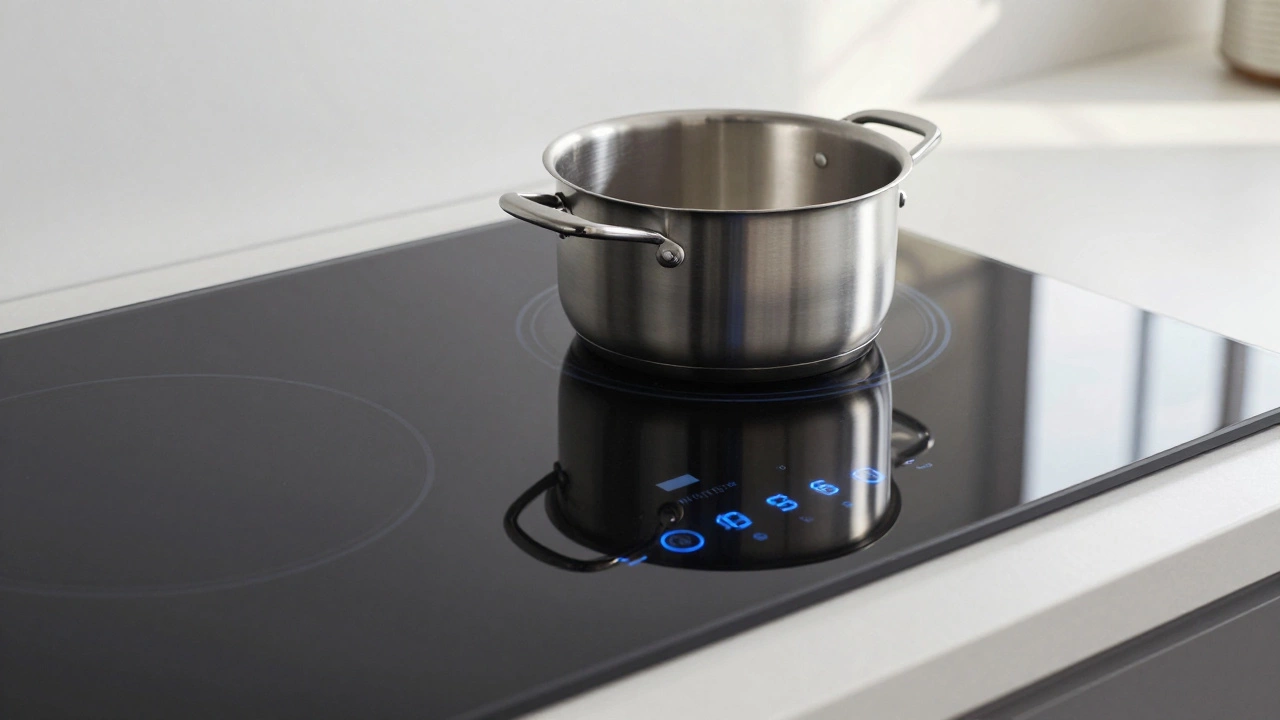
Induction Hobs are the longest-lasting option on the market, typically surviving 15 to 20 years. Because they use electromagnetic fields to heat the cookware directly rather than heating an element underneath, there is less thermal stress on the glass surface itself. The electronic boards can fail, but the core heating mechanism has no moving parts and doesn't degrade with heat exposure like resistive elements do. If you bought an induction hob during the boom of the late 2010s, it should still be performing well in 2026.
Ceramic (Radiant) Hobs generally last between 10 and 13 years. These units rely on metal coils beneath a smooth glass-ceramic top. Over time, the coils lose efficiency, leading to slower heating times. The glass surface is durable but susceptible to micro-cracks from thermal shock (like placing a cold pot on a hot zone). Once a heating zone fails, the cost of replacing the entire radiant assembly often outweighs the benefit of keeping the rest of the unit.
Gas Hobs have a variable lifespan of 8 to 15 years, heavily dependent on maintenance. The burners themselves are simple brass or stainless steel components that rarely fail mechanically. However, the ignition systems (piezo or electric spark) wear out after thousands of uses. Grease buildup clogs ports, leading to uneven flames. If you clean the grates and ports regularly, a gas hob can easily hit the 15-year mark. Neglect it, and corrosion sets in much faster.
| Hob Type | Average Lifespan | Common Failure Point | Repair Viability |
|---|---|---|---|
| Induction | 15-20 years | Control board / Sensor | High (if under warranty) |
| Ceramic/Radiant | 10-13 years | Heating element / Glass crack | Moderate |
| Gas | 8-15 years | Ignition switch / Burner cap | Very High |
Signs Your Hob Is Reaching End-of-Life
Appliances don’t usually announce their retirement date. Instead, they send subtle signals that performance is degrading. Recognizing these signs early helps you plan for a replacement rather than facing an emergency breakdown.
- Inconsistent Heating: If one zone takes twice as long to boil water compared to others, the heating element or induction coil may be failing. For gas hobs, irregular flame heights indicate clogged ports or worn burner caps.
- Unresponsive Controls: Touch panels on induction and ceramic hobs can become sticky or unresponsive due to moisture ingress or component aging. If you find yourself tapping buttons repeatedly to get a reaction, the control board is likely deteriorating.
- Visible Damage: Cracks in the glass surface of ceramic or induction hobs are safety hazards. They compromise the seal against moisture and electricity. Unlike minor scratches, cracks cannot be repaired and require full unit replacement.
- Frequent Ignition Failures: On gas hobs, if you need to hold the knob down for longer periods or strike matches frequently because the spark won’t light, the ignition module is wearing out. While replaceable, this is often a precursor to broader electrical issues.
- Error Codes: Modern digital hobs display error codes (like E0, F5, etc.) when sensors detect faults. If you see the same code recurring despite resetting the unit, the internal diagnostics are flagging a persistent hardware failure.
Repair vs. Replace: Making the Economic Decision
This is the crux of the dilemma. Just because a hob is old doesn’t mean it needs replacing immediately. Conversely, a new hob with a minor fault shouldn’t automatically be trashed. Here is a practical framework to decide.
The 50% Rule: If the cost of repair exceeds 50% of the price of a comparable new unit, replace it. For example, if a standard ceramic hob costs $400 to buy and the repair quote is $250, buy a new one. You’ll get a fresh warranty and improved efficiency.
Age Factor: If your hob is over 10 years old, lean towards replacement. Even if the current fix is cheap, other components are likely near the end of their service life. You risk paying for multiple repairs within a short window.
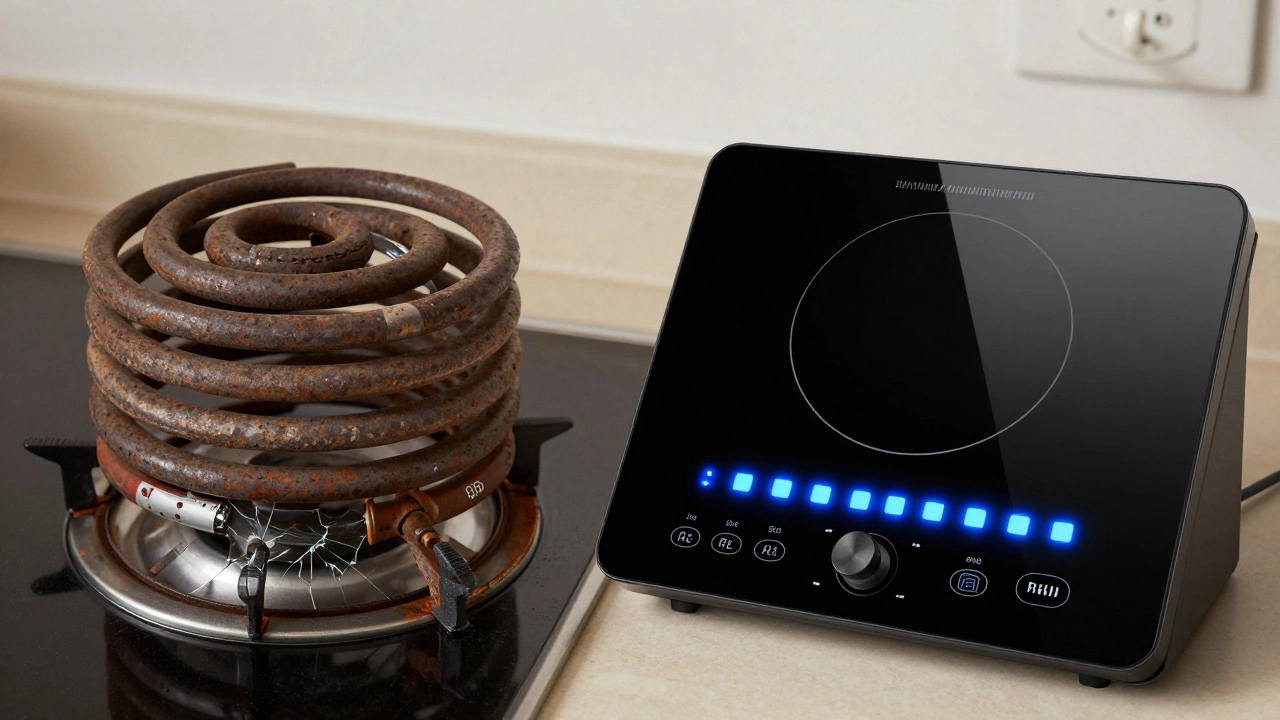
Efficiency Gains: Newer models, especially induction, are significantly more energy-efficient. An old electric radiant hob wastes heat warming the air around the pan. Switching to a modern induction model can reduce your electricity bill by up to 30%, offsetting the initial purchase cost over time.
Safety Concerns: Never repair a cracked glass surface or a gas hob with leaking connections. These are non-negotiable safety risks. Replace immediately.
Extending the Life of Your Current Hob
If your hob is still within its prime lifespan (under 10 years), proper maintenance can add several years to its life. Small habits make a big difference.
- Clean Spills Immediately: Sugar and acidic foods (like tomato sauce) can etch into glass surfaces if left to bake on. Use a dedicated glass-ceramic scraper for hardened residue instead of abrasive scouring pads, which create micro-scratches that weaken the surface.
- Match Pan Size to Zone: Using a small pan on a large induction zone forces the sensor to work harder and can cause overheating errors. Ensure your cookware base matches the diameter of the heating zone.
- Avoid Thermal Shock: Don’t place cold, wet pans directly onto hot ceramic zones. Allow the surface to cool slightly before adding cold ingredients. This prevents stress fractures in the glass.
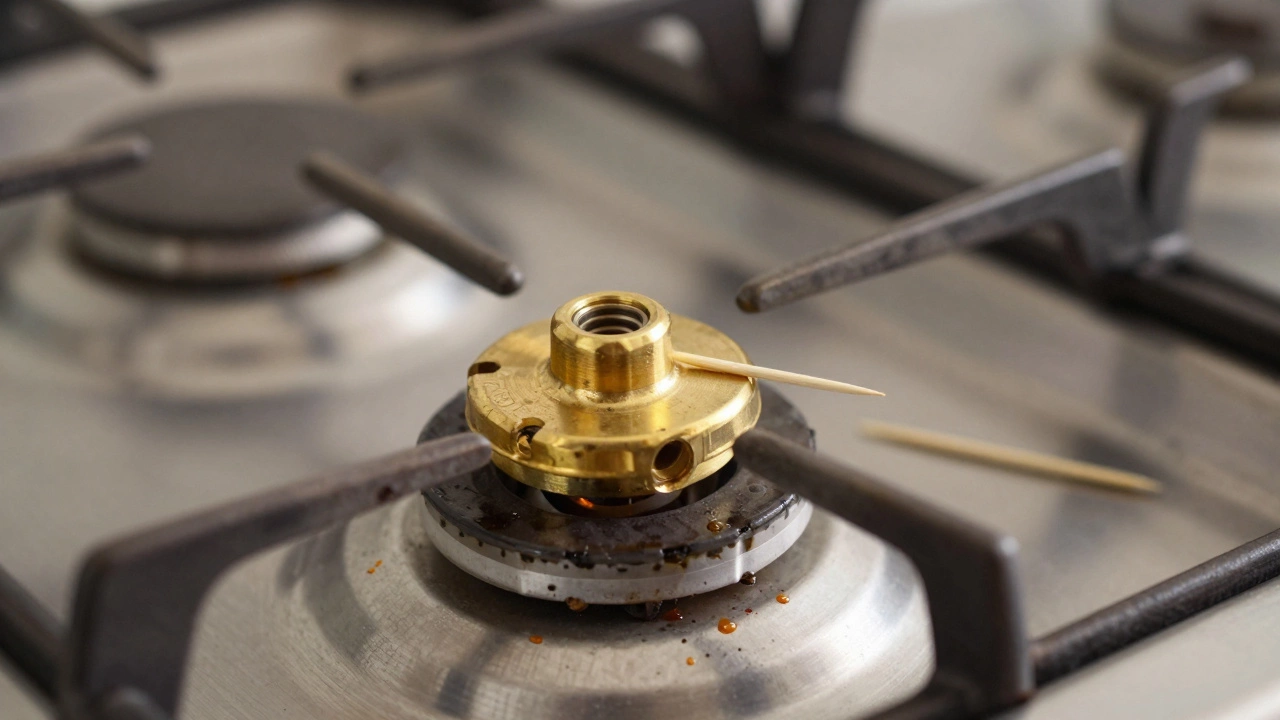
- Keep Gas Ports Clear: Monthly, remove the burner caps and clean the ports with a toothpick or pin. Grease buildup restricts gas flow, causing yellow flames (which produce carbon monoxide) instead of efficient blue ones.
- Use Flat-Bottomed Cookware: Especially for induction, warped pans prevent proper contact with the magnetic field, reducing efficiency and straining the electronics. Check your pots for warping by placing them on a flat table; if they wobble, they’re damaging your hob.
When to Call a Professional Technician
Some issues are DIY-friendly, like cleaning gas burners or replacing a faulty igniter button. Others require certified technicians. In Adelaide, as in most of Australia, electrical appliances must be serviced by licensed professionals to comply with safety standards.
Call a technician if:
- You smell gas continuously (even after checking for leaks).
- The hob trips your circuit breaker repeatedly.
- Error codes persist after a power cycle.
- There is visible sparking inside the unit (for electric/induction models).
A professional assessment can confirm whether a component swap (like a new control board for $150-$300) is worth it or if the unit is fundamentally dead. Getting a second opinion from a local repair specialist in your area can save you from unnecessary replacements.
Choosing a Replacement: What to Look For in 2026
If you’ve decided to replace your hob, the market offers better options than ever. Focus on reliability and ease of maintenance.
Induction Dominance: Induction technology has matured. Prices have dropped, making mid-range models affordable. Look for brands with robust customer support and readily available spare parts. Features like "power boost" and "zone linking" (combining two zones for a large grill pan) add significant value.
Glass Quality: Not all glass is equal. Brands like Schott Ceran offer higher resistance to thermal shock and scratching. Check the specifications for the glass manufacturer.
Warranty Terms: A standard 2-year warranty is common. Some premium brands offer 5-7 years on parts and labor. This extended coverage is a strong indicator of the manufacturer’s confidence in their product’s longevity.
Installation Compatibility: Measure your countertop cutout carefully. Standard sizes vary (60cm, 75cm, 90cm). Ensure your existing wiring can handle the amperage requirements of a new high-power induction unit. Older homes may need an electrical upgrade.
Is it worth repairing a 12-year-old ceramic hob?
Generally, no. At 12 years, a ceramic hob is past its average lifespan. While a single heating element might be replaced for a reasonable cost, other components like the control board or remaining elements are likely to fail soon. Investing in a new, more energy-efficient model is usually the smarter financial move.
Why does my induction hob make a humming noise?
A low hum is normal for induction hobs, caused by the alternating magnetic field interacting with the cookware. However, if the noise becomes loud, rattling, or changes pitch significantly, it may indicate a loose component inside the unit or incompatible cookware. If the noise persists with different pots, consult a technician.
Can I replace just the glass on a cracked induction hob?
No. The glass surface is integrated with the heating coils and sensors. It cannot be replaced separately. A cracked glass surface requires replacing the entire hob unit due to safety risks involving electrical exposure and moisture ingress.
How often should I clean gas hob burners?
Clean the burner caps and ports monthly. Remove food debris and grease buildup using warm soapy water and a soft brush. Use a toothpick to clear clogged ports. Regular cleaning ensures efficient combustion, prevents yellow flames, and extends the life of the ignition system.
What causes an induction hob to turn off randomly?
Random shutdowns are often triggered by overheating protection. This can happen if the ventilation vents are blocked, the room temperature is too high, or the cookware is too small for the zone. Check for dust accumulation around the edges and ensure you're using appropriately sized, flat-bottomed pans.