Cooker Repair vs. Replace Calculator
Enter your cooker details and click calculate to see the recommendation.
Quick Glance: Life Expectancy
- Gas Cookers: 15 to 20 years (simpler mechanics, fewer electrical failures).
- Electric Cookers: 10 to 15 years (heating elements tend to burn out faster).
- Induction Hobs: 10 to 12 years (advanced electronics are sensitive to heat and power surges).
- High-end Professional Ranges: 20+ years (built with heavier gauge steel and industrial parts).
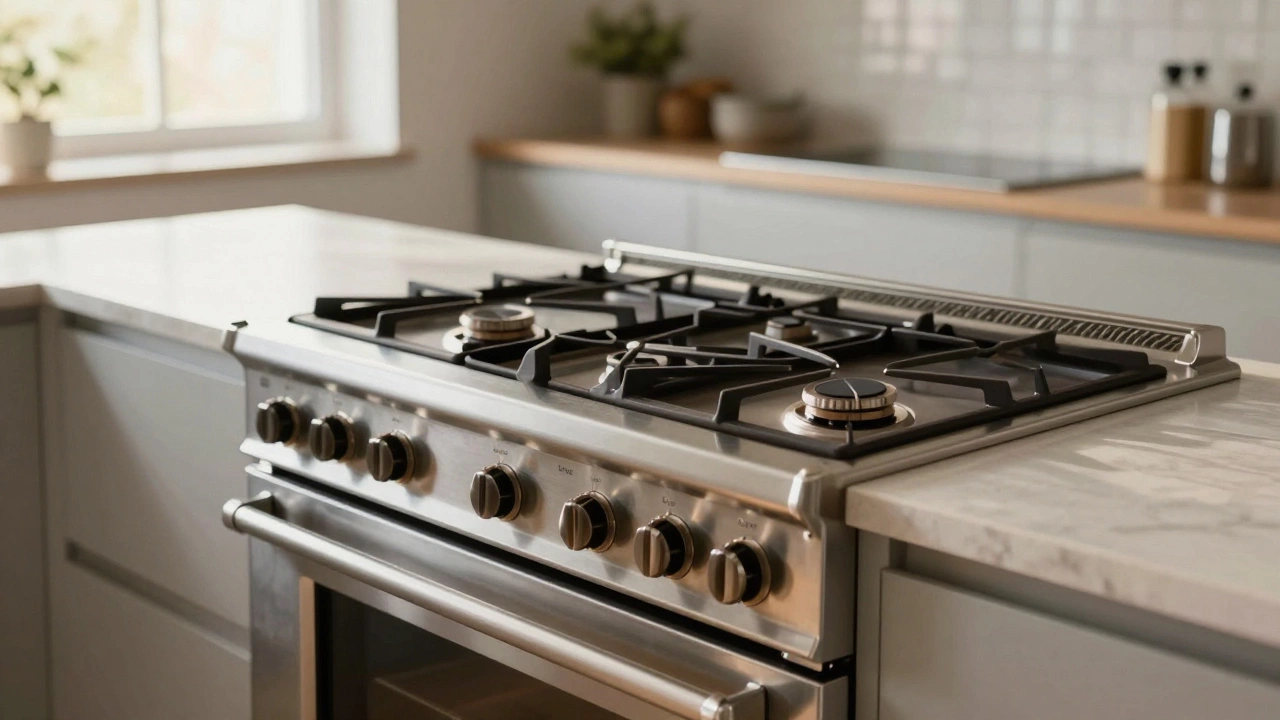
When we talk about a cooker is a freestanding kitchen appliance that combines a cooking surface (hob) and an oven into one unit. It is the heart of the kitchen, but it's also subject to intense heat cycles that expand and contract metal parts every single day. This "thermal fatigue" is why your oven door might start to sag or why a burner eventually stops heating evenly.
Breaking Down Lifespans by Fuel Type
Not all cookers are created equal. The fuel source dictates what actually breaks first. If you have a Gas Cooker is an appliance that uses natural gas or LPG to generate heat through combustion, you're likely looking at a longer lifespan. Gas units have fewer electronic components that can fry. The main issues usually involve the thermocouple or the burner caps getting clogged with grease. Because the heat is immediate and doesn't rely on a fragile wire filament, these units can easily hit the 20-year mark if you keep the pipes clear.
Electric cookers are a different story. They rely on Heating Elements is resistive coils that convert electrical energy into heat through Joule heating. Over time, these elements oxidize and eventually snap or burn out. While replacing a coil is a standard part of cooker repair, the control boards in modern electric ovens are much more prone to failure than the dials of an old-school 1980s model. You'll likely see a decline in performance around year 12.
Then there's Induction Cooking is a method of heating cookware using electromagnetic induction to stir electrons in the pan's metal. These are the "fancy" cookers. They are incredibly efficient and fast, but they rely on complex circuit boards and cooling fans. If the fan fails and the electronics overheat, the whole system can shut down. While the glass surface is tough, the "brains" of an induction cooker aren't as rugged as a simple gas valve.
| Cooker Type | Avg. Life (Years) | Most Common Failure | Repair Difficulty |
|---|---|---|---|
| Gas | 15-20 | Thermocouples / Burners | Low to Medium |
| Electric (Coil/Ceramic) | 10-15 | Heating Elements / Switches | Medium |
| Induction | 10-12 | Control Boards / Cooling Fans | High |
| Professional Range | 20+ | Door Seals / Gaskets | Medium |
The Hidden Killers of Your Appliance
Why does one person's cooker last 25 years while another's dies in six? It usually comes down to a few specific habits. The biggest enemy is grease buildup. When fat splatters onto a burner or drips into the oven cavity and burns over and over, it creates a carbonized layer. In gas cookers, this blocks the small ports where gas flows, leading to uneven flames or a cooker that refuses to ignite. In electric models, grease can seep into the wiring, causing short circuits.
Then there is the issue of Thermostats is sensors that monitor and regulate the temperature of the oven to maintain a set point. If you constantly override the temperature or use the oven for non-cooking tasks (like drying clothes-don't do that), you wear out the sensor. Once the thermostat goes, you'll notice your cakes are burnt on the bottom but raw in the middle. This is a classic sign that your appliance is entering its "senior years."
Moisture is another silent killer. If you live in a humid environment or keep the oven door open for long periods while it's cooling, moisture can settle on the electrical components. This leads to corrosion, especially on the Control Board is the electronic circuit that manages the timing, temperature, and power distribution of the cooker. A corroded board is often the death knell for a modern cooker because replacing the entire computer can cost nearly as much as a new machine.
Repair vs. Replace: The 50% Rule
So, your cooker has finally given up. Do you call a technician or browse the latest catalogs? A good rule of thumb is the "50% Rule." If the repair cost is more than 50% of the price of a new, equivalent model, and the cooker is more than halfway through its expected lifespan, toss it. For example, if your 12-year-old electric cooker needs a new control board that costs $300, but a new one is $600, you're gambling on a machine that might have a heating element failure next month.
However, there are cases where repair is a no-brainer. Replacing a Door Seal is a heat-resistant rubber gasket that prevents hot air from escaping the oven cavity is cheap and easy. A worn seal lets heat escape, making your oven work harder and raising your energy bill. Spending $50 on a new gasket can add three years of efficient life to your cooker. The same goes for replacing a single burner cap or a faulty igniter.
How to Stretch Your Cooker's Life
If you want to push your cooker toward that 20-year mark, you need to be proactive. Start with a deep clean every three months. Don't just wipe the surface; get into the crevices. For gas hobs, use a soft brush to clear the burner ports. Avoid using harsh caustic chemicals that can eat away at the metal plating or the enamel finish.
Be mindful of how you use the oven. Avoid "blasting" the oven to 250°C (480°F) just to heat it up faster; the gradual climb is easier on the heating elements. Also, check your door alignment. If the door doesn't close flush, the oven has to run hotter and longer to maintain the temperature, which accelerates the wear on the thermostat and the elements.
Finally, consider the power supply. In areas with unstable grids, power surges can fry the sensitive electronics in induction and modern electric cookers. A high-quality surge protector for your kitchen circuit can be the difference between a cooker that lasts a decade and one that dies during a summer thunderstorm.
Can I extend the life of my electric cooker?
Yes. The best way is to prevent grease buildup around the elements and ensure the oven is properly ventilated. Avoid using the oven at maximum temperature for extended periods, as this degrades the heating coils faster. Regularly checking and replacing the door seal also reduces the strain on the heating system.
Why do gas cookers usually last longer?
Gas cookers have simpler mechanical systems. They don't rely on electrical resistive coils that burn out over time. Most gas failures are related to clogs or simple valve issues, which are generally easier and cheaper to fix than a fried electronic control board in an electric or induction model.
What are the warning signs that it's time to replace my cooker?
Look for inconsistent heating (hot spots or cold zones), a significant increase in preheating time, flickering digital displays, or a strong smell of burning plastic/electrical ozone. If you're seeing multiple component failures within a short window, the unit has likely reached the end of its reliable service life.
Are induction cookers less durable than traditional ones?
In terms of the surface, induction is very durable. However, the internal electronics are more complex. While they are incredibly efficient, a failure in the power board or the cooling system can be more expensive and difficult to repair than replacing a simple coil on an electric stove.
Is it worth repairing a 10-year-old cooker?
It depends on the part. If it's a burner, a seal, or a knob, absolutely. If it's the main control board or the oven chassis itself is rusting through, it's usually better to invest in a new, more energy-efficient model. Use the 50% rule: if the repair is half the cost of a new unit, it's time to move on.
Next Steps for Your Appliance
If your cooker is currently acting up, start by identifying the symptom. Is it a lack of heat, an uneven bake, or a failure to ignite? For simple fixes like clogged burners or worn seals, you can often find DIY guides that save you a service call. However, if you're dealing with gas leaks or electrical shorts, always call a certified professional.
If you've decided to buy a new one, think about your long-term goals. If you want something that lasts 20 years, a high-quality gas range with manual dials is your best bet. If you want precision and speed and don't mind a shorter replacement cycle, induction is the way to go. No matter what you choose, a commitment to keeping the unit clean and ventilated will always be the best way to protect your investment.