Water Heater Replacement: When, Why, and How to Get It Right
When your water heater, a household appliance that heats and stores water for showers, laundry, and dishes. Also known as a hot water tank, it's one of the most taken-for-granted systems in your home—until it stops working. That’s when you realize how much you rely on it. A broken water heater doesn’t just mean cold showers—it can flood your basement, spike your energy bill, or even leave you without running water for days. And if you’re wondering whether to fix it or replace it, you’re not alone. Most water heaters last 8 to 12 years. If yours is older than that and starting to act up, replacement is often smarter than repair.
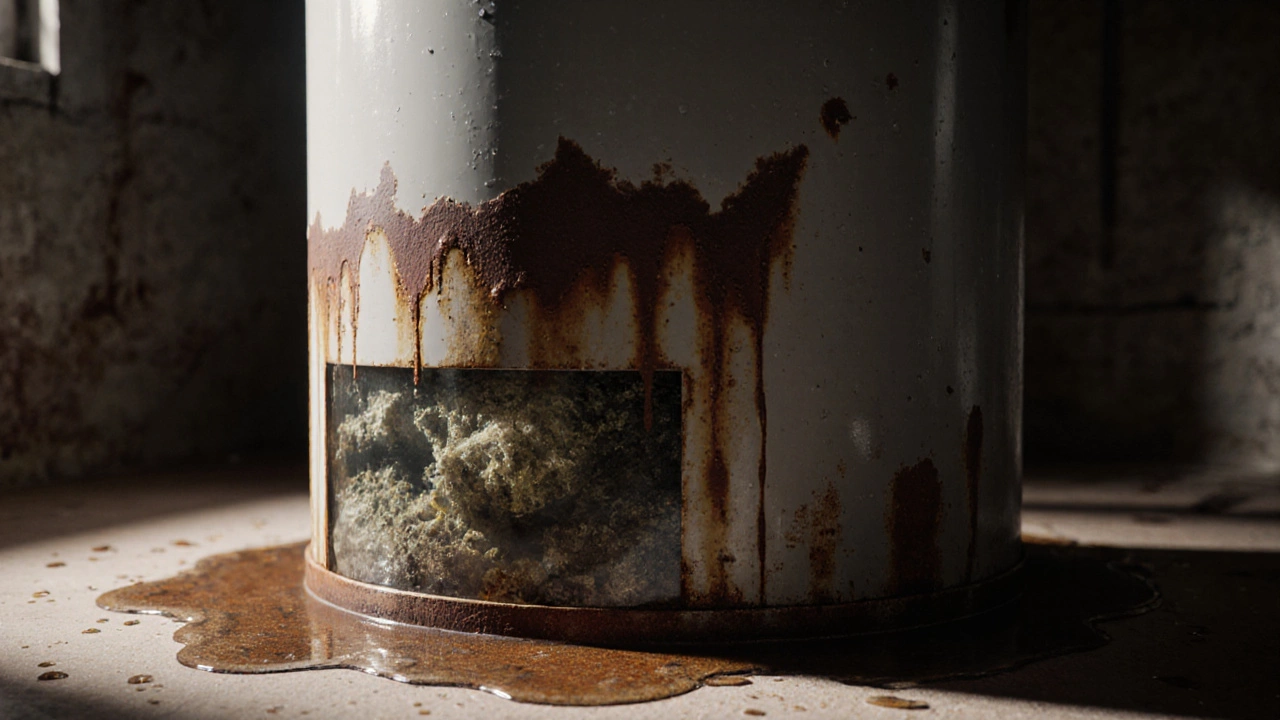
Before you call a technician, check the basics: Is the electric water heater, a type of water heating system that uses electrical elements to heat water getting power? Did the breaker trip? Is the pilot light out on a gas model? These are simple fixes you can try yourself. But if you’ve got rust around the base, strange noises, or water that’s barely warm after hours, those are red flags. Sediment buildup, a failed heating element, or a corroded tank aren’t things you can patch up—they need full replacement. And if your unit is leaking, don’t wait. Water damage can cost more than the heater itself.
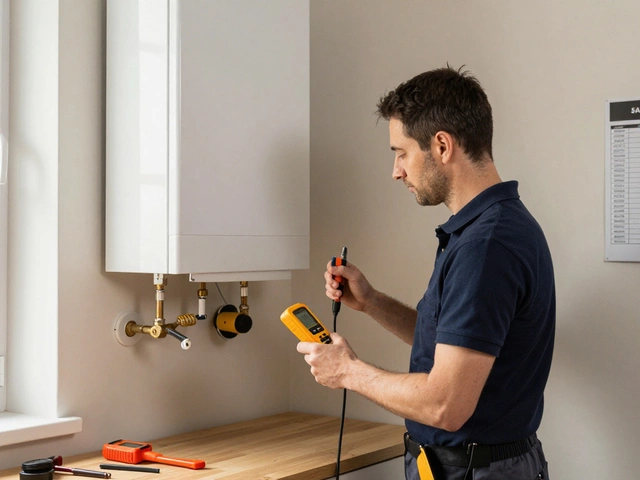
Replacing a water heater isn’t just about buying a new tank. You need to think about size, fuel type, efficiency ratings, and local codes. A 40-gallon tank might’ve been fine 10 years ago, but if your family’s grown or you added a second bathroom, you might need 50 or even 80 gallons. Tankless models save space and energy but cost more upfront. And if you’re switching from gas to electric—or vice versa—you’ll need to factor in new vents, wiring, or gas lines. Safety matters too. Always turn off the water heater safety, the set of procedures and precautions to prevent electric shock, gas leaks, or scalding during maintenance or replacement protocols before touching anything. That means shutting off power at the breaker and closing the water valve. Don’t risk it. Even if you’re handy, water heater replacement is one job where a pro’s experience saves time, money, and stress.
What you’ll find below are real-world guides from people who’ve been there. We’ve pulled together posts that cover the most common reasons water heaters fail, how to spot the warning signs before they turn into disasters, and what to expect when it’s time to swap it out. You’ll see how much it actually costs to replace one, what to ask a technician, and why some repairs are just throwing good money after bad. Whether you’re dealing with no hot water, a tripping reset button, or a tank that’s seen better days, there’s a clear path ahead. No fluff. Just what you need to decide, act, and get your hot water back.