Microwave Troubleshooting
When working with microwave troubleshooting, the process of diagnosing and fixing problems in microwave ovens. Also known as microwave repair, it helps you get your kitchen back to normal without waiting for a technician.
Key parts and common faults
Every microwave oven, a kitchen appliance that uses electromagnetic waves to heat food relies on a few critical components. The heating element, the metal coil that converts microwave energy into heat often fails first, causing uneven cooking or no heat at all. The control board manages power delivery; when it glitches, you may see error codes or the door won’t lock. The turntable motor keeps food moving for even cooking, and a faulty motor results in cold spots. In short, microwave troubleshooting encompasses diagnosing heating element failures, control board errors, and motor problems.
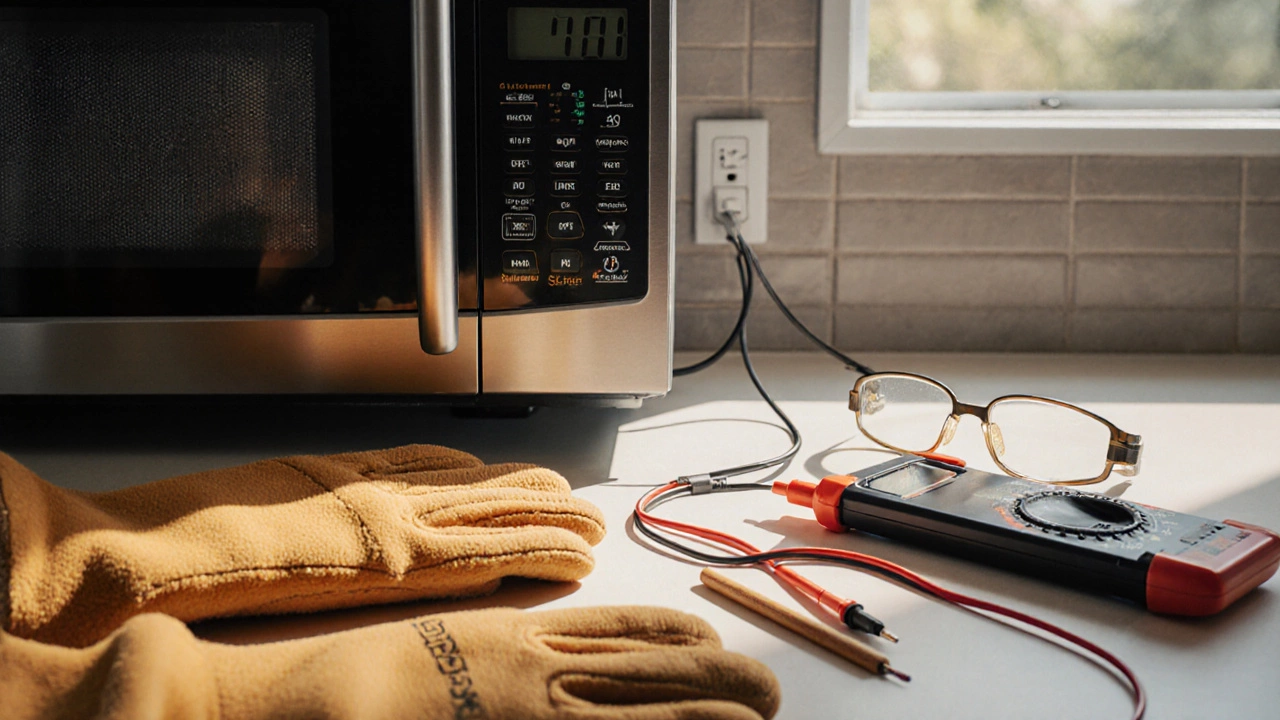
Most homeowners tackle simple checks: ensure the door latch clicks, reset the unit by unplugging for a minute, and clean any food debris from the waveguide cover. If the oven still won’t heat, testing the heating element with a multimeter is the next logical step. Understanding how each part interacts saves time and prevents unnecessary service calls. Safety is crucial—always disconnect power before opening the cabinet and avoid working on a sealed waveguide without proper guidance.
Our collection below pulls together practical advice for a range of appliances, from simple fridge checks to complex boiler diagnostics. You'll find step‑by‑step guides, cost‑saving tips, and clear signals that tell you when a professional is needed. Whether you’re a DIY enthusiast or just want to know what’s wrong before the tech arrives, the articles ahead give you the context and confidence to handle microwave issues and beyond.