Boiler Repair Responsibility: Who Pays and What You Need to Know
When your boiler stops working, the first question isn’t always how to fix it—it’s boiler repair responsibility, who is legally or financially accountable when a boiler breaks down. Is it you? Your landlord? The previous owner? The answer depends on your situation, your contract, and even the age of the system. In the UK, this isn’t just a matter of convenience—it’s often a legal obligation tied to housing laws and tenancy agreements.
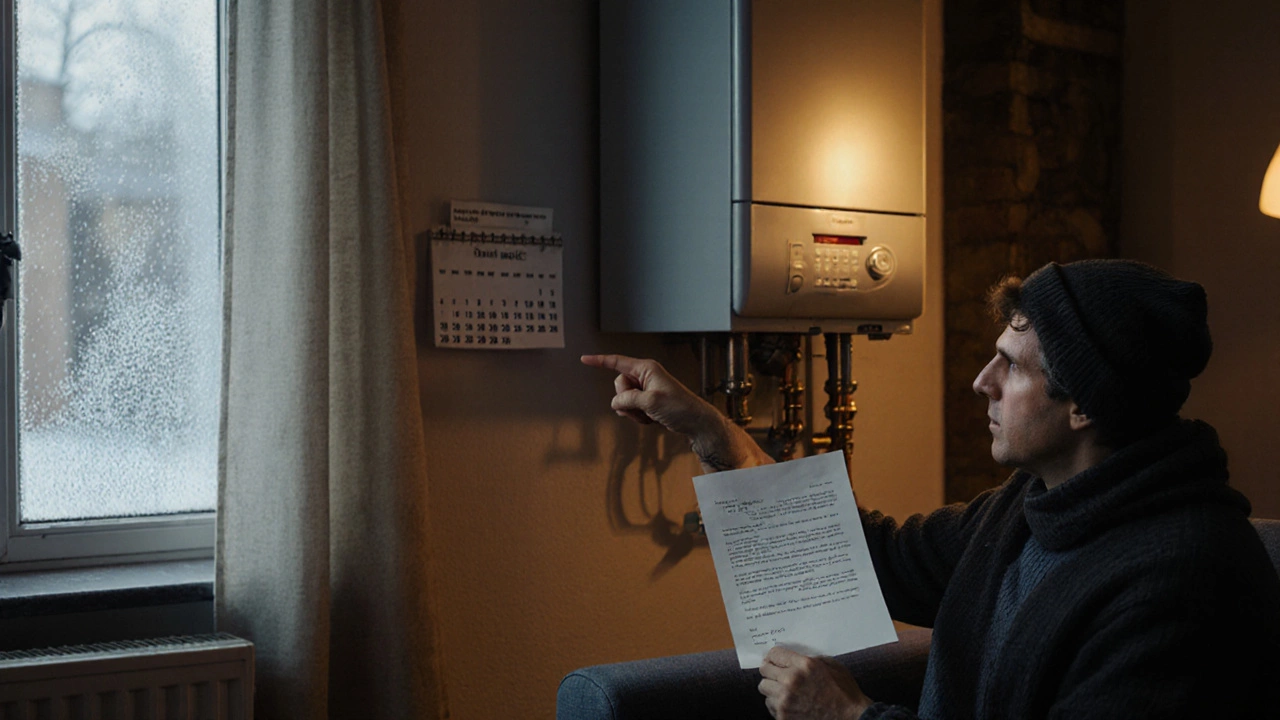
For renters, the landlord boiler repair, the duty of a property owner to maintain heating systems in rented homes is clear under the Landlord and Tenant Act 1985. If you’re renting, your landlord must ensure the boiler is safe and working, unless damage was caused by your negligence. That means if your boiler fails due to old age, limescale, or a faulty part, they’re on the hook. But if you ignored warning signs—like strange noises or leaks—and didn’t report them, you might be liable. For homeowners, it’s simpler: you pay. But that doesn’t mean you should fix it yourself. A broken boiler isn’t just inconvenient—it’s dangerous. Gas leaks, carbon monoxide risks, and electrical faults require certified engineers, not YouTube tutorials.
The boiler replacement, the process of removing an old or faulty boiler and installing a new one to restore heating and hot water often comes up when repair costs hit 50% of a new unit’s price. Many people don’t realize that even if your landlord pays for repairs, they can still choose to replace the boiler instead—if it’s over 10 years old or inefficient. That’s not a cost-cutting move—it’s a legal safety requirement. The UK’s Energy Performance Certificate rules and Gas Safety Regulations push landlords toward upgrades, not just patches. And if you’re buying a home, always check the boiler’s age and service history. A 15-year-old boiler might look fine, but it’s a ticking time bomb for repair bills down the line.
There’s no one-size-fits-all answer to boiler repair responsibility, but knowing the rules saves money and keeps you safe. Whether you’re a tenant, a landlord, or a homeowner, understanding your role helps you act fast when things go wrong. Below, you’ll find real-world guides on when to repair vs. replace, how to spot hidden dangers, and what to expect in terms of costs and legal duties—all based on actual cases from Rugby and beyond.